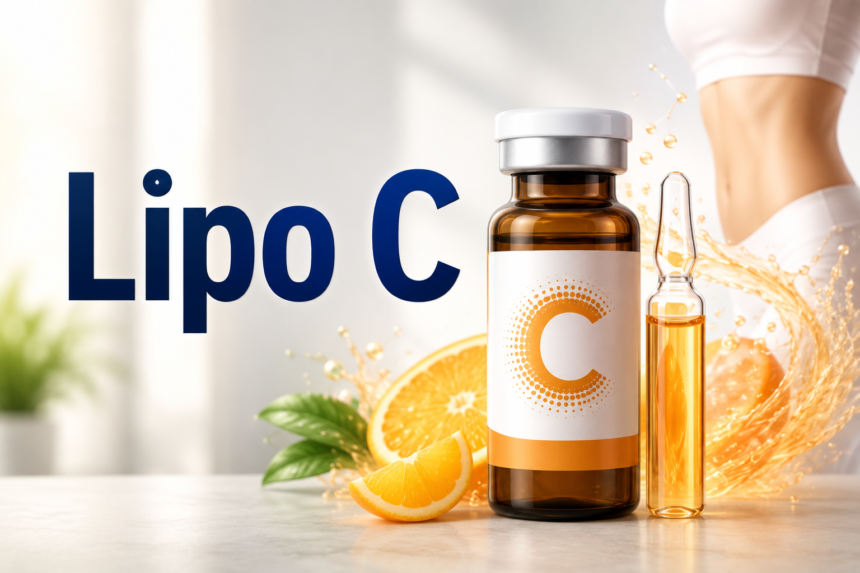
Lipo C is a popular wellness injection that combines lipotropic compounds with vitamin C, often marketed as a fat-metabolism booster and energy enhancer.
Many weight-loss clinics and med spas offer it as an add-on to diet and exercise plans, claiming it speeds up results. However, the actual science behind Lipo C is more limited than the marketing suggests, and understanding its real function matters before trying it.
This guide breaks down everything about Lipo C in simple language, from its ingredients to its risks, so you can make an informed decision rather than relying on clinic promises alone.
Introduction
Lipo C has become a common term in weight-loss and aesthetic clinics over the past decade, often bundled with other vitamin therapies. Before understanding whether it works, it helps to know where it came from and why people are drawn to it.
What is Lipo-C?
Lipo C refers to an injectable blend of lipotropic substances combined with vitamin C, typically given intramuscularly. The idea is that these compounds support the liver’s ability to process and remove fat from the body. It is not a standalone weight-loss drug but rather a supplement-style injection used alongside lifestyle changes.
Brief History and Origin of Lipotropic Injections
Lipotropic injections date back several decades, originally used in clinical settings to support liver health in patients with fatty liver concerns. Over time, wellness clinics adapted the formula, adding vitamin C and B12, and rebranded it as a weight-management tool. This shift moved the injection from a medical liver-support context into the commercial beauty and fitness industry.
Why Lipo-C Has Become Popular in Weight-Loss and Wellness Clinics?
Clinics market Lipo C as a quick, low-effort addition to weight-loss programs, appealing to people looking for extra support beyond diet and exercise. Social media testimonials and clinic advertising have amplified its popularity, even though independent research on its effectiveness remains limited. Its low cost per session compared to other treatments also makes it an easy upsell for clinics.
Who Typically Uses Lipo-C Injections?
People who use Lipo C are usually already following a calorie-controlled diet or exercise routine and are looking for something to complement their efforts. It also attracts individuals dealing with low energy or fatigue who hope the added vitamins will help them feel more active throughout the day.
Understanding the Core Ingredients
Lipo C is not a single compound but a mixture of nutrients, each added for a specific claimed purpose. Knowing what each ingredient does helps separate genuine nutritional value from marketing exaggeration.
What Are Lipotropics?
Lipotropics are substances believed to help the body break down fat during metabolism, primarily by supporting liver function. The term itself simply means “fat-mobilizing,” referring to compounds that assist in processing fat rather than directly burning it. They are not fat burners in the traditional stimulant sense.
Key Components of Lipo-C
The exact formula can vary between clinics, but most Lipo C injections share a similar base of nutrients. Below is a table summarizing the common components and their general purpose.
| Ingredient | Common Role |
| Methionine | Amino acid involved in fat and liver metabolism |
| Inositol | Supports cell function and fat transport |
| Choline | Aids liver detoxification and fat processing |
| Vitamin B12 | Supports energy production and red blood cells |
| Vitamin C | Antioxidant and immune support |
| Carnitine (optional) | Sometimes added for energy metabolism |
Methionine
Methionine is an essential amino acid that the body cannot produce on its own, so it must come from diet or supplementation. In Lipo C, it is included for its role in supporting liver detoxification pathways and fat breakdown.
Inositol
Inositol is a naturally occurring compound found in cell membranes that helps regulate fat and cholesterol transport within the body. It is often paired with choline since the two work together in similar metabolic pathways.
Choline
Choline supports the liver’s ability to move fat out of cells rather than letting it accumulate. A deficiency in choline is linked to fatty liver buildup, which is why it is a core part of most lipotropic formulas.
Vitamin B12
Vitamin B12 is included mainly for its role in energy production and nervous system support rather than direct fat loss. Many people report feeling more alert after B12 injections, which contributes to the perceived effectiveness of Lipo C.
Vitamin C
Vitamin C acts as an antioxidant and supports immune function, collagen production, and tissue repair. In Lipo C, it is added partly for general health benefits and partly to balance the formula with an accessible, well-known nutrient.
Other Common Additives
Some clinics add extra ingredients such as carnitine, additional B-vitamins, or amino acid blends to differentiate their formula. These additions vary widely and are not standardized across providers, so two “Lipo C” shots can differ significantly in content.
Role of Each Ingredient in the Body
Each ingredient in Lipo C plays a distinct biological role, but none of them independently causes fat loss on their own. Their combined function is best understood as supporting normal liver and metabolic processes rather than actively burning fat.
How Lipo-C Is Claimed to Work?
Clinics describe Lipo C as working by supporting the liver’s fat-processing ability while giving an energy boost from added vitamins. The following sections break down these specific claims one by one.
The Concept of “Fat Metabolism” Support
The central claim is that lipotropic compounds help the liver convert stored fat into usable energy more efficiently. This concept is rooted in basic biochemistry, but the injection alone does not create a calorie deficit, which remains the primary driver of fat loss.
Liver Function and Detoxification Claims
Providers often describe Lipo C as a “detox” injection that helps the liver clear out toxins and processed fat. While the ingredients do support normal liver enzyme activity, the term “detox” is largely a marketing phrase rather than a clinical outcome.
Energy and Metabolism Boost Claims
Many people report an energy lift shortly after receiving a Lipo C shot, which is commonly attributed to the B12 content. This energy boost is real for some individuals, but it reflects vitamin supplementation rather than a true metabolic rate increase.
Immune Support via Vitamin C
Vitamin C’s role in supporting the immune system is well documented, and this benefit is one of the more scientifically grounded aspects of Lipo C. However, this immune benefit is unrelated to weight loss and should be viewed as a separate advantage.
What the Marketing Says vs What Science Shows
Marketing materials frequently imply that Lipo C actively melts fat, while actual research only supports its role in general metabolic and liver function. Understanding this gap in the next table helps set realistic expectations before starting treatment.
| Marketing Claim | What Research Actually Supports |
| “Burns fat directly” | No direct fat-burning evidence |
| “Detoxifies the liver” | Supports normal liver enzyme function only |
| “Boosts metabolism significantly” | Minor energy support from B12 |
| “Guaranteed weight loss” | No guaranteed outcome without diet/exercise |
Potential Benefits (As Claimed by Providers)
Clinics list several potential benefits of Lipo C, ranging from weight management support to improved mood. It is important to view these as supportive effects rather than primary treatments.
Weight Loss Support
Lipo C is positioned as a complement to weight-loss efforts, not a replacement for diet and exercise. Any weight change experienced by users is more likely tied to their overall lifestyle changes than the injection itself.
Increased Energy Levels
The B12 component is the main reason users report feeling more energetic after treatment. This effect can make workouts and daily activity feel easier, indirectly supporting weight-management goals.
Improved Mood and Mental Clarity
Some users describe feeling mentally sharper or more positive after Lipo C sessions, which may be linked to B-vitamin support for nervous system function. This effect is subjective and varies significantly from person to person.
Enhanced Immune Function
Thanks to its vitamin C content, Lipo C may offer a mild boost to immune defense, similar to taking a vitamin C supplement. This benefit is more consistent and better supported than the fat-loss claims.
Skin, Hair, and Antioxidant Benefits
Vitamin C’s antioxidant properties are sometimes linked to skin health benefits, including collagen support. These effects are generally modest and should not be the primary reason for choosing Lipo C.
Scientific Evidence and Research
Scientific backing for Lipo C as a weight-loss treatment is limited, with most support coming from clinic testimonials rather than controlled studies. This section looks at what research actually says.
What Clinical Studies Actually Show
Existing studies on lipotropic compounds mostly focus on liver health markers rather than direct fat loss outcomes. There is no strong clinical trial specifically proving that Lipo C injections cause measurable weight reduction on their own.
Limitations of Current Research
Much of the available research is small-scale, outdated, or funded by supplement manufacturers, which limits its reliability. Larger, independent studies on the specific Lipo C combination are still lacking.
Comparison with Diet and Exercise-Based Weight Loss
Diet and exercise remain the most evidence-backed methods for sustainable weight loss, with decades of research supporting their effectiveness. Lipo C, by comparison, has a much thinner evidence base and should be viewed as optional support at best.
Expert and Medical Community Opinions
Many healthcare professionals view Lipo C as generally safe but not a proven weight-loss solution. Experts commonly advise treating it as a minor supplement rather than a core part of any weight-management strategy.
How Lipo-C Injections Are Administered?
The way Lipo C is given can affect both comfort and results, and clinics typically follow a standard process for administration. Understanding this process helps set expectations for anyone considering treatment.
Injection Types (Intramuscular vs Subcutaneous)
Lipo C is most commonly given as an intramuscular injection, usually in the thigh, hip, or upper arm. Some clinics offer subcutaneous options, though intramuscular delivery is generally preferred for faster absorption.
Typical Dosage and Frequency
Most clinics recommend weekly injections, though frequency can range from once a week to twice a month depending on the provider’s protocol. Dosage amounts vary by clinic, since there is no universally standardized formula.
Where Treatments Are Given (Clinics, Med Spas, At-Home Kits)
Lipo C is available at medical weight-loss clinics, aesthetic med spas, and increasingly through at-home injection kits ordered online. Choosing a licensed provider is important regardless of the setting to ensure safe administration.
Cost Range and Package Options
Prices for a single Lipo C shot typically range from affordable to moderately priced, with many clinics offering discounted packages for multiple sessions. Costs vary widely based on location, clinic reputation, and formula ingredients.
Who Should Consider (or Avoid) Lipo-C
Not everyone is a suitable candidate for Lipo C, and understanding who benefits versus who should stay away is an important safety step.
Ideal Candidates
Generally healthy adults who are already following a structured diet and exercise plan and want mild additional support may be reasonable candidates. It is best suited for those seeking a minor boost rather than a primary weight-loss method.
Who Should Avoid These Injections
Individuals with liver or kidney conditions, pregnant or breastfeeding women, and those with known allergies to any of the ingredients should avoid Lipo C. People taking certain medications should also check for interactions before starting.
Importance of Medical Consultation Before Starting
Consulting a doctor before beginning any injection therapy, including Lipo C, helps identify potential risks specific to individual health history. This step is often skipped at commercial clinics but remains an important safety measure.
Side Effects and Risks
Like any injectable treatment, Lipo C carries some risk of side effects, ranging from mild to rare but serious reactions.
Common Mild Side Effects
The most frequently reported side effects include mild soreness, nausea, or a metallic taste shortly after injection. These effects are usually temporary and resolve within a short period.
Rare but Serious Risks
In rare cases, allergic reactions, infection at the injection site, or more significant adverse effects can occur, especially with improperly administered shots. Choosing a qualified provider significantly reduces these risks.
Injection Site Reactions
Redness, swelling, or bruising at the injection site is relatively common and generally not a cause for concern. Applying a cold compress and avoiding repeated injections in the same spot can help minimize this.
Interactions with Medications or Health Conditions
Certain medications, particularly those affecting the liver or blood clotting, may interact with lipotropic compounds. Disclosing full medical history to the provider before treatment helps prevent unwanted interactions.
Lipo-C vs Other Weight-Loss Methods
Comparing Lipo C to other common weight-management approaches helps clarify where it realistically fits.
Lipo-C vs Diet and Exercise
Diet and exercise directly address calorie balance and are backed by extensive research, while Lipo C only offers indirect, supportive effects. Relying solely on Lipo C without lifestyle changes is unlikely to produce meaningful results.
Lipo-C vs Prescription Weight-Loss Medications
Prescription weight-loss medications go through rigorous clinical trials and have measurable, documented effects on weight, unlike Lipo C. Medications are typically prescribed for more significant weight-loss needs under medical supervision.
Lipo-C vs Other Vitamin Injections (B12 Shots, MIC Injections)
Compared to standalone B12 shots or MIC injections, Lipo C simply adds vitamin C to a similar lipotropic base. The core mechanism and expected benefits remain largely the same across these options.
Choosing a Safe and Reputable Provider
Selecting the right clinic matters as much as the treatment itself, since safety largely depends on proper administration.
Questions to Ask Before Treatment
Before starting, it helps to ask about the exact ingredient dosages, the provider’s licensing, and how the injection is prepared and stored. A reputable clinic will answer these questions clearly without hesitation.
Red Flags to Watch For
Warning signs include unusually low prices, lack of medical staff on-site, no willingness to disclose ingredients, or guarantees of dramatic weight loss. Avoiding clinics that show these signs reduces the risk of poor-quality treatment.
Certifications and Licensing to Look For
Providers should have relevant medical licensing and proper certification for administering injections. Checking online reviews and verifying credentials beforehand adds an extra layer of safety.
Frequently Asked Questions (FAQ)
Does Lipo C really help you lose weight? Lipo C on its own does not cause significant weight loss; it works best as a minor support alongside diet and exercise.
How long do results take? Any noticeable effects, mainly energy-related, are usually felt within a few days, while weight changes depend more on lifestyle habits than the injection.
Is it safe for long-term use? Generally considered low-risk for healthy adults, but long-term use should still be discussed with a doctor to monitor liver and overall health.
Can it be combined with other treatments? Yes, Lipo C is often combined with other wellness treatments, though combinations should be reviewed by a medical professional first.
Conclusion
Lipo C is a lipotropic and vitamin C injection commonly marketed for weight-loss support, energy, and mild immune benefits. While its ingredients play real roles in liver and metabolic function, current evidence does not support it as a standalone fat-loss solution.
It works best as a small supportive addition to an already healthy diet and exercise routine, rather than a primary treatment. Anyone considering Lipo C should consult a licensed medical provider, verify the clinic’s credentials, and keep realistic expectations about what the injection can and cannot do.
RELATED ARTICLES
BodyTite: The Complete Guide to This Skin-Tightening Treatment
Herbst Appliance: What It Is, How It Works & What to Expect
SNAP-8 Peptide: Complete Guide to This Anti-Aging Ingredient
How Long Does Invisalign Take? Full Treatment Timeline Guide