


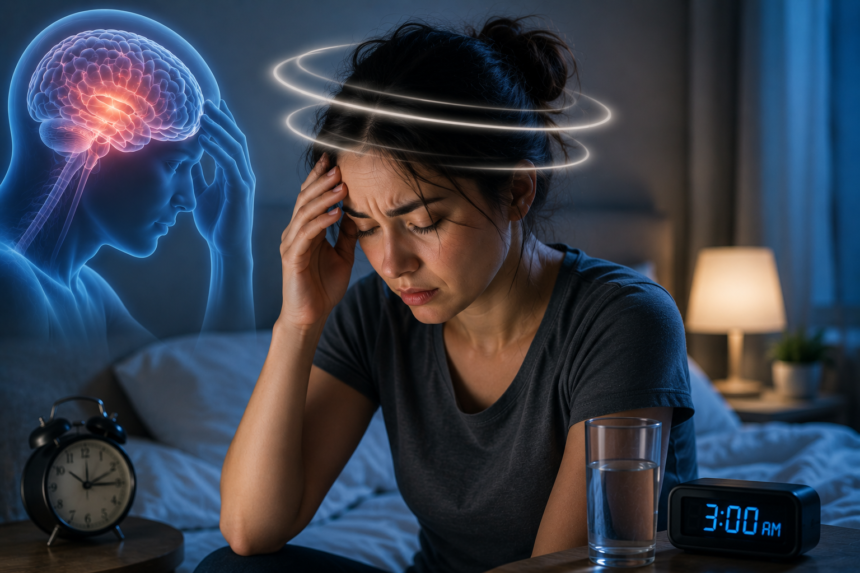
Waking up groggy after a poor night’s rest is common, but when that grogginess turns into an actual spinning or off-balance feeling, it naturally raises concern. Many people search for answers to the question, can lack of sleep cause dizziness, especially after a stressful week or a stretch of late nights.
The short answer is yes, sleep deprivation is a well-documented trigger for dizziness, lightheadedness, and even brief episodes of imbalance. Your brain and inner ear rely on consistent rest to regulate blood flow, blood sugar, and the vestibular signals that keep you steady on your feet.
When sleep is cut short night after night, these systems begin to misfire, and dizziness is often one of the first noticeable symptoms. This article breaks down exactly why this happens, how to tell it apart from other causes, and what you can do to feel steady again.
Can Lack of Sleep Really Cause Dizziness?
Yes, lack of sleep can cause dizziness, and it is more common than most people realize. When the body does not get enough restorative rest, the nervous system struggles to regulate balance, blood pressure, and blood sugar levels, all of which play a direct role in how steady you feel throughout the day.
This dizziness usually shows up as lightheadedness or a brief sense of the room tilting rather than constant severe spinning, and it typically eases once normal sleep patterns are restored.
How Sleep Deprivation Triggers Dizziness
Dizziness after poor sleep is not random; it happens because several body systems depend on sleep to function correctly. Below is a closer look at the four main ways sleep loss disrupts your balance and leaves you feeling unsteady.
Effects on the Vestibular (Inner Ear) System
The inner ear’s vestibular system sends signals to your brain about your body’s position in space, and it relies heavily on proper rest to process these signals accurately. Sleep deprivation slows down this communication, which can make you feel briefly off-balance when standing up or turning your head. Over time, chronic sleep loss can make the vestibular system more sensitive, increasing the frequency of these dizzy spells.
Blood Sugar and Blood Pressure Fluctuations
Poor sleep disrupts the hormones that regulate blood sugar, often causing it to dip lower than normal during the day. At the same time, sleep loss can cause blood pressure to fluctuate more than usual, particularly when moving from sitting to standing. Both of these changes reduce steady blood flow to the brain, which is a common trigger for sudden lightheadedness.
Reduced Oxygen Flow to the Brain
Sleep is when the body restores oxygen efficiency and repairs blood vessels that supply the brain. Without enough rest, oxygen delivery to the brain becomes less consistent, and this shortage can produce a foggy, unsteady sensation. This is one reason dizziness often appears alongside difficulty concentrating after a poor night’s sleep.
Dehydration and Sleep Loss
Sleep deprivation often goes hand in hand with dehydration, since tired people are less likely to notice or respond to thirst cues. Dehydration thickens the blood slightly and lowers blood volume, both of which make it harder for the body to maintain steady circulation. This combination of tiredness and low fluid levels frequently intensifies feelings of dizziness.
Common Symptoms That Accompany Sleep-Deprivation Dizziness
Dizziness caused by lack of sleep rarely appears on its own. It is usually paired with other signs of exhaustion such as blurred vision, difficulty focusing, irritability, and a heavy or foggy feeling in the head. Recognizing the difference between everyday lightheadedness, dizziness, and true vertigo can help you understand what your body is experiencing and whether it fits the pattern of sleep-related symptoms.
| Term | Sensation | Common Trigger |
| Lightheadedness | Feeling faint or about to pass out | Low blood sugar, dehydration, standing up too fast |
| Dizziness | General unsteadiness or wooziness | Sleep deprivation, fatigue, low blood pressure |
| Vertigo | A false sense of spinning or motion | Inner ear disorders, severe sleep loss, migraines |
Who Is Most at Risk?
While anyone can experience dizziness after a rough night, certain groups face this issue more frequently because their sleep patterns are chronically disrupted. Understanding these risk groups makes it easier to spot the connection between poor rest and recurring balance issues.
Chronic Insomnia Sufferers
People with long-term insomnia rarely reach the deep sleep stages needed for the body to fully recover. This ongoing sleep debt keeps the nervous system in a constant state of mild stress, making dizziness and lightheadedness a frequent daytime complaint. The longer insomnia continues untreated, the more noticeable these balance issues tend to become.
Shift Workers
Rotating or overnight shift schedules interfere directly with the body’s natural circadian rhythm, which controls when you feel alert versus tired. This constant disruption prevents consistent, high-quality sleep even when total hours in bed seem sufficient. As a result, shift workers frequently report dizziness, especially during long stretches of night shifts.
People with Anxiety or Stress Disorders
Anxiety keeps the body’s stress response activated, which makes it harder to fall into deep, restorative sleep even after several hours in bed. This shallow sleep pattern often leads to next-day dizziness, muscle tension, and a racing heartbeat. Because anxiety and poor sleep tend to fuel each other, the dizziness can become a recurring cycle without intervention.
Older Adults
Aging naturally reduces the amount of deep sleep the body achieves each night, even without an underlying sleep disorder. Combined with slower blood pressure regulation, this makes older adults more prone to dizziness after nights of poor or interrupted rest. Because falls are a serious risk in this age group, sleep-related dizziness deserves closer attention as people get older.
Sleep Deprivation vs. Other Causes of Dizziness
Not every episode of dizziness is caused by missed sleep, so it helps to rule out other common explanations before assuming exhaustion is the culprit. Conditions such as anemia, inner ear infections, low blood pressure disorders, and certain medications can all produce very similar sensations. If dizziness continues even after a full week of consistent, quality sleep, it is worth considering these other possibilities rather than continuing to attribute the symptom to tiredness alone.
| Quick NoteIf dizziness is accompanied by ringing in the ears, hearing changes, or occurs in sudden severe spinning episodes, an inner ear condition rather than sleep loss may be the more likely cause. |
How Long Does Sleep-Related Dizziness Last?
In most cases, dizziness caused by a single poor night’s sleep fades within a few hours once the body catches up on rest and rehydrates.
When sleep deprivation has been ongoing for several days or weeks, however, the dizziness may take a night or two of consistent quality sleep before it fully resolves.
If symptoms persist beyond a week despite improved sleep habits, it is a signal that another factor may be contributing and a medical check-up is a reasonable next step.
When to See a Doctor
Occasional lightheadedness after a late night is usually harmless and resolves on its own, but certain warning signs mean the dizziness should not be brushed off. Seeking prompt medical attention is important when dizziness is severe, sudden, or paired with other concerning symptoms, since these combinations can point to a more serious underlying issue rather than simple sleep loss.
| Seek Urgent Care If Dizziness IncludesChest pain or pressure, slurred speech, sudden severe headache, fainting or loss of consciousness, numbness on one side of the body, or dizziness following a head injury. These symptoms require immediate medical evaluation rather than home management. |
How to Prevent and Manage Sleep-Deprivation Dizziness
The good news is that sleep-related dizziness is largely preventable once the underlying habits are addressed. The following areas are the most effective places to start making changes.
Improving Sleep Hygiene
Keeping a consistent sleep and wake time, even on weekends, helps the body’s internal clock regulate itself more effectively. A cool, dark, and quiet bedroom environment supports deeper sleep stages, which reduces the likelihood of morning dizziness. Limiting screen exposure in the hour before bed also allows natural melatonin production to occur without interference.
Hydration and Nutrition Tips
Drinking enough water throughout the day supports stable blood volume and reduces one of the key contributors to dizziness. Eating balanced meals with steady sources of protein and complex carbohydrates helps prevent the blood sugar dips that often accompany sleep deprivation. Reducing caffeine and alcohol in the evening also improves sleep quality and lowers the chance of waking up feeling unsteady.
Managing Stress Before Bed
High stress levels before bedtime keep the nervous system alert, making it harder to fall into the deep sleep stages the body needs to recover. Simple wind-down routines such as slow breathing, light stretching, or reading can signal to the body that it is time to rest. Reducing stress before bed not only improves sleep quality but also lowers the chance of waking up dizzy or lightheaded.
When Supplements or Medical Support May Help
For some people, lifestyle changes alone are not enough, particularly when an underlying sleep disorder is present. In these cases, a doctor may recommend short-term sleep aids, magnesium or iron level testing, or a referral to a sleep specialist for further evaluation. Below is a general comparison of common support options people consider when lifestyle changes alone are not resolving the issue.
| Option | Best For | Note |
| Magnesium supplementation | People with muscle tension or restless sleep | Discuss dosage with a doctor first |
| Iron level testing | Those with fatigue and paleness alongside dizziness | Low iron can independently cause dizziness |
| Sleep specialist referral | Chronic insomnia or suspected sleep apnea | Recommended if symptoms persist beyond a few weeks |
| Short-term sleep aids | Occasional severe sleep disruption | Should be used only under medical guidance |
Frequently Asked Questions
Can lack of sleep cause vertigo?
Yes, severe or prolonged sleep deprivation can trigger vertigo-like spinning sensations in some people, particularly those already prone to inner ear sensitivity.
Is dizziness from lack of sleep dangerous?
In most cases it is not dangerous and resolves with rest, but it can become risky if it leads to a fall or occurs while driving or operating machinery.
How much sleep prevents dizziness?
Most adults need seven to nine hours of consistent, quality sleep per night to keep blood pressure, blood sugar, and the vestibular system properly regulated.
Can one bad night of sleep cause dizziness?
Yes, even a single night of poor sleep can cause temporary dizziness, though it is usually mild and clears up once you rest, hydrate, and eat normally.
Conclusion
So, can lack of sleep cause dizziness? The evidence clearly says yes, through disrupted blood pressure, unstable blood sugar, reduced oxygen delivery, and a less responsive vestibular system. For most people, this dizziness is temporary and improves quickly once healthy sleep habits are restored.
Paying attention to hydration, stress levels, and a consistent sleep schedule goes a long way in preventing these episodes. If dizziness continues despite better sleep, it is worth ruling out other causes with a doctor rather than assuming tiredness is always to blame.
Related Articles
Behavioral Health Billing: Complete Guide to Process, Coding, Claims, and Compliance
Why Do My Feet Hurt So Bad? 7 Causes and How to Get Relief
Symptoms of Gastric Vertigo: Causes, Signs & When to See a Doctor
How to Get Rid of a Headache Fast: Proven Relief Methods That Work


