


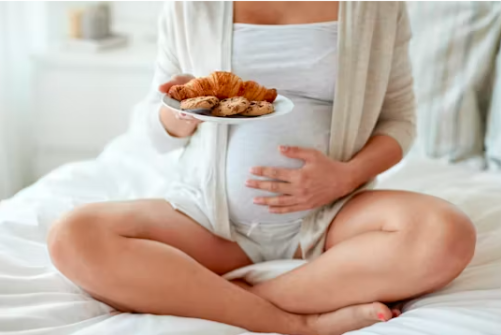
Pregnancy brings a wave of physical and emotional changes, and one of the most talked-about experiences is food cravings. Many pregnant women notice a shift in their taste preferences early on — sometimes craving foods they never enjoyed before or suddenly disliking their usual favorites.
These cravings are not random. They are closely tied to the hormonal shifts your body undergoes during pregnancy — particularly rising levels of estrogen and progesterone. In most cases, pregnancy cravings begin in the first trimester, often as early as Week 5.
As pregnancy progresses into the second trimester, cravings typically intensify and become more frequent. Understanding when they start, why they occur, and how to manage them can make this experience far more comfortable.
Are Cravings a Sign of Pregnancy?
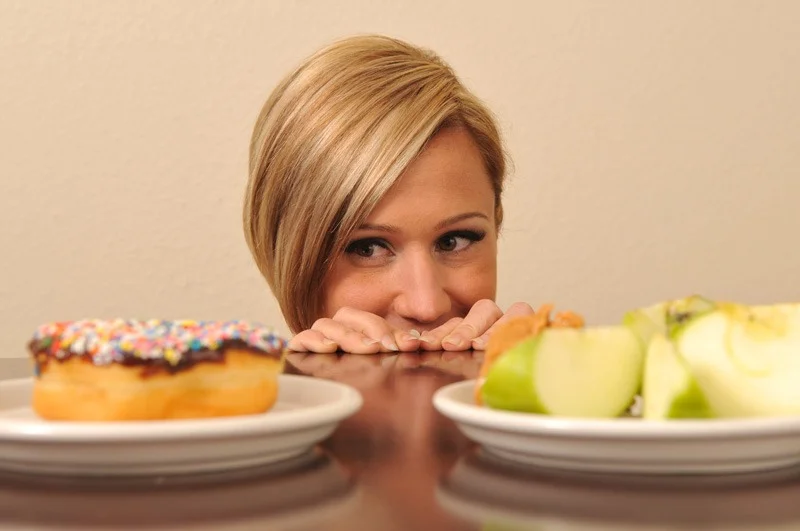
Yes, food cravings can be one of the earliest signs of pregnancy — but they are not a definitive indicator on their own. Many women notice a sudden desire for specific foods, or strong aversions to previously loved ones, due to rapid hormonal changes in early pregnancy.
Cravings often appear alongside other early pregnancy symptoms such as fatigue, mood swings, nausea, or heightened sensitivity to smells.
Because cravings can also occur outside of pregnancy — due to stress, diet changes, or emotional factors — they should be considered part of a broader symptom pattern, not a standalone confirmation. A home pregnancy test remains the most reliable early indicator.
Can Cravings Start in the First Weeks?
Yes, cravings can begin surprisingly early in pregnancy, sometimes even before you fully realize you’re expecting. In the first few weeks, hormonal shifts—especially rising levels of estrogen and progesterone—can quickly affect your senses of taste and smell.
This may lead to sudden urges for certain foods or strong dislikes for others. Early cravings are often mild but noticeable, and they can vary widely from person to person. For some women, these changes are one of the earliest subtle signs of pregnancy.
Pregnancy Cravings Timeline (Week-by-Week)
| Pregnancy Stage | Weeks | What Happens with Cravings |
| Early First Trimester | Weeks 1–4 | Cravings are usually minimal or not noticeable yet as the body is just beginning to adjust hormonally. |
| Mid First Trimester | Around Week 5 | Pregnancy cravings typically begin. You may suddenly desire specific foods or notice changes in taste and smell. |
| Late First Trimester | Weeks 6–12 | Cravings become more noticeable and frequent, often alongside morning sickness and food aversions. |
| Second Trimester | Weeks 13–27 | Cravings peak during this stage. Appetite improves, and strong, specific food desires become more common. |
| Early Third Trimester | Weeks 28–34 | Cravings may continue but often start to stabilize or shift toward more comforting, familiar foods. |
| Late Third Trimester | Weeks 35–40 | Cravings often lessen in intensity, with a preference for comfort foods as the body prepares for labor. |
Why Do Pregnancy Cravings Happen?
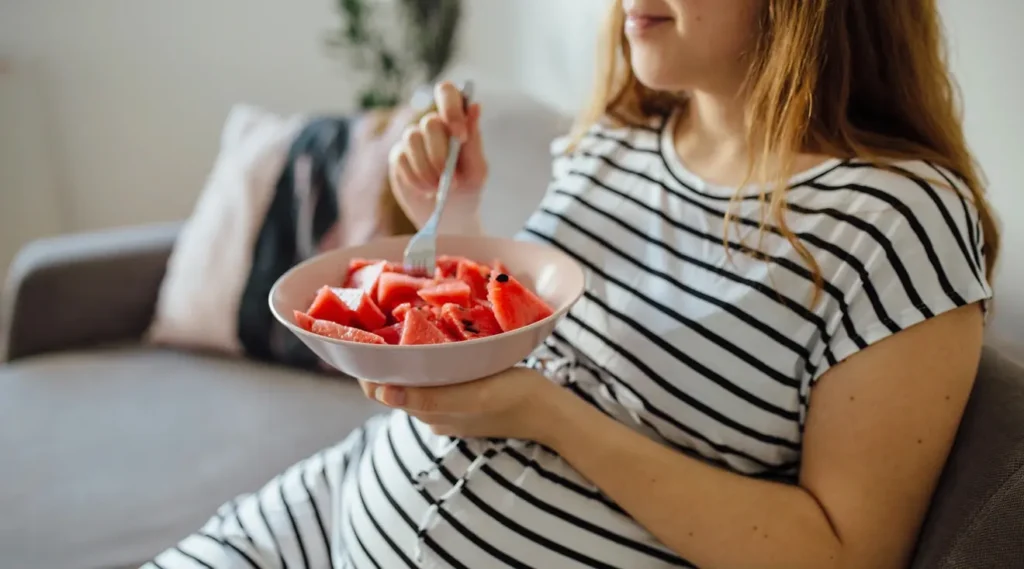
The exact cause of pregnancy cravings is not fully understood by researchers. However, leading experts believe several interconnected biological and psychological factors trigger them.
According to the American College of Obstetricians and Gynecologists (ACOG), hormonal changes are the primary driver.
These cravings can vary from mild preferences to intense urges, and they often change throughout pregnancy. Below are the key reasons that may explain why they happen:
Hormonal Changes
During pregnancy, estrogen and progesterone levels rise dramatically. These hormonal surges directly affect your senses of taste and smell — making certain foods far more appealing and causing others to become suddenly intolerable.
This explains why you may crave foods you previously disliked, or develop strong aversions to foods you once enjoyed.
Nutritional Needs
Your body works significantly harder during pregnancy to support fetal development, increasing its demand for key nutrients. Some researchers suggest cravings may be the body’s way of signaling deficiencies in iron, calcium, or protein.
While this theory is not universally proven, a 2014 study published in Frontiers in Psychology found associations between specific nutrient needs and food cravings during pregnancy.
Emotional Factors
Pregnancy naturally brings emotional highs and lows — including heightened stress, fatigue, and mood fluctuations. Because food is deeply linked to comfort and emotional well-being, cravings for familiar or nostalgic foods during pregnancy often reflect a psychological need for reassurance rather than a physical nutritional demand.
Cultural Influences
Cultural background and food environment also significantly shape cravings. Women who regularly consume spicy, sweet, or tangy foods in their daily diet are more likely to crave those same flavors during pregnancy.
A 2019 cross-cultural study found that food cravings during pregnancy strongly reflected each culture’s typical dietary patterns, suggesting cultural conditioning plays as large a role as biology.
Together, these factors help explain why pregnancy cravings feel so real and sometimes unpredictable.
Common Pregnancy Cravings
Pregnancy cravings vary widely from woman to woman, but certain foods are consistently reported across studies and clinical observations. These patterns are driven by shifts in taste perception, smell sensitivity, and nutritional demands. Here are some of the most common ones explained:
- Sweets (Chocolate, Candy)
Many women develop a strong desire for sugary foods. This may be linked to the body’s need for quick energy or simply the comforting and mood-boosting effect of sweet treats. - Dairy (Ice Cream, Cheese)
Dairy cravings are very common, possibly because the body needs more calcium for the baby’s bone development. Ice cream, in particular, combines sweetness and creaminess, making it especially appealing. - Savory Carbs (Pizza, Chips)
Salty and carb-rich foods like pizza or chips are often craved due to increased energy demands. These foods are also satisfying and easy to eat, especially when appetite fluctuates. - Spicy Foods
Some women suddenly crave spicy meals even if they didn’t enjoy them before. This may be due to heightened taste sensitivity or cultural eating habits. - Fruits
Fresh fruits are a healthy and refreshing craving. They provide natural sugars, hydration, and essential vitamins, which the body may need more of during pregnancy. - Pickles
Pickles are one of the most well-known pregnancy cravings. Their salty and tangy flavor can be especially appealing, possibly due to changes in electrolyte balance or taste preferences.
When Do Cravings Stop?

Pregnancy Food cravings typically begin to taper off during the third trimester as hormone levels gradually stabilize. By this stage, the body has largely adapted to the elevated estrogen and progesterone that drove early cravings.
While some women may still experience occasional cravings, they are often less intense and more manageable compared to the earlier stages of pregnancy. At this point, appetite patterns tend to stabilize, and the strong, sudden urges for specific foods may become less frequent.
For many women, cravings disappear completely after childbirth. Once hormone levels start returning to normal, the unusual food preferences often fade away quickly. However, the exact timing can vary from person to person, and some may notice a gradual decline rather than an immediate stop.
Is It Safe to Give In to Cravings?
Satisfying pregnancy cravings is generally safe — and can even support emotional well-being — provided it is done in moderation and within a balanced diet. Most healthcare providers agree that occasional indulgence poses no risk to mother or baby.
Cravings can sometimes reflect your body’s changing needs or simply provide emotional comfort during a time of major physical changes. Enjoying a desired food in moderation can help you feel satisfied and prevent feelings of restriction, which might otherwise lead to overeating later.
However, it’s important to stay mindful of overall nutrition and not rely too heavily on less healthy options. Try to balance indulgent cravings with nutrient-rich foods that support both your health and your baby’s development.
If a craving involves non-food items or unhealthy patterns, it’s best to consult a healthcare professional. Overall, moderation and variety are key to keeping cravings both safe and enjoyable.
When to See a Doctor?
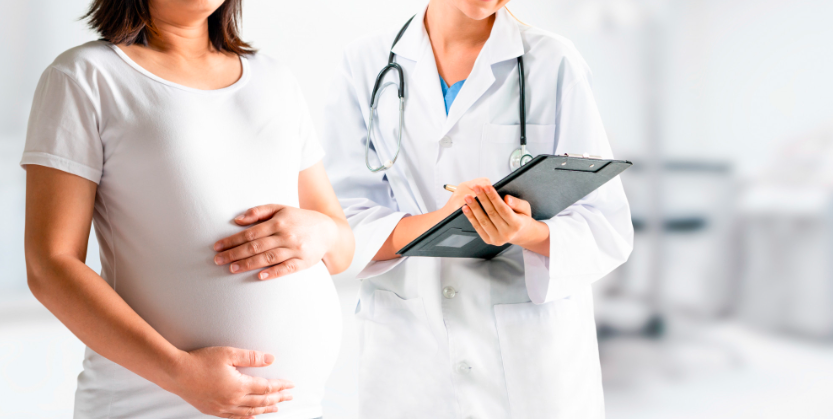
While most pregnancy cravings are normal, there are times when it’s important to seek guidance from a professional. If your cravings start to interfere with your ability to maintain a balanced and nutritious diet, it may be helpful to consult a nutritionist.
They can guide you toward healthier alternatives, suggest proper portion sizes, and help you create a meal plan that supports both you and your baby’s needs.
You should also consult your doctor immediately if you develop cravings for non-food items such as ice, dirt, clay, paper, or chalk. This condition — known as pica — is associated with iron deficiency anemia and other nutritional deficiencies in pregnant women, according to the Mayo Clinic.
Early diagnosis is important for both maternal and fetal health. In such cases, speaking with a doctor is essential to ensure proper diagnosis and treatment, as well as to protect your overall health during pregnancy.
Frequently Asked Questions
Do all pregnant women experience food cravings?
No, not all pregnant women experience cravings. Some may notice changes in appetite or food preferences, while others feel no difference at all. Every pregnancy is unique, so the absence of cravings is completely normal.
Is it normal to crave unusual food combinations during pregnancy?
Yes, it’s quite common to crave unusual food pairings during pregnancy. Hormonal changes can alter taste and smell, making unexpected combinations seem appealing. As long as the foods are safe to eat, this is generally nothing to worry about.
Are cravings different when pregnant with a boy or girl?
No, cravings are not scientifically linked to the baby’s gender. While myths suggest otherwise, there is no evidence that food preferences can predict whether you’re having a boy or a girl. Cravings are mainly influenced by hormonal and personal factors.
How can I manage pregnancy cravings in a healthy way?
You can manage cravings by eating small, balanced meals throughout the day to keep blood sugar stable. Try healthier substitutes like fruits, yogurt, or nuts instead of highly processed foods. Staying hydrated and planning meals can also help reduce sudden cravings.
When should I be concerned about pregnancy cravings?
You should be concerned if you start craving non-food items like dirt, ice, soap, or clay. This condition, known as pica, may be linked to nutrient deficiencies such as low iron levels. In such cases, it’s important to consult a healthcare professional.
Conclusion
Pregnancy cravings are a completely normal part of the pregnancy journey — typically beginning around Week 5, peaking during the second trimester, and gradually easing in the third.
While not fully understood by science, they are primarily driven by hormonal changes, shifting nutritional needs, and emotional factors. While the exact cause isn’t fully known, factors like hormonal changes, nutritional needs, and emotions all play a role.
It’s important to remember that experiencing cravings—or not experiencing them at all—is completely normal. Every pregnancy is different, and there’s no single “right” way your body should respond.
The key is to listen to your body while maintaining healthy habits. Enjoy your cravings in moderation, focus on balanced nutrition, and seek guidance if something feels unusual or overwhelming.
Related Articles
How Long Does Cataract Surgery Take? Complete Timeline & Recovery Guide
Contributory Health Service Scheme: Benefits, Eligibility, Registration and Healthcare Coverage
Does Wearing a Hat Cause Hair Loss? Here’s What Dermatologists Actually Say
Can Vaping Cause Acne? Understanding the Connection Between Vaping and Breakouts
Dental Bone Graft Specialist: Procedure, Recovery, & Risks Guide


