


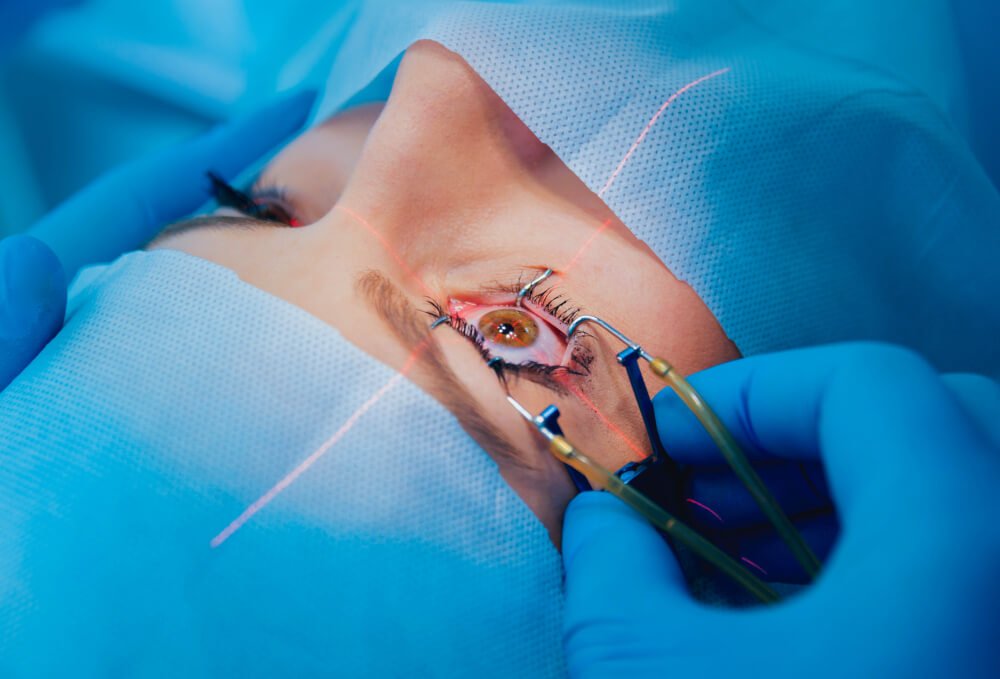
If you’re scheduled for cataract surgery—or helping a loved one prepare—you probably want to know exactly what to expect. The good news: it’s one of the safest, most frequently performed procedures in modern medicine, and it’s surprisingly quick.
The surgery itself takes just 10–20 minutes per eye. But your total time at the surgical center will be around 2–3 hours, including pre-operative preparation, anesthesia setup, and post-operative monitoring. Most patients go home the same day and return to normal activities within a week.
In this guide, you’ll get a step-by-step breakdown of the procedure, a realistic recovery timeline, answers to common questions (including whether both eyes can be done at once and when you can drive again), and clear warning signs to watch for.
What Is Cataract Surgery?

A cataract forms when the eye’s natural lens—normally clear—becomes cloudy, causing blurry, dim, or yellowish vision. Cataract surgery corrects this by removing the clouded lens and replacing it with a clear artificial lens called an intraocular lens (IOL).
The procedure is performed under local anesthesia—you remain awake, but numbing eye drops or a small injection ensure you feel no pain. Many patients report only a mild sense of pressure or movement, not discomfort.
The most widely used technique is phacoemulsification: a tiny ultrasonic probe breaks the clouded lens into fragments, which are gently suctioned out. The incision is typically under 3mm and requires no stitches. Because of its precision and speed, cataract surgery is recommended as soon as cataracts begin interfering with daily activities like driving, reading, or recognizing faces.
Cataract Surgery Time Breakdown (Step-by-Step)
The surgery itself is 10–20 minutes per eye. Your total visit—from check-in to discharge—is typically 2–3 hours. Here’s exactly what happens at each stage:
Pre-Operative Preparation (45–60 Minutes)
Upon arrival, staff will administer dilating eye drops, take final measurements, review your medications, and set up anesthesia. You’ll also be asked about any allergies or recent changes to your health.
The Surgical Procedure (10–20 Minutes)
The surgeon makes a small incision, uses phacoemulsification to break up and remove the cloudy lens, and implants your chosen IOL. Most patients are surprised by how fast it goes.
Post-Operative Monitoring (30–60 Minutes)
You’ll rest in a recovery area while staff confirm there are no immediate complications. You’ll receive your eye drops prescription and aftercare instructions before discharge. You cannot drive yourself home—arrange a ride in advance.
How Long Does It Take to Recover from Cataract Surgery?
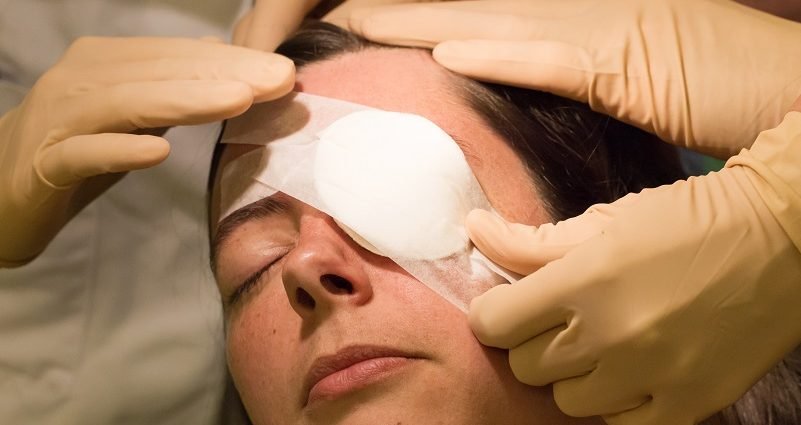
Most patients see a noticeable improvement in vision within 24 hours. Full recovery—where the eye is completely stable and adapted to the new lens—typically takes 4 weeks.
Days 1–3
Vision improves noticeably, though you may notice blurriness, mild sensitivity to light, or a gritty feeling in the eye. Use prescribed drops exactly as instructed. Rest and avoid screens for extended periods.
Days 4–7
Most irritation subsides. Vision continues to stabilize. You may return to light activities like reading or short walks. Avoid heavy lifting, bending, or strenuous exercise.
Weeks 2–4
Vision becomes clearer and more consistent. Most patients are cleared to drive and resume normal routines by the end of week 2, pending their follow-up appointment. Full stability is reached by week 4.
How Long Is Vision Blurry After Cataract Surgery?
Blurriness immediately after surgery is completely normal and temporary. Your eye is adjusting to the new intraocular lens (IOL), and mild swelling in the cornea can temporarily affect clarity.
For most patients, blurriness clears significantly within 24–72 hours. Some patients with denser cataracts or certain IOL types (such as multifocal lenses) may experience fluctuating vision for up to 1–2 weeks as the brain adapts.
Factors That Affect Cataract Surgery Duration
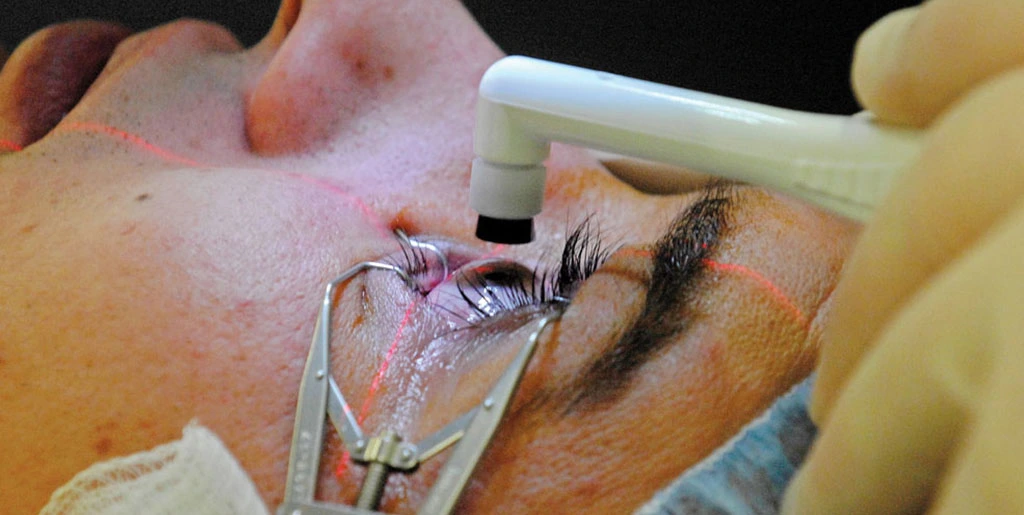
While 10–20 minutes is the standard range, your surgery may be slightly shorter or longer depending on these factors:
Cataract Density
Denser, more advanced cataracts require more ultrasound energy during phacoemulsification to break them up, which can add 5–10 minutes to the procedure. This is more common in patients who delayed treatment.
Pupil Dilation
Adequate pupil dilation gives the surgeon clear access to the lens. If your pupil doesn’t dilate sufficiently—due to certain medications (like tamsulosin/Flomax) or prior eye conditions—special pupil expansion rings may be used, adding a few minutes to the procedure.
Surgeon Experience
An experienced cataract surgeon typically completes the procedure efficiently and with consistent outcomes. When choosing a surgeon, ask how many cataract surgeries they perform per year—high-volume surgeons (500+ per year) generally have superior safety records.
Existing Eye Conditions
Pre-existing conditions such as glaucoma, diabetic retinopathy, macular degeneration, or a history of LASIK may add complexity to the procedure. In some cases, the surgeon may address glaucoma simultaneously using a minimally invasive glaucoma surgery (MIGS) technique.
Is Cataract Surgery Painful?
The short answer: no. Cataract surgery is not painful for the vast majority of patients. Your eye is thoroughly numbed before the procedure begins, either with topical anesthetic drops or a small injection around the eye.
Instead of pain, most patients describe a mild sensation of pressure, warmth, or movement. You may see bright lights during the procedure—this is normal and expected. If at any point you feel significant discomfort, you can alert the surgical team immediately.
How Safe Is Cataract Surgery?

Cataract surgery has one of the highest success rates of any surgical procedure. Studies published in peer-reviewed journals consistently report over 95% of patients achieve improved vision—with serious complication rates below 1% when performed by a qualified surgeon.
High Success Rate
More than 95% of patients experience a meaningful improvement in vision following cataract surgery. For most, the results are life-changing—restoring the ability to drive, read, and recognize faces clearly.
Advanced Technology
Modern phacoemulsification equipment, femtosecond laser assistance, and advanced IOL designs (including multifocal, toric, and extended depth-of-focus lenses) have dramatically improved both precision and outcomes over the past decade.
Low Risk of Complications
Serious complications—such as infection (endophthalmitis) or retinal detachment—occur in fewer than 1 in 1,000 cases. The most common minor issue is posterior capsule opacification (PCO), a secondary cloudiness that develops in roughly 20% of patients within 2–5 years but is easily treated with a quick laser procedure (YAG capsulotomy).
Proven Track Record
Cataract surgery is the most commonly performed surgical procedure in the world, with over 28 million procedures conducted annually. Its decades-long safety record makes it the benchmark against which other elective surgeries are measured.
Can Both Eyes Be Done at the Same Time?
Surgeons typically operate on one eye at a time, with the second eye scheduled 1–4 weeks later. This staged approach allows the first eye to heal and confirms the chosen IOL power is correct before treating the second eye. In rare cases, bilateral same-day surgery (ISBCS) may be offered, but it carries a slightly higher risk if complications arise.
Tips for Faster Recovery After Cataract Surgery

Your surgeon’s aftercare instructions are the most important factor in your recovery. Here are seven evidence-supported tips to protect your eye and speed healing:
Follow Your Eye Drop Schedule
Your surgeon will likely prescribe antibiotic drops (to prevent infection), anti-inflammatory drops (to reduce swelling), and possibly lubricating drops (to ease dryness). Use all drops at the exact times prescribed—even if your eye feels fine. Missing doses increases infection risk.
Avoid Rubbing Your Eyes
The microscopic incision made during surgery seals naturally—but rubbing or applying pressure can disrupt this seal in the first 1–2 weeks. If your eye itches, use lubricating drops instead. Wear the protective shield your surgeon provides, especially while sleeping.
Use Protective Eye Shield
Wear the protective eye shield provided by your surgical team every night for the first week. You may also wish to wear it during naps. The shield prevents unconscious rubbing and accidental contact while you sleep.
Avoid Water in the Eye
Avoid tap water, swimming pools, hot tubs, and ocean water for at least 2–4 weeks post-surgery. Water can introduce bacteria into the healing eye and cause serious infection.
Avoid Strenuous Activity
Avoid heavy lifting (over 10 lbs), bending at the waist, or vigorous exercise for the first 1–2 weeks. These activities increase intraocular pressure, which can strain the healing incision.
Attend All Follow-Up Appointments
Your surgeon will schedule follow-up visits at 1 day, 1 week, and 1 month post-surgery. Do not skip these—even if you feel fine. Early detection of complications like elevated eye pressure or inflammation is critical for a good outcome.
Protect from Sun and Bright Light
Wear wraparound sunglasses outdoors for the first few weeks. Light sensitivity is common post-surgery, and UV protection supports corneal healing. Many new IOLs include UV-blocking properties, but sunglasses add an extra layer of protection.
When to Call a Doctor After Surgery

While most recoveries are uneventful, contact your surgeon’s office immediately if you experience any of the following:
Severe or Worsening Eye Pain
Mild discomfort in the first 24–48 hours is expected. However, intense, worsening, or throbbing pain—especially after the second day—may indicate endophthalmitis (infection) or elevated intraocular pressure. Call your surgeon immediately; do not wait for a scheduled visit.
Sudden Vision Loss
Any sudden or rapid decrease in vision is a medical emergency. This may indicate retinal detachment, which requires immediate surgical intervention. Do not wait to see if it improves—go to an emergency eye care center or hospital immediately.
Curtain-Like Shadow in Vision
A dark curtain or shadow that appears to descend across your field of vision is a classic sign of retinal detachment. This is a sight-threatening emergency. Go immediately to the nearest emergency room or call your surgeon’s emergency line.
Flashes of Light
New flashes or streaks of light—especially if accompanied by floaters—may indicate changes inside the eye related to the retina. Prompt consultation helps rule out serious conditions like retinal detachment.
Increased or Colored Discharge
Some watering is normal, but thick, yellow, or green discharge is a red flag for infection. Contact your surgeon’s office the same day if you notice this symptom.
Conclusion
Cataract surgery takes just 10–20 minutes per eye, but the preparation, recovery, and aftercare you invest in those weeks around the procedure are what determine your long-term outcome. With the right surgeon, the right IOL, and careful post-operative care, the vast majority of patients enjoy clear, stable vision for decades.
If you have any concerns before or after your surgery, don’t hesitate to contact your ophthalmologist. Clear, informed patients consistently achieve the best outcomes—and you’re already on the right track by doing your research.
Frequently Asked Questions
When can I drive after cataract surgery?
Most patients are cleared to drive 24–48 hours after surgery, but only after their first follow-up visit confirms their vision meets the legal driving standard. Do not drive before receiving explicit clearance from your surgeon.
Can cataracts come back after surgery?
True cataracts cannot return after surgery—the natural lens is permanently removed. However, about 20% of patients develop posterior capsule opacification (PCO) within 2–5 years: a secondary cloudiness treated quickly with a YAG laser in your doctor’s office.
How long does laser cataract surgery take compared to traditional?
Femtosecond laser-assisted cataract surgery (FLACS) takes a similar 10–20 minutes overall. The laser is used for precise incisions and lens fragmentation, but the total patient experience is comparable to standard phacoemulsification.
Can both eyes be done on the same day?
Surgeons typically perform cataract surgery on one eye at a time, with the second eye done 1–4 weeks later. Simultaneous bilateral cataract surgery is rare and generally reserved for special cases.
Does cataract surgery take longer for older patients?
Age alone does not significantly affect surgery duration. However, very dense cataracts—more common in patients who delayed treatment—may require extra time. The procedure remains safe and effective at any age.
How long after cataract surgery can you swim?
Swimming in pools, open water, or hot tubs should be avoided for a minimum of 4 weeks post-surgery. Your surgeon may recommend protective goggles before you return to lap swimming.
Related Articles
Dental Bone Graft Specialist: Procedure, Recovery, & Risks Guide
Mercer Health Online Nursery: Features, Benefits, Access, and Newborn Announcements Guide
Susquehanna Health and Wellness Center: Complete Guide to Rehabilitation, and Resident Care
The American Worker Health Insurance Explained: Plans, Benefits, Costs, and Complete Guide
Behavioral Health Billing: Complete Guide to Process, Coding, Claims, and Compliance


