BodyTite has become one of the most talked-about body contouring treatments for people who want firmer skin without going through a traditional surgical lift.
It combines fat removal with skin tightening in a single session, which is why so many people are curious about how it actually works before they book a consultation.
This guide walks through the technology, the procedure itself, recovery expectations, pricing, and how it compares to other popular treatments on the market.
By the end, you should have a clear picture of whether BodyTite fits your goals, your skin type, and your budget, along with the right questions to bring to a provider consultation.
What Is BodyTite?
BodyTite is a minimally invasive body contouring device that uses radiofrequency energy to melt fat and tighten skin at the same time. It was developed to give patients a middle-ground option between traditional liposuction and a full surgical lift.
Definition and Technology Overview
At its core, BodyTite is a radiofrequency-assisted device rather than a standalone surgery. It heats tissue from underneath the skin while a probe simultaneously breaks down fat cells, so the treated area loses volume and gains firmness in the same appointment.
The Company Behind It
BodyTite is manufactured by InMode, a company known for producing several radiofrequency-based aesthetic devices. Providers who offer BodyTite typically train directly with the manufacturer’s protocols to use the device safely and consistently.
How It Differs From Traditional Liposuction
Traditional liposuction only removes fat and does nothing for loose skin, which is why some patients end up with sagging afterward. BodyTite addresses both problems together, making it a more complete solution for people who have mild to moderate skin laxity along with excess fat.
How BodyTite Works
The technology behind BodyTite relies on a two-part system that works both above and below the skin’s surface. Understanding this mechanism helps explain why results include tightening, not just fat reduction.
Radiofrequency-Assisted Lipolysis Explained Simply
Radiofrequency-assisted lipolysis, or RFAL, uses controlled heat to liquefy fat cells so they can be suctioned out more easily. The same heat energy also affects the collagen fibers in the skin, prompting them to contract and gradually rebuild over the following months.
The Internal Probe and External Electrode
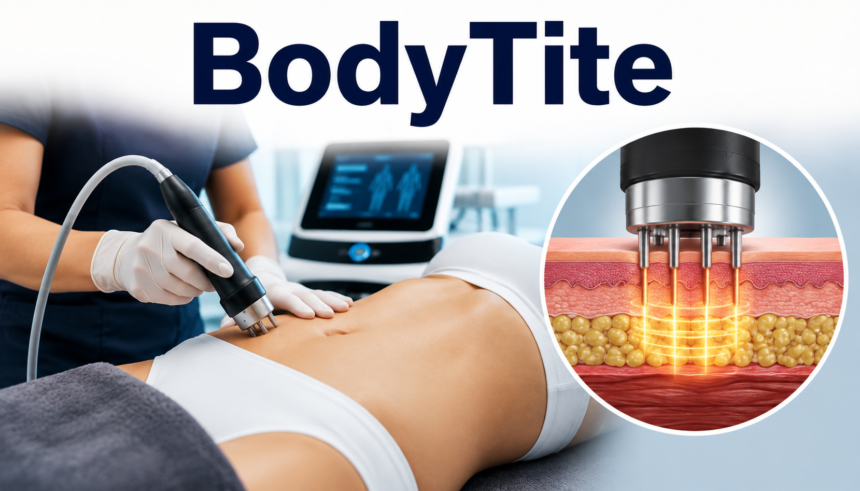
BodyTite uses two components: an internal probe inserted just beneath the skin and an external electrode placed on the skin’s surface. Energy passes between these two points, and the device continuously calculates the distance between them to control how deep and how strong the heating goes.
Real-Time Temperature Monitoring and Safety Cutoffs
To prevent burns or overheating, the device tracks tissue temperature throughout the entire procedure. Once the target temperature is reached in a given area, the system automatically signals the provider, which keeps the treatment within a safe and predictable range.
The Dual Action of Fat Melting and Skin Tightening
Because fat liquefaction and collagen stimulation happen in the same pass, patients avoid needing two separate procedures. This dual action is the main reason BodyTite is often chosen over standard liposuction for areas with visible skin laxity.
BodyTite vs. Traditional Liposuction
Many people considering fat reduction want to know how BodyTite stacks up against the liposuction methods that have been around for decades. The biggest differences show up in skin outcomes, scarring, and recovery time rather than in the fat removal itself.
| Factor | BodyTite | Traditional Liposuction |
| Skin tightening | Yes, built into the procedure | No, skin laxity often remains |
| Incision size | Very small, usually a few millimeters | Slightly larger incisions |
| Downtime | Around one to two weeks | Similar, sometimes longer |
| Anesthesia | Often local or light sedation | Frequently general anesthesia |
| Best suited for | Mild to moderate loose skin with fat | Fat removal with minimal skin laxity |
BodyTite vs. Other Skin-Tightening Devices
BodyTite is not the only radiofrequency-based option on the market, so it helps to see how it compares to its closest competitors before choosing a provider.
BodyTite vs. Renuvion or J-Plasma
Renuvion, also marketed as J-Plasma, uses helium-based plasma energy rather than pure radiofrequency, and it is generally used for tightening without removing large volumes of fat. BodyTite tends to be preferred when a patient needs meaningful fat reduction alongside tightening in one step.
BodyTite vs. CoolSculpting
CoolSculpting is a non-invasive fat-freezing treatment with no incisions and no skin tightening effect at all. BodyTite involves a small incision but delivers more noticeable fat reduction and firmer skin, making it a better fit for patients with looser skin.
BodyTite vs. SmartLipo
SmartLipo uses laser energy instead of radiofrequency and offers only mild skin tightening compared to BodyTite. Patients who need substantial firming, not just fat removal, generally see stronger results with BodyTite’s approach.
Areas of the Body BodyTite Can Treat
BodyTite is versatile enough to be used across several regions of the body, which is part of why it appeals to such a broad range of patients.
- Abdomen, for tightening the midsection after fat loss or pregnancy
- Arms, to reduce sagging along the upper arm area
- Thighs, both inner and outer, for smoother contouring
- Flanks and love handles, for a more defined waistline
- Neck and jawline, sometimes performed under the name FaceTite for facial areas
- Knees, where skin often loosens with age
- Back and bra roll areas, for a smoother silhouette under clothing
Who Is a Good Candidate?
Not everyone is an ideal fit for BodyTite, so understanding the general candidacy requirements can save time before booking a consultation.
Ideal Skin Elasticity and BMI Range
Candidates typically have mild to moderate loose skin along with a body mass index close to normal or slightly above it. BodyTite is not designed as a weight-loss tool, so patients far outside a healthy BMI range are usually advised to lose weight first.
Age Considerations
There is no strict age cutoff, but older patients with more significant skin laxity may see more modest tightening compared to younger patients. A provider will assess skin quality individually rather than relying on age alone.
Health Requirements
Candidates should be in generally good health, free of uncontrolled conditions like diabetes or clotting disorders that could affect healing. A thorough medical history review during consultation helps rule out any complicating factors.
Who Should Avoid It
Pregnant or breastfeeding individuals, people with active infections in the treatment area, and those with unrealistic expectations about dramatic weight loss are usually not suitable candidates. A qualified provider will be upfront if BodyTite is not the right choice for a particular patient.
The BodyTite Procedure: Step-by-Step
Knowing what happens during the actual appointment helps reduce anxiety and sets realistic expectations for the day of treatment.
Consultation and Planning
Before the procedure, the provider examines the treatment area, discusses goals, and maps out exactly where the probe and electrode will be used. This planning stage also covers anesthesia choice and any pre-procedure instructions.
Anesthesia Type
BodyTite is often performed under local anesthesia with light sedation, though some larger areas may require general anesthesia. The choice depends on the size of the treatment zone and the patient’s comfort level.
The Actual Procedure Walkthrough
A small incision is made, the internal probe is inserted, and the external electrode is placed over the same area on the skin’s surface. The provider moves both components together, monitoring temperature as fat is liquefied and suctioned out while the skin tightens from the heat.
Duration of a Typical Session
A single BodyTite session can range from about thirty minutes for a small area to a couple of hours for multiple larger zones. The exact time depends on how many areas are being treated in one visit.
Recovery and Downtime
Recovery after BodyTite is generally shorter than after a surgical lift, but it still requires some patience and aftercare to get the best results.
Immediate Post-Procedure Care
Right after the procedure, patients usually experience swelling, tenderness, and mild bruising in the treated area. Providers typically recommend rest for the first day or two along with any prescribed pain management.
Compression Garments
Wearing a compression garment is a standard part of aftercare, as it helps reduce swelling and supports the skin while it begins to tighten. Most patients wear these garments for several weeks depending on the provider’s specific instructions.
Recovery Timeline
| Timeframe | What to Expect |
| Day 1 | Swelling, tenderness, limited activity |
| Week 1 | Bruising fades, light activity may resume |
| Month 1 | Most swelling subsides, early tightening visible |
| Month 3+ | Collagen remodeling continues, results become clearer |
Activity Restrictions
Strenuous exercise and heavy lifting are usually paused for a few weeks to allow proper healing. Light walking is often encouraged early on to support circulation and reduce swelling.
Signs of Normal vs. Concerning Healing
Mild swelling, bruising, and temporary numbness are considered normal parts of recovery. Signs like spreading redness, fever, or unusual drainage should be reported to the provider right away, as these could indicate infection.
Results Timeline
Results from BodyTite do not appear instantly, since the skin needs time to respond to the collagen-stimulating heat from the procedure.
When Swelling Subsides
Most visible swelling decreases significantly within the first few weeks, though some residual puffiness can linger a bit longer depending on the treated area. Patience during this phase is important before judging the final outcome.
When Initial Results Appear
Once swelling calms down, usually around the one-month mark, patients often start noticing a smoother, more contoured appearance. This is still not the final result, but it gives a good preview of what is coming.
When Final Results Are Visible
Full results typically show up between three and six months after treatment, as collagen continues rebuilding during this period. Some patients notice gradual improvement even beyond the six-month point.
Longevity of Results
As long as body weight stays relatively stable, BodyTite results tend to last for several years. Significant weight fluctuations afterward can affect how long the tightening and contouring hold up.
Benefits of BodyTite
- Minimal scarring due to the very small incision size used during the procedure
- Combined fat removal and skin tightening in a single treatment session
- Shorter recovery period compared to more invasive surgical alternatives
- Flexibility to be combined with other procedures during the same visit
Risks and Side Effects
Like any energy-based treatment, BodyTite carries some risks that patients should understand beforehand.
Common Side Effects
Swelling, bruising, and temporary numbness in the treated area are the most frequently reported side effects. These generally resolve on their own within a few weeks as the body heals.
Rare but Serious Risks
Less common risks include burns, skin irregularities, or infection, particularly when the procedure is performed by an inexperienced provider. Choosing a properly trained specialist significantly lowers the chance of these complications.
Importance of a Qualified Provider
Because BodyTite relies on precise temperature control, provider skill directly affects both safety and results. Patients should always confirm that their provider has specific training and experience with this exact device.
Cost of BodyTite
BodyTite pricing varies widely depending on location, provider expertise, and how many areas are treated in a single session.
Average Price Range by Treatment Area
Smaller areas like the neck or arms tend to cost less than larger zones like the abdomen or thighs, since treatment time and complexity increase with size. Combining multiple areas in one visit often changes the overall pricing structure as well.
Factors Influencing Cost
Geographic location, the provider’s experience level, anesthesia type, and facility fees all play a role in the final price. Getting quotes from a few qualified providers can help patients understand a realistic price range for their specific goals.
Insurance Considerations
BodyTite is considered a cosmetic procedure, so it is typically not covered by insurance. Patients should plan to pay out of pocket and ask providers about any available payment plans.
How to Choose a Provider?
Picking the right provider matters just as much as the technology itself when it comes to safety and results.
Credentials to Look For
Look for board-certified plastic surgeons or dermatologists who have specific, documented training on the BodyTite device. Before-and-after photos from the provider’s own patients are also a useful way to gauge their skill level.
Questions to Ask During Consultation
Ask how many BodyTite procedures the provider has performed, what results are realistic for your specific skin type, and what the full recovery plan looks like. A confident, detailed answer to these questions is a good sign of genuine experience.
Red Flags to Avoid
Be cautious of providers offering prices that seem unusually low, vague answers about their training, or pressure to book immediately without a proper consultation. A trustworthy provider will always prioritize a thorough assessment over a quick sale.
Frequently Asked Questions
Is BodyTite permanent? Results can last for years as long as weight remains stable, though natural aging will continue over time.
Does it hurt? Most patients report mild discomfort during recovery rather than significant pain, especially with proper anesthesia during the procedure.
Can I combine it with a tummy tuck? Yes, some patients combine BodyTite with other procedures, though this decision depends on individual anatomy and a provider’s recommendation.
How many sessions are needed? Most patients achieve their desired outcome in a single session, though larger areas occasionally benefit from a follow-up treatment.
Is it safe for darker skin tones? BodyTite is generally considered safe across skin tones since it relies on internal heating rather than surface-level light-based energy, but a consultation confirms individual suitability.
Conclusion
BodyTite offers a practical middle ground between traditional liposuction and more invasive surgical lifts by combining fat reduction with genuine skin tightening in one session. Choosing an experienced, properly trained provider remains the most important factor in getting safe, natural-looking results from this treatment.