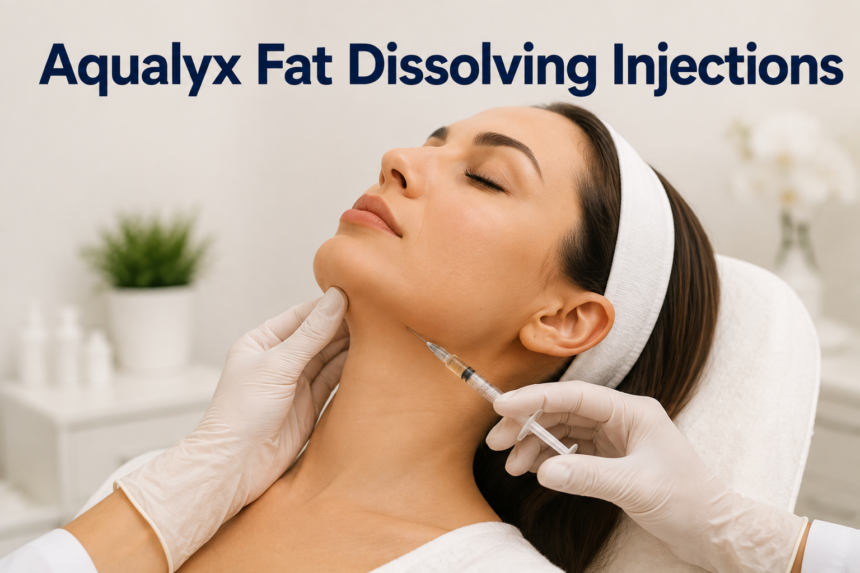
Aqualyx is a non-surgical fat reduction treatment that has become a popular alternative for people who want to target small, stubborn pockets of fat without undergoing liposuction. It works by breaking down fat cells through a series of injections, allowing the body to naturally flush the dissolved fat out over the following weeks.
Unlike surgical procedures, Aqualyx does not require anesthesia, incisions, or extended downtime, which makes it appealing to people with busy schedules. It is most commonly used on areas such as the chin, abdomen, thighs, and arms where diet and exercise have not fully resolved localized fat deposits.
This article breaks down everything you need to know about Aqualyx in simple, easy-to-follow language — from the science behind the injections to recovery, cost, and how it compares with other fat reduction methods.
Key Takeaways
- Aqualyx is an injectable solution used to dissolve small, localized fat deposits without surgery.
- Its main active ingredient is deoxycholic acid, a compound that breaks down fat cell membranes.
- Results are gradual and typically require multiple sessions spaced several weeks apart.
- Mild swelling and bruising are common, while serious complications are rare when performed by a trained provider.
- Aqualyx is not a weight-loss treatment; it is designed for localized fat reduction only.
What Is Aqualyx?
Aqualyx is an injectable lipolysis solution used to break down and dissolve fat cells in specific areas of the body. It is classified as a cosmetic injectable rather than a weight-loss drug, meaning its purpose is body contouring in small, targeted zones rather than overall fat loss. Two smaller sections below explain what it’s made of and how it compares with a more invasive alternative.
Active Ingredient
The primary active compound in Aqualyx is deoxycholic acid, a substance the body naturally produces to help digest and absorb dietary fat. When injected into fatty tissue, it disrupts the outer membrane of fat cells, causing them to break apart. The fat content is then released into the surrounding tissue and gradually processed by the body’s lymphatic and metabolic systems.
How It Differs From Liposuction
Liposuction is a surgical procedure that physically removes fat through suction under general or local anesthesia, producing more immediate and dramatic results. Aqualyx, in contrast, is administered through a series of small injections in a clinic setting, with no cutting or suction involved. This makes Aqualyx a gentler option, though results appear more gradually and are generally better suited to smaller fat deposits rather than large-volume fat removal.
FDA/Regulatory Status by Region
Aqualyx is widely used across Europe, the UK, and parts of Asia and the Middle East, but its regulatory status varies by country. In some regions it is approved specifically for cosmetic lipolysis, while in others similar deoxycholic acid formulations are marketed under different brand approvals. It is important to confirm the product’s regulatory approval status in your country and to receive treatment only from a licensed medical professional.
How Does Aqualyx Work?
Aqualyx works by chemically breaking down the walls of fat cells so their contents can be released and naturally eliminated by the body. This process, known as lipolysis, happens gradually rather than instantly. The sections below explain the biological process and the general timeline patients can expect.
The Fat-Dissolving (Lipolysis) Process
Once injected into the targeted fat layer, the deoxycholic acid in Aqualyx binds to the fat cell membrane and causes it to rupture. This releases the stored fat content, along with cellular debris, into the surrounding tissue space. The body then recognizes this material as waste and begins processing it through normal inflammatory and metabolic pathways.
How the Body Eliminates Broken-Down Fat
After the fat cells rupture, the released fatty content is absorbed by the lymphatic system and transported to the liver, where it is metabolized much like dietary fat. This is a gradual process that unfolds over several weeks rather than happening immediately after treatment. Adequate hydration and light physical activity are often recommended to support this natural elimination process.
Timeline From Injection to Results
Most patients begin noticing subtle changes within two to three weeks of a session, with fuller results developing over four to six weeks as the body clears the dissolved fat. Since fat cells are broken down gradually, visible improvement is progressive rather than immediate, and most treatment plans involve more than one session to achieve the desired contour.
Areas of the Body Aqualyx Can Treat
Aqualyx is designed for small, localized fat pockets rather than large areas of the body. It is commonly used on the face, torso, and limbs in zones where fat tends to resist diet and exercise. The subsections below outline the most frequently treated regions.
Face & Chin (Submental Fat)
One of the most popular uses of Aqualyx is reducing submental fat, commonly known as a double chin. Because the chin area has a smaller fat volume, it typically responds well to a limited number of sessions, and the results can noticeably improve facial profile and jawline definition.
Abdomen & Love Handles
The abdomen and flanks (often called love handles) are common treatment zones, especially for fat that persists despite regular exercise. Since this area generally holds more fat volume than the face, patients often require a slightly higher number of sessions to see comparable results.
Thighs, Arms & Other Body Areas
Aqualyx can also be used on the inner thighs, upper arms, and back, targeting smaller fat bulges in these regions. As with other areas, results depend on the size of the fat deposit and the individual’s response to treatment, so a provider will usually assess each area separately during consultation.
What to Expect During an Aqualyx Session?
An Aqualyx session generally follows a structured process, starting with a consultation and ending with a short recovery period on the same day. Knowing what happens at each stage can help you feel more prepared and set realistic expectations.
Consultation & Candidacy Assessment
Before treatment, a licensed provider will assess your medical history, the specific area you want treated, and whether Aqualyx is a suitable option for your goals. This step typically includes a physical examination of the fat deposit and a discussion about expected outcomes, since Aqualyx is best suited for smaller, well-defined fat pockets rather than significant weight loss.
The Injection Procedure Step-by-Step
During the procedure, the treatment area is cleaned and sometimes numbed with a topical anesthetic to minimize discomfort. The provider then uses a fine needle to inject the Aqualyx solution at multiple points across the fat deposit, spacing the injections evenly to ensure uniform breakdown of the fat layer. The entire session usually takes between fifteen and thirty minutes, depending on the size of the area being treated.
Number of Sessions Typically Needed
Most treatment plans involve two to six sessions, spaced around four weeks apart, depending on the size of the fat deposit and how the individual’s body responds. Smaller areas like the chin often require fewer sessions, while larger areas such as the abdomen may need a longer treatment course to achieve the desired result.
Aqualyx Recovery and Aftercare
Recovery after Aqualyx is generally mild compared to surgical fat removal, though some temporary side effects are expected. The following sections explain what to expect immediately after treatment and how to support the healing process.
Immediate Side Effects (Swelling, Bruising)
It is common to experience swelling, redness, tenderness, and mild bruising in the treated area for several days after injection. Some patients also notice a firm or lumpy texture as the body processes the broken-down fat, which typically softens over the following weeks. These effects are considered a normal part of the healing response rather than a sign of complication.
Aftercare Tips for Faster Recovery
Providers commonly recommend staying well-hydrated, avoiding strenuous exercise for a few days, and wearing loose clothing over the treated area to reduce irritation. Light massage of the area, when advised by the provider, may also help support fluid drainage and reduce swelling more quickly.
When to Contact a Doctor
While mild swelling and bruising are expected, patients should contact their provider if they notice signs of infection such as increasing redness, warmth, pus, fever, or pain that worsens instead of improving over time. Prompt reporting of unusual symptoms allows a provider to rule out rare but serious complications early.
Benefits of Aqualyx
Aqualyx offers several practical advantages for people seeking a non-surgical approach to fat reduction. Because it does not require anesthesia or incisions, recovery time is significantly shorter than with liposuction, allowing most patients to return to daily activities within a day or two.
The treatment can also be tailored to small, specific areas, giving providers more precision when targeting stubborn fat pockets like the chin or flanks. Additionally, since the procedure is minimally invasive, it carries a lower risk profile than surgical alternatives when performed correctly by a qualified practitioner.
Risks and Side Effects of Aqualyx
As with any injectable treatment, Aqualyx carries potential risks alongside its benefits. Most side effects are mild and temporary, but understanding the full risk picture, including rare complications, is an important part of making an informed decision.
Common Mild Side Effects
The most frequently reported side effects include swelling, bruising, redness, and localized tenderness at the injection site. Some patients also experience temporary numbness or a sensation of firmness in the treated area, both of which usually resolve on their own within a few weeks.
Rare but Serious Complications
Although uncommon, more serious complications can include skin infection, uneven fat dissolution leading to contour irregularities, or an allergic reaction to the injected solution. These risks are significantly reduced when treatment is performed by an experienced, licensed provider using proper technique and sterile conditions.
Who Should Avoid Aqualyx
Aqualyx is generally not recommended for pregnant or breastfeeding individuals, people with active skin infections in the treatment area, or those with certain underlying health conditions affecting blood clotting or immune function. A thorough consultation with a qualified provider is necessary to determine individual suitability before proceeding.
Aqualyx vs Other Fat Reduction Methods
Choosing between fat reduction options often comes down to how invasive a person is willing to be, how much downtime they can afford, and how quickly they want to see results. The table below compares Aqualyx with three commonly considered alternatives.
| Method | Invasiveness | Typical Downtime | Best For |
| Aqualyx | Minimally invasive (injections) | 1–3 days | Small, localized fat pockets |
| Liposuction | Surgical | 1–2 weeks | Larger fat volume, faster results |
| CoolSculpting | Non-invasive (freezing) | Little to none | Mild fat reduction, no needles |
| Kybella | Minimally invasive (injections) | 1–3 days | FDA-approved for submental fat only |
Aqualyx Cost: What Influences the Price
The cost of Aqualyx treatment varies widely depending on factors such as the size and number of areas being treated, the number of sessions required, the clinic’s location, and the experience level of the provider.
Because most patients need multiple sessions to achieve their desired outcome, it is common for clinics to offer package pricing rather than charging per individual visit. Getting a personalized quote during consultation is the most reliable way to understand the total expected cost for your specific treatment plan.
Choosing a Qualified Provider
Selecting a properly trained and licensed provider is one of the most important factors in both the safety and effectiveness of Aqualyx treatment.
Look for practitioners with specific experience in injectable lipolysis, verifiable credentials, and a clinic that follows proper hygiene and safety protocols.
A good provider will also conduct a thorough consultation, set realistic expectations, and be transparent about potential risks rather than promising guaranteed or exaggerated results.
Frequently Asked Questions
Is Aqualyx safe? Aqualyx is considered safe when administered by a trained, licensed provider following proper protocols, though mild side effects like swelling and bruising are common.
How many Aqualyx sessions will I need? Most patients require between two and six sessions, spaced roughly four weeks apart, depending on the size of the treated area.
Is Aqualyx painful? Most patients report mild discomfort during injections, which is often minimized with a topical numbing cream applied beforehand.
How long do Aqualyx results last? Once fat cells are dissolved and eliminated, results are generally long-lasting, provided the patient maintains a stable weight afterward.
Can Aqualyx replace weight loss surgery? No, Aqualyx is designed for small, localized fat pockets and is not a substitute for weight loss or bariatric procedures.
Conclusion
Aqualyx offers a minimally invasive way to target stubborn, localized fat without the downtime associated with surgery.
While it is not a weight-loss solution, it can be an effective option for reducing small fat deposits in areas like the chin, abdomen, and thighs when performed by a qualified provider.
As with any cosmetic treatment, understanding the process, realistic timelines, and potential risks beforehand is key to making a well-informed decision.
RELATED POSTS
Symptoms of Gastric Vertigo: Causes, Signs & When to See a Doctor
Can Vaping Cause Acne? Understanding the Connection Between Vaping and Breakouts
Are Root Canals Bad for You? What You Need to Know
When Can I Eat Solid Food After Tooth Extraction?
How to Sleep With a Pinched Nerve in Neck: 7 Positions That Actually Help