


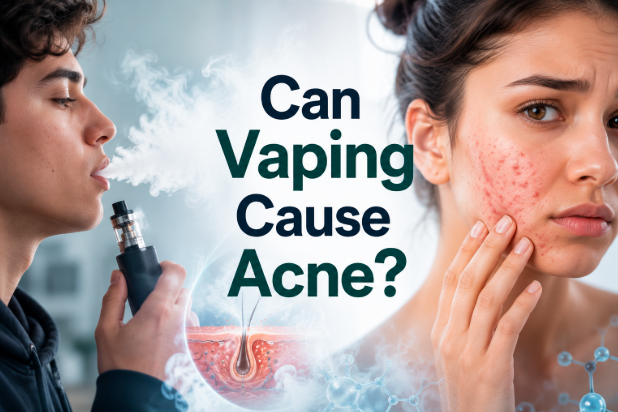
Acne is one of the most common skin concerns affecting teenagers and adults around the world. While many people know that hormones, genetics, stress, and skincare habits can influence acne, questions have recently emerged about vaping and its impact on skin health. As vaping has become increasingly popular, especially among young adults, many users have started noticing changes in their skin and wondering: can vaping cause acne?
The answer is not completely straightforward. Current research does not prove that vaping directly causes acne. However, evidence suggests that vaping may contribute to several conditions that can make acne worse. Factors such as inflammation, nicotine exposure, dehydration, impaired skin healing, and irritation may all play a role in increasing the likelihood of breakouts.
In this comprehensive guide, we will explore the relationship between vaping and acne, examine the science behind skin health, and discuss practical steps that may help reduce breakouts.
Understanding Acne: The Basics
Before exploring whether vaping affects acne, it is important to understand how acne develops in the first place.
Acne is a skin condition that occurs when hair follicles become clogged with oil, dead skin cells, and bacteria. These clogged pores can develop into blackheads, whiteheads, pimples, cysts, or nodules. Acne most commonly appears on the face, chest, shoulders, and back because these areas contain a higher concentration of oil-producing glands.
Several factors contribute to acne development, including:
- Excess oil production
- Hormonal fluctuations
- Bacterial growth
- Inflammation
- Genetics
- Stress
- Certain medications
- Poor skincare habits
Acne develops through a combination of these factors rather than a single cause. This is why identifying potential triggers, including lifestyle habits like vaping, is important when managing breakouts.
What Is Vaping?
Vaping refers to the use of electronic devices that heat a liquid into an aerosol that users inhale. These devices are commonly known as e-cigarettes, vape pens, pod systems, or disposable vapes.
Most vape liquids contain ingredients such as:
| Ingredient | Purpose |
|---|---|
| Nicotine | Provides stimulant effects and creates dependence |
| Propylene Glycol | Helps produce vapor |
| Vegetable Glycerin | Creates thicker clouds of vapor |
| Flavorings | Adds taste and aroma |
| Additional Chemicals | Used for preservation and manufacturing |
Many people choose vaping as an alternative to traditional smoking. Others begin vaping due to social trends, curiosity, stress management, or the perception that vaping is safer than cigarettes.
Although vaping eliminates some harmful substances found in tobacco smoke, it still exposes the body to chemicals that may affect overall health, including skin health.
Can Vaping Cause Acne?
The question “can vaping cause acne” has become increasingly common as more people report skin changes after beginning to vape.
At present, there is no definitive scientific evidence proving that vaping directly causes acne. However, researchers and dermatologists believe vaping may indirectly contribute to acne development through several biological mechanisms.
Instead of acting as a direct cause, vaping may create conditions within the body that make acne more likely to occur or existing acne more difficult to control. For individuals who already have acne-prone skin, vaping could potentially worsen symptoms and increase the frequency of breakouts.
Therefore, while vaping may not be the sole reason someone develops acne, it may be one of several contributing factors.
How Vaping May Contribute to Acne
Understanding the indirect relationship between vaping and acne requires examining how vaping affects the body and skin.
Increased Inflammation
Inflammation plays a major role in acne formation. When pores become clogged, the body’s immune system responds by creating inflammation. This leads to redness, swelling, and painful pimples.
Studies suggest that nicotine and other chemicals found in vape aerosols may increase inflammatory responses throughout the body. Increased inflammation can make existing acne lesions appear more severe and may contribute to more frequent breakouts.
People with inflammatory acne often notice that anything increasing systemic inflammation can worsen their symptoms. Vaping may be one of those factors.
Changes in Oil Production
The skin naturally produces oil, known as sebum, to maintain moisture and protect against environmental damage. However, excessive sebum production can clog pores and trigger acne.
Nicotine may stimulate sebaceous glands, potentially increasing oil production in some individuals. More oil on the skin can create an environment where pores become blocked more easily, increasing the risk of acne formation.
For individuals who already have oily skin, vaping may potentially make oil-related skin problems more noticeable.
Reduced Blood Flow to the Skin
Nicotine is known to constrict blood vessels. When blood vessels narrow, less oxygen and fewer nutrients reach the skin.
Healthy circulation is essential for skin repair and maintenance. Reduced blood flow may contribute to:
- Slower skin healing
- Increased skin irritation
- Dull complexion
- Delayed recovery from acne lesions
When pimples take longer to heal, the chances of acne marks and scars may also increase.
Dehydration and Skin Barrier Disruption
Many dermatologists believe that vaping may contribute to skin dehydration. Certain ingredients commonly found in vape liquids can draw moisture away from tissues.
When the skin becomes dehydrated, the protective skin barrier may weaken. A compromised skin barrier can lead to:
- Increased irritation
- Redness
- Sensitivity
- Greater vulnerability to breakouts
In some cases, dehydrated skin may respond by producing even more oil to compensate for moisture loss, creating conditions that encourage clogged pores.
Oxidative Stress
Oxidative stress occurs when harmful free radicals outnumber the body’s protective antioxidants. Excessive oxidative stress can damage cells and accelerate skin aging.
Research suggests that vaping may increase oxidative stress within the body. This cellular damage can affect overall skin health and potentially worsen inflammatory skin conditions, including acne.
Slower Wound Healing
Acne lesions require proper healing to prevent scarring and prolonged inflammation. Nicotine exposure has been linked to slower wound healing in various tissues throughout the body.
As a result, pimples may remain inflamed for longer periods, making acne appear more persistent and difficult to manage.
The Role of Nicotine in Skin Problems
Nicotine is one of the most discussed ingredients when examining whether vaping can contribute to acne.
Nicotine affects multiple systems within the body. It influences blood circulation, hormone regulation, inflammation, and stress responses. Each of these factors may indirectly impact skin health.
The following table summarizes how nicotine may affect acne-prone skin:
| Nicotine Effect | Potential Impact on Acne |
| Increased inflammation | More redness and swelling |
| Reduced circulation | Slower healing of pimples |
| Hormonal influences | Potential increase in oil production |
| Oxidative stress | Greater skin damage |
| Dehydration | Increased irritation and breakouts |
While nicotine does not automatically cause acne in every user, these effects may contribute to worsening symptoms in susceptible individuals.
Other Skin Conditions Associated With Vaping
The discussion around can vaping cause acne often overlaps with broader concerns about skin health.
In addition to acne, vaping has been associated with several skin-related issues.
Dry Skin
Reduced hydration levels may cause the skin to appear rough, flaky, or tight. Dry skin can become irritated more easily and may contribute to discomfort.
Contact Dermatitis
Some individuals develop allergic or irritant reactions to ingredients found in vape liquids. These reactions may cause redness, itching, and skin inflammation.
Premature Aging
Oxidative stress and reduced blood flow may contribute to early signs of aging, including fine lines, wrinkles, and loss of skin elasticity.
Increased Skin Sensitivity
Repeated exposure to chemicals in vape aerosols may increase skin sensitivity in some individuals, making existing skin conditions harder to manage.
Signs That Vaping May Be Affecting Your Skin
Although every person’s skin responds differently, certain signs may suggest vaping is negatively affecting skin health.
Common indicators include:
- More frequent breakouts than usual.
- Increased redness around acne lesions.
- Persistent dryness despite moisturizing.
- Slower healing of pimples.
- Dull or tired-looking skin.
- Greater skin sensitivity.
- Increased irritation around the mouth or jawline.
If these symptoms appear after beginning vaping, the habit may be contributing to skin changes.
Who Is Most at Risk?
Not everyone who vapes will experience acne. However, some individuals may be more vulnerable to skin-related effects.
Higher-risk groups include:
- Teenagers experiencing hormonal changes
- Young adults with acne-prone skin
- Individuals with naturally oily skin
- Heavy nicotine users
- People with inflammatory skin conditions
- Individuals with sensitive skin
Because acne often develops from multiple causes, those already predisposed to breakouts may notice stronger effects.
Vaping and Hormonal Acne
Hormonal acne is commonly associated with fluctuations in androgen hormones. These hormones can stimulate oil production and increase the likelihood of clogged pores.
Although research is still developing, nicotine may influence certain hormonal pathways and stress-related responses. Elevated stress hormones can potentially worsen acne in some individuals.
Many people who experience hormonal acne notice flare-ups during periods of emotional stress. Since nicotine can affect the body’s stress response systems, it may indirectly contribute to hormonal acne symptoms.
Can Quitting Vaping Improve Acne?
One of the most encouraging aspects of skin health is the body’s ability to recover.
If vaping is contributing to inflammation, dehydration, or impaired healing, reducing or eliminating vaping may help improve overall skin condition over time.
Potential benefits of quitting vaping include:
| Potential Improvement | Skin Benefit |
| Reduced inflammation | Less redness and swelling |
| Improved circulation | Better skin repair |
| Increased hydration | Healthier skin barrier |
| Reduced oxidative stress | Improved skin quality |
| Better healing | Faster recovery of acne lesions |
The timeline for noticeable improvement varies from person to person. Some individuals may notice changes within weeks, while others may require several months to observe significant differences.
Tips for Managing Acne if You Vape
If you currently vape and struggle with acne, several practical strategies may help support healthier skin.
Follow a Consistent Skincare Routine
Use a gentle cleanser twice daily and choose products designed for acne-prone skin. Consistency is often more important than using numerous products.
Stay Hydrated
Drinking adequate water may help maintain skin hydration and support overall skin function.
Choose Non-Comedogenic Products
Non-comedogenic skincare and cosmetic products are formulated to reduce the risk of clogged pores.
Avoid Touching Your Face
Frequent contact with the face can transfer bacteria, oil, and dirt to the skin.
Manage Stress Levels
Stress is a known acne trigger. Regular exercise, adequate sleep, and relaxation techniques may help support skin health.
Consider Reducing or Quitting Vaping
If vaping is contributing to skin problems, reducing nicotine exposure may help improve overall skin condition.
Dermatologist Recommendations
Dermatologists generally recommend taking a comprehensive approach to acne treatment. Rather than focusing on a single trigger, experts evaluate lifestyle habits, hormones, skincare routines, diet, stress levels, and environmental factors.
Professional treatments may include:
- Topical retinoids
- Benzoyl peroxide products
- Salicylic acid treatments
- Prescription medications
- Hormonal therapies
- Chemical peels
- Laser treatments
Consulting a dermatologist is especially important if acne becomes severe, painful, or leaves scars.
Myths and Facts About Vaping and Acne
Many misconceptions exist regarding the relationship between vaping and skin health.
| Myth | Fact |
| Vaping definitely causes acne | No direct proof exists |
| Vaping has no effect on skin | It may indirectly affect skin health |
| Nicotine only affects the lungs | Nicotine impacts multiple body systems |
| Acne is caused only by poor hygiene | Acne involves hormones, genetics, inflammation, and lifestyle factors |
Frequently Asked Questions
Does vaping directly cause acne?
Current evidence does not prove that vaping directly causes acne. However, vaping may contribute to conditions that make acne worse.
Can nicotine make acne worse?
Yes. Nicotine may increase inflammation, affect oil production, reduce blood circulation, and slow skin healing.
Are nicotine-free vapes better for acne?
Nicotine-free products remove one potential contributing factor, but other vape ingredients may still affect skin health.
Will my skin improve after quitting vaping?
Many individuals experience improvements in skin hydration, healing, and overall appearance after quitting vaping.
How long does skin recovery take?
Recovery varies depending on individual factors, vaping history, skincare habits, and overall health. Improvements may appear within several weeks or months.
Conclusion
So, can vaping cause acne? Based on current scientific understanding, vaping does not appear to be a direct cause of acne. However, it may contribute to several biological processes that increase the likelihood of breakouts or worsen existing acne.
Factors such as inflammation, nicotine exposure, dehydration, oxidative stress, reduced circulation, and slower skin healing may all influence skin health. For people who already have acne-prone skin, these effects may be particularly noticeable.
While more research is needed to fully understand the connection between vaping and acne, maintaining a healthy skincare routine, staying hydrated, managing stress, and reducing nicotine exposure can all support clearer, healthier skin. If acne persists or becomes severe, seeking professional advice from a dermatologist remains the best course of action.
Related Articles
Does Cataract Cause Headaches? Causes, Symptoms, Treatment, and Prevention Guide
Heart Pain While Exercising: Causes, Warning Signs, and When to Call 911
Are Styes Contagious? Causes, Symptoms & Treatment (Hordeolum Guide)
Painful Lump Behind Ear: Causes, Symptoms, Diagnosis, Treatment & Complete Easy Guide
Neptune Health: Services, Workplace Wellness, Telehealth, Benefits, and Future Innovations


