

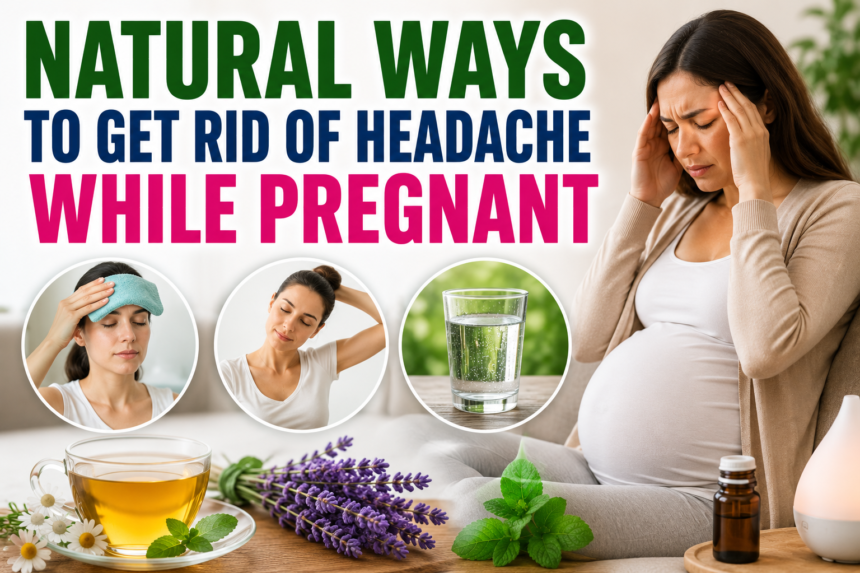
Natural ways to get rid of headache while pregnant are something most expectant mothers urgently need — especially since reaching for your usual pain reliever is suddenly off the table.
Headaches during pregnancy are one of the most common discomforts, affecting up to 26% of pregnant women in the first trimester alone, according to research published in Cephalalgia (2003). When your body is flooded with hormones, blood volume is expanding, and sleep is already disrupted, head pain can strike hard and often.
The problem is that most standard headache medications — including ibuprofen and aspirin — are not recommended during pregnancy. This guide covers evidence-backed, OB-approved natural remedies that genuinely work, explains what is triggering your headaches, and tells you exactly when head pain during pregnancy requires a doctor’s call.
Why Headaches Are So Common During Pregnancy?
Understanding pregnancy headache causes and treatment starts with knowing why your head hurts in the first place. Headaches during pregnancy are not random — they follow predictable biological patterns tied to each trimester.
During the first trimester, the most significant driver is hormonal fluctuation. Estrogen and progesterone levels rise sharply in weeks 4–12, affecting neurotransmitter activity in the brain. Simultaneously, blood volume increases by up to 50% during pregnancy (American College of Obstetricians and Gynecologists, 2020), placing new demands on your cardiovascular system.
Most Common Headache Triggers by Trimester
First trimester triggers tend to be hormonal and lifestyle-related:
• Rapid estrogen and progesterone surges
• Increased blood volume and blood pressure changes
• Fatigue, nausea, and disrupted sleep patterns
• Caffeine reduction or withdrawal if you cut back suddenly
• Dehydration from morning sickness
Second and third trimester headaches have different causes:
• Poor posture as your center of gravity shifts
• Muscle tension in the neck, shoulders, and upper back
• Sinus congestion from pregnancy-related nasal swelling
• Blood pressure changes, including gestational hypertension
Safe Headache Remedies for Pregnant Women: 10 Natural Approaches
Headache relief during pregnancy does not require medication in most cases. The following methods are considered safe and are recommended by midwives, OBs, and evidence-based prenatal care guidelines.
Each method below has been selected based on safety for both mother and baby, with notes on when to use each one.
1. Hydration — Address the Most Common Cause First
Dehydration is responsible for a significant proportion of pregnancy headaches. The American Pregnancy Association recommends 8–10 cups of water per day during pregnancy. If you have been vomiting due to morning sickness, electrolyte drinks (coconut water or diluted sports drinks without artificial sweeteners) can help restore fluid balance faster.
• Drink a full glass of water at the first sign of a headache
• Keep a water bottle visible as a constant reminder
• Eat water-rich foods: watermelon, cucumber, oranges
2. Cold or Warm Compress
A cold compress for pregnancy headache works by constricting blood vessels and numbing pain signals. Apply a cold pack or a cloth soaked in cold water to your forehead or the back of your neck for 15–20 minutes. For tension-type headaches caused by neck and shoulder tightness, a warm compress applied to the neck and shoulders often provides better relief.
3. Rest in a Dark, Quiet Room
Light and noise sensitivity commonly accompany pregnancy headaches, particularly migraine during pregnancy. Lying down in a darkened room — even for 20–30 minutes — removes sensory overload and allows the nervous system to reset. Use blackout curtains or an eye mask if available.
4. Gentle Neck and Shoulder Stretches
Muscle tension is a major driver of tension headache pregnancy. Gentle stretching can release tight muscles in the cervical spine and upper trapezius. Try these safe movements:
1. Slowly tilt your head to the right, hold 20 seconds, repeat left
2. Drop your chin to your chest, hold 15 seconds, then look up gently
3. Roll your shoulders backward in slow, controlled circles — 10 repetitions
5. Prenatal Massage
A certified prenatal massage therapist can relieve the muscle tension contributing to headaches. Research published in the International Journal of Therapeutic Massage and Bodywork (2014) found that prenatal massage significantly reduced both the frequency and intensity of headaches in pregnant participants. Ensure your therapist has specific prenatal certification.
6. Acupressure
Acupressure — applying firm pressure to specific points on the body — has supporting evidence for headache relief. The LI4 pressure point (located in the webbing between your thumb and index finger) is the most commonly used for headache relief. Apply firm circular pressure for 30–60 seconds on each hand. Note: Some sources advise caution with LI4 in early pregnancy; consult your provider before use.
7. Essential Oils (With Caution)
Peppermint essential oil applied to the temples has been shown in a randomized controlled trial (Göbel et al., 1994, Cephalalgia) to be as effective as acetaminophen for tension headaches. Mix 1–2 drops with a carrier oil (coconut or almond oil) before applying to the skin. Lavender oil diffused in the room also promotes relaxation.
How to Treat Headaches in First Trimester vs. Later Trimesters
The approach to prenatal headache management varies by trimester because triggers, safety considerations, and body changes differ significantly across pregnancy.
| Trimester | Primary Trigger | Best Natural Remedy | Medical Options (OB-Approved) |
| First (Weeks 1–12) | Hormonal surge, caffeine withdrawal | Hydration, rest, cold compress | Acetaminophen (low dose, as needed) |
| Second (Weeks 13–26) | Posture, sinus congestion, fatigue | Stretches, warm compress, massage | Acetaminophen if needed |
| Third (Weeks 27–40) | Blood pressure, tension, poor sleep | Prenatal pillow, acupressure, rest | OB evaluation first — rule out preeclampsia |
In the first trimester, the focus should be on identifying and removing triggers — especially dehydration, low blood sugar, and caffeine changes. In the third trimester, any new or worsening headaches warrant a blood pressure check before attempting home treatment.
When Headaches During Pregnancy Are a Medical Emergency?
Not every pregnancy headache is benign. Knowing the red flags can protect both you and your baby. Preeclampsia — a condition marked by high blood pressure and organ stress — affects 5–8% of pregnancies in the United States, according to the Preeclampsia Foundation (2024).
Contact your healthcare provider immediately or go to the emergency room if your headache:
• Begins suddenly and is described as the “worst headache of your life”
• Occurs after 20 weeks of pregnancy alongside swelling in the face or hands
• Is accompanied by vision changes: blurred vision, seeing spots, or temporary blindness
• Comes with severe upper abdominal pain or nausea not related to morning sickness
• Persists despite rest, hydration, and acetaminophen
• Is followed by a seizure (eclampsia — a medical emergency)
A standard tension headache pregnancy episode will typically improve with rest, water, and a cold compress within 30–60 minutes. If it does not improve, call your provider.
Natural Remedies vs. Medication: What Pregnant Women Actually Have Available
Many pregnant women wonder whether they can take anything beyond natural remedies. Here is an honest breakdown of the options, with safety ratings used by most OBs.
| Option | Safety in Pregnancy | Effectiveness | Notes |
| Cold compress | Fully safe | Moderate–High | Best for frontal/sinus headaches |
| Hydration | Fully safe | High (if dehydration is cause) | First intervention to try every time |
| Peppermint oil (diluted) | Generally safe (2nd–3rd trim) | Moderate | Avoid direct skin contact without carrier oil |
| Prenatal massage | Safe with certified therapist | Moderate–High | Requires professional certification |
| Acetaminophen (Tylenol) | Generally safe, low dose | High | Use sparingly; confirm with OB |
| Ibuprofen (Advil) | Not recommended | N/A | Avoid especially after 20 weeks |
| Aspirin | Low-dose only under OB care | N/A | Only for specific conditions |
| Sumatriptan (triptans) | Limited data — OB decision | High for migraine | Risk-benefit discussion with OB required |
The takeaway: natural methods cover the majority of pregnancy headache cases effectively. Medication becomes relevant only for severe migraine during pregnancy in third trimester scenarios where the OB evaluates that the benefit to the mother outweighs risk.
Frequently Asked Questions
What causes headaches in early pregnancy?
The primary cause is the rapid rise in estrogen and progesterone during weeks 4–12. These hormonal changes affect serotonin levels, which influences pain sensitivity. Increased blood volume and changes in blood pressure also contribute. For many women, headaches improve significantly after the first trimester as hormone levels stabilize.
Is it safe to take Tylenol for headaches during pregnancy?
Acetaminophen (Tylenol) is generally considered the safest over-the-counter pain reliever during pregnancy when used at the lowest effective dose for the shortest duration. ACOG acknowledges its use while recommending that all medication decisions be made with your OB. Emerging research from 2021 (Danish National Birth Cohort) suggests long-term heavy use may carry some risk — occasional use is very different from daily use.
How do I get rid of a headache fast while pregnant?
The fastest drug-free approach: drink a full glass of cold water immediately, apply a cold compress to your forehead, lie in a dark quiet room, and do three slow neck rolls. For most tension headaches, this combination produces relief within 20–30 minutes. If it does not, a low-dose acetaminophen with your OB’s approval is the next step.
Can dehydration cause headaches during pregnancy?
Yes — dehydration headache pregnancy is one of the most common and most preventable scenarios. Pregnancy increases your fluid requirements significantly. Nausea, vomiting, and increased urination all deplete fluids faster. Drinking 8–10 cups of water daily and eating hydrating foods prevents the majority of dehydration-related headaches.
What pressure points relieve headaches during pregnancy?
The LI4 point (web between thumb and index finger) and the GB21 point (top of the shoulder, midway between neck and shoulder joint) are the most studied for headache relief. Apply firm circular pressure for 30–60 seconds. Note: Some acupuncturists caution against LI4 use in the first trimester — verify with your provider before using this method early in pregnancy.
Are headaches a sign of preeclampsia?
Headaches alone are not diagnostic of preeclampsia, but a severe, persistent headache after 20 weeks — especially when combined with visual disturbances, significant swelling, or high blood pressure readings — is a primary warning sign. ACOG recommends immediate evaluation in this scenario. Do not attempt to self-treat this type of headache.
Conclusion:
Natural ways to get rid of headache while pregnant are genuinely effective for the vast majority of cases — and most are simple enough to implement immediately. Hydration, rest, cold compresses, gentle stretching, and prenatal massage address the root causes without any medication risk.
The most important principle: treat dehydration first, rule out preeclampsia for any headache after 20 weeks, and always involve your OB before taking any medication. Your headache pattern, trimester, and overall health history all influence which approach is safest for you specifically.
Related Articles
Migraine vs Tension Headache: What’s the Difference and Which One Do You Have?
Are Allergies Hereditary? Understanding Genetics, Risk Factors & Evidence-Based Prevention
How to Restore Gum Health Naturally and Professionally?