


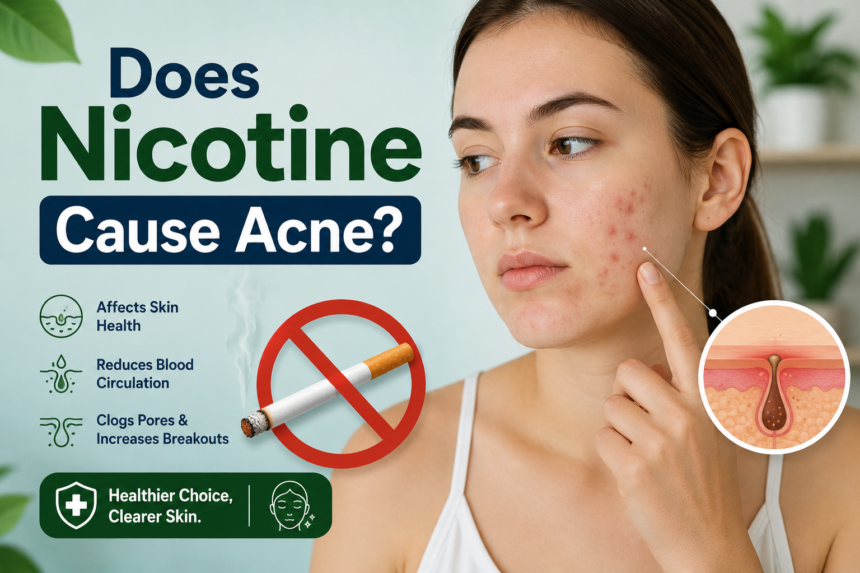
Many smokers and vapers start to wonder, “does nicotine cause acne?” especially after noticing new breakouts they can’t quite explain. While nicotine is often blamed, the real picture is more complex than a simple yes or no.
In this guide, we’ll explore what nicotine actually does to the skin and body, and break down the key difference between nicotine and smoking when it comes to acne. By the time you finish reading, you’ll have a clear, science-backed answer to whether nicotine is truly behind your breakouts.
What Is Nicotine and How Does It Affect the Body?
Nicotine is a naturally occurring stimulant found in tobacco plants, and it affects nearly every system in the body once absorbed. Understanding how it works is the first step before exploring whether it has any real connection to acne.
What Exactly Is Nicotine
Nicotine is a chemical compound that occurs naturally in tobacco leaves, and it is also produced synthetically for use in vapes, gums, patches, and pouches. It is best known for being the addictive substance in cigarettes, but on its own, nicotine is not the same as tobacco smoke.
How the Body Absorbs Nicotine
Nicotine can enter the bloodstream through several different methods, and each one affects how quickly and intensely it acts on the body. Some of the most common ways people consume nicotine include:
- Cigarettes and cigars, where nicotine is inhaled along with thousands of other burned chemicals.
- Vapes and e-cigarettes, where nicotine is inhaled through heated vapor rather than smoke.
- Nicotine patches, which deliver a steady dose through the skin over several hours.
- Nicotine gum and lozenges, which are absorbed through the lining of the mouth.
- Nicotine pouches, which are placed between the gum and lip and absorbed orally.
Nicotine’s Known Effects on Skin, Blood Flow, and Hormones
Once nicotine enters the bloodstream, it causes blood vessels to narrow temporarily, a process known as vasoconstriction. This can reduce blood flow to the skin, limiting the oxygen and nutrients that reach skin cells.
Nicotine also influences hormone levels, including cortisol, the body’s main stress hormone, which can indirectly affect oil production in the skin. These effects are real and measurable, but on their own, they do not automatically prove that nicotine causes acne directly.
Understanding Acne
Before connecting nicotine to acne, it helps to understand what actually causes breakouts in the first place. Acne is rarely caused by a single factor and usually develops from a combination of internal and external triggers.
What Causes Acne
Acne forms when hair follicles become clogged with excess oil, dead skin cells, and bacteria, leading to inflammation, redness, and breakouts. This clogging can happen due to hormonal changes, increased oil production, or skin that doesn’t shed dead cells efficiently.
Bacteria called Cutibacterium acnes can then multiply inside these clogged pores, worsening inflammation and leading to the pimples, blackheads, or cysts associated with acne.
Does Nicotine Directly Cause Acne?
There is no strong scientific evidence proving that nicotine, by itself, directly causes acne. Most research instead points toward smoking as a whole, rather than nicotine specifically, when looking at skin and acne issues.
What Current Research Says
Studies examining the link between nicotine and acne are limited and often mixed in their conclusions. Some research has focused on smokers in general rather than isolating nicotine as a single variable, which makes it difficult to draw a direct cause-and-effect relationship between nicotine and breakouts.
Nicotine’s Anti-Inflammatory and Antibacterial Properties
Interestingly, some research suggests nicotine may have anti-inflammatory and antibacterial properties, which could theoretically reduce certain types of acne rather than worsen them.
This is one reason some scientists have explored nicotine’s effects on inflammatory skin conditions separately from its effects through smoking.
Nicotine vs. Smoking: An Important Distinction
One of the biggest sources of confusion around this topic comes from mixing up nicotine with smoking as a whole. These are not the same thing, and the distinction matters a lot for accurate conclusions.
Why Studies on Smokers Don’t Equal Studies on Nicotine
Most studies that link smoking to skin problems are observing people who smoke cigarettes, which means they are exposed to nicotine along with thousands of other chemicals at the same time. This makes it impossible to know whether nicotine, tar, formaldehyde, or another compound is responsible for any skin changes observed in these studies.
Thousands of Chemicals in Cigarette Smoke Besides Nicotine
Cigarette smoke contains far more than just nicotine, and many of these other chemicals are known to harm skin health independently. The table below highlights a few examples:
| Chemical in Cigarette Smoke | Known Effect on Skin |
| Tar | Clogs pores and contributes to dull, uneven skin tone |
| Carbon monoxide | Reduces oxygen supply to skin tissue |
| Formaldehyde | Causes irritation and inflammation |
| Acrolein | Breaks down collagen and elastin in skin |
| Nicotine | Narrows blood vessels, may affect oil production indirectly |
This comparison makes it clear that nicotine is only one small piece of a much larger chemical mixture found in cigarette smoke.
How Smoking May Be Linked to Acne
While nicotine alone isn’t clearly proven to cause acne, smoking as a whole habit does show some links to skin problems in existing research. This connection is largely tied to the combined effects of multiple harmful chemicals rather than nicotine in isolation.
Oxidative Stress and Skin Damage
Cigarette smoke increases oxidative stress in the body, which damages skin cells and accelerates aging. This oxidative damage can weaken the skin’s natural barrier, making it more vulnerable to irritation, clogged pores, and inflammation that can contribute to breakouts.
Reduced Oxygen and Blood Flow to Skin
Smoking reduces oxygen delivery to skin tissue due to both nicotine’s vasoconstrictive effect and carbon monoxide binding to red blood cells. Skin that doesn’t receive adequate oxygen and nutrients tends to heal more slowly and may struggle to regulate oil production effectively.
Excess Sebum Production
Some studies have observed increased sebum, or oil, production in smokers, particularly affecting the T-zone of the face. Since excess oil is one of the main contributors to clogged pores, this could partly explain why some smokers report more breakouts than non-smokers.
Nicotine Vaping and Skin Health
As vaping has grown in popularity, many people now wonder whether it carries the same skin risks as traditional smoking, since both involve nicotine but differ significantly in chemical exposure.
Does Vaping Have the Same Effects as Smoking
Vaping exposes users to nicotine through heated vapor rather than burned tobacco, which means it avoids many of the combustion byproducts found in cigarette smoke, such as tar and carbon monoxide.
Current Research Gaps
Because vaping is relatively new compared to traditional smoking, there isn’t enough long-term research to fully understand its impact on acne or overall skin health.
Most existing studies focus on respiratory effects rather than dermatological outcomes, leaving a significant gap in knowledge about vaping and breakouts specifically.
Possible Skin-Drying or Irritation Effects
Some vape liquids contain propylene glycol, which can have a drying effect on skin and mucous membranes. Dehydrated skin sometimes overproduces oil to compensate for the lack of moisture, which could indirectly contribute to clogged pores in certain individuals, though this connection remains largely anecdotal rather than firmly established through research.
Other Factors That May Be Mistaken for Nicotine-Related Acne
Many breakouts that people blame on nicotine may actually be caused by other habits or changes that commonly occur alongside nicotine use, rather than nicotine itself.
Stress From Nicotine Withdrawal
Quitting or reducing nicotine intake can cause stress and anxiety, especially during withdrawal periods, and elevated stress hormones are well known to trigger breakouts. This means that skin changes during this time might be linked more to stress than to nicotine use itself.
Hormonal Fluctuations
Hormonal shifts from various life factors, including diet changes, sleep disruption, or menstrual cycles, can coincide with nicotine use without being directly caused by it. Since hormones play such a major role in acne development, it’s easy to mistakenly attribute breakouts to nicotine when hormonal changes are the real underlying cause.
Touching the Face Frequently
People who smoke or vape often touch their face, lips, and mouth area more frequently throughout the day, which can transfer bacteria and oil from hands to skin. This repeated contact can contribute to breakouts around the mouth and chin area, an effect related to habit rather than nicotine’s chemical properties.
What Dermatologists Say?
Most dermatologists agree that smoking, rather than nicotine alone, is more strongly associated with certain types of skin damage and premature aging. They generally point out that the combination of chemicals in cigarette smoke, combined with reduced blood flow and oxidative stress, creates an environment where skin struggles to repair and regenerate properly.
When it comes to nicotine specifically, many experts remain cautious about making strong claims, since isolated nicotine exposure through patches, gum, or vaping hasn’t been studied as thoroughly as traditional smoking.
Dermatologists often recommend looking at overall lifestyle, skincare routine, and stress levels when addressing acne concerns, rather than focusing on nicotine as the single explanation.
Tips to Reduce Acne If You Use Nicotine Products
If you use nicotine in any form and are dealing with breakouts, there are practical steps you can take to support healthier skin regardless of the exact cause.
- Stay hydrated throughout the day, since proper hydration supports skin barrier function and helps regulate oil production naturally.
- Follow a consistent skincare routine, including gentle cleansing twice daily and non-comedogenic moisturizers that won’t clog pores.
- Increase antioxidant-rich foods in your diet, such as berries, leafy greens, and nuts, to help counter oxidative stress on skin cells.
- Avoid touching your face unnecessarily, especially while smoking, vaping, or handling nicotine pouches, to reduce bacteria transfer.
- Manage stress levels through relaxation techniques, such as light exercise or breathing exercises, since stress hormones can worsen acne.
- Consult a dermatologist if breakouts persist, as they can help identify whether hormonal, dietary, or product-related factors are contributing to your specific skin concerns.
FAQs
Does vaping cause acne?
There isn’t enough long-term research to confirm that vaping directly causes acne. However, certain ingredients like propylene glycol may dry out skin in some users, which could indirectly contribute to oil imbalance and breakouts.
Can quitting smoking improve skin?
Yes, many people notice improved skin tone, texture, and healing after quitting smoking, since blood flow and oxygen delivery to the skin typically improve over time.
Are nicotine patches bad for skin?
Nicotine patches can sometimes cause localized skin irritation or redness at the application site, but this is different from causing acne on the face or body.
Does nicotine cause hormonal acne?
There is no strong evidence that nicotine directly triggers hormonal acne, since hormonal acne is primarily driven by androgen levels and individual hormone sensitivity.
Does nicotine pouch use cause acne?
Nicotine pouches deliver nicotine without burning tobacco, so they skip the tar and smoke chemicals tied to skin damage. However, frequent contact around the mouth can sometimes cause mild irritation in some users.
Is nicotine acne the same as a smoker’s acne?
There’s no official medical condition called “nicotine acne.” The term “smoker’s acne” is sometimes used informally to describe the dull, non-inflammatory breakouts seen in long-term smokers.
Conclusion
So, does nicotine cause acne? Based on current scientific understanding, the answer leans toward “not directly.”
Most evidence points to smoking as a whole, with its combination of tar, carbon monoxide, and oxidative chemicals, as the stronger contributor to skin problems and certain types of acne, rather than nicotine acting alone.
Nicotine itself even shows some anti-inflammatory properties in isolated studies, which complicates any simple cause-and-effect claim.
Related posts
When Do Pregnancy Cravings Start? Complete Timeline & Causes Guide
Eyes in Concussion: Symptoms, Vision Problems, and Recovery
Does Root Canal Cause Health Problems? Myths vs. Real Risks
Behavioral Health Billing: Complete Guide to Process, Coding, Claims, and Compliance
Are Allergies Hereditary? Understanding Genetics, Risk Factors & Evidence-Based Prevention


