



When your body is fighting off an illness, your skin often takes the hit too — and yes, being sick can absolutely trigger or worsen acne. The stress, hormonal shifts, and immune responses that come with being unwell can disrupt your skin’s natural balance, leading to unexpected breakouts.
In this guide, we’ll explore Can Fever Cause Pimples? and share the Best Skincare Tips During Illness to help you protect your skin while you recover.
What Is Acne?
Acne is a skin condition that occurs when hair follicles become blocked with oil, dead skin cells, and bacteria. It can appear in different forms and severity levels depending on skin type and internal body balance.
Acne is not only a surface-level issue but is deeply connected to hormones, lifestyle, and internal health conditions.
How Acne Develops
Acne develops when skin pores become clogged and inflamed. The process usually follows three steps: excess oil production, blockage of pores, and bacterial growth inside the skin.
When these factors combine, inflammation begins, leading to pimples, blackheads, or cystic acne.
Common Types of Acne
Different types of acne appear depending on severity and skin reaction.
| Type | Description |
| Whiteheads | Closed clogged pores under the skin |
| Blackheads | Open clogged pores that darken |
| Papules | Small red inflamed bumps |
| Pustules | Pimples with pus |
| Cystic Acne | Deep painful acne under skin |
Can Being Sick Cause Acne?
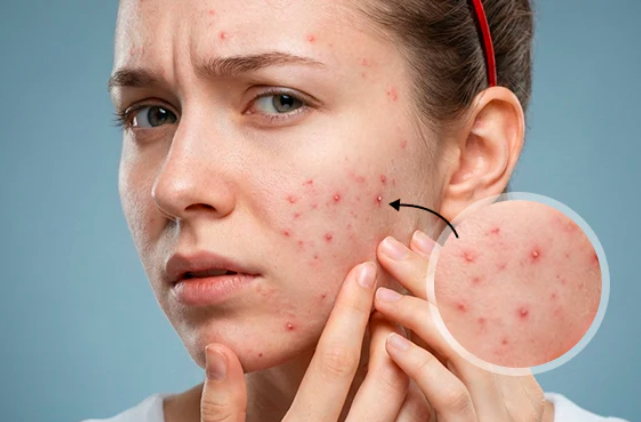
Can being sick cause acne is mainly linked to indirect effects rather than illness itself directly creating pimples. When you are sick, your body produces more stress hormones like cortisol, which increases oil production in the skin and can clog pores. At the same time, dehydration, fever, and poor sleep weaken skin balance and slow down its natural repair process.
The immune system also becomes focused on fighting infection, so it becomes less effective at controlling acne-causing bacteria on the skin. In some cases, medications like steroids can further trigger breakouts. Overall, sickness creates internal changes that make acne more likely to appear or worsen temporarily.
Why You May Break Out When Sick?
When you are sick, your body experiences internal stress, hormonal changes, and reduced immunity. These factors disturb skin balance and often lead to temporary breakouts.
Increased Stress Hormones
Illness raises cortisol levels in the body, which increases oil production in the skin. Extra oil can clog pores and trigger acne. It also makes existing pimples more inflamed.
Weakened Immune System
While fighting illness, the immune system becomes less active in controlling skin bacteria. This allows acne-causing bacteria to grow more easily. As a result, breakouts may increase or heal slowly.
Dehydration and Dry Skin
Fever and low fluid intake can dehydrate the skin. Dehydrated skin may produce more oil to balance itself. This oil buildup can clog pores and cause acne.
Poor Sleep During Illness
Illness often disrupts normal sleep, slowing down skin repair. Poor sleep increases inflammation and affects hormone balance. This can make acne more noticeable.
Touching Your Face More Often
When sick, people tend to touch or wipe their face frequently. This transfers dirt and bacteria to the skin. It increases the risk of clogged pores and new breakouts.
Medications That Can Cause Acne While Sick
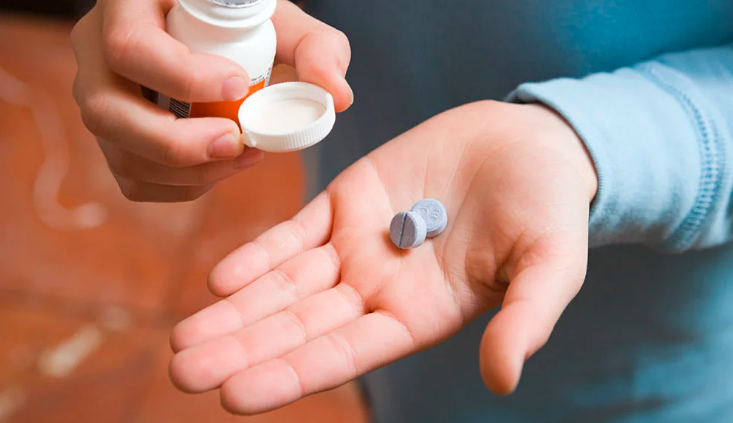
When you are sick, certain medicines used for treatment can unintentionally affect your skin. These medications may change hormone balance, oil production, or skin bacteria, which can lead to temporary breakouts.
Steroids and Corticosteroids
Steroid medicines are sometimes used to reduce inflammation during illness. These drugs can increase oil production in the skin. Extra oil can clog pores and trigger acne-like breakouts, often called steroid acne. This usually appears suddenly during or after treatment.
Cold and Flu Medicines
Some cold and flu medications can indirectly affect skin by drying out the body. When the skin becomes dry, it may produce more oil to compensate.This imbalance can make pores more likely to clog. As a result, mild breakouts may appear during recovery.
Antibiotics and Skin Reactions
Antibiotics help fight infections but can also disturb the natural balance of good and bad bacteria. This includes bacteria on the skin.When skin bacteria balance changes, acne flare-ups may occur temporarily. These breakouts usually settle after the medication course is finished.
Illnesses Commonly Linked to Acne Flare-Ups
Some illnesses do not directly cause acne, but they create stress, inflammation, and hormonal imbalance in the body. These internal changes can trigger or worsen acne temporarily during sickness or recovery.
- Cold and Flu: Cold and flu put stress on the body, which increases cortisol levels and affects skin oil production. This can make pores more likely to clog. Poor rest and dehydration during flu also contribute to breakouts.
- COVID-19: COVID-19 can affect the body in multiple ways, including fatigue, inflammation, and changes in routine. Wearing masks for long hours may also trap sweat and oil on the skin. These factors can lead to acne flare-ups in some people.
- Fever and Infections: Fever increases body temperature and causes sweating, which can mix with oil and clog pores. Infections also weaken the immune response, making it harder for the skin to control bacteria. This combination may trigger temporary acne breakouts.
Can Fever Cause Pimples?
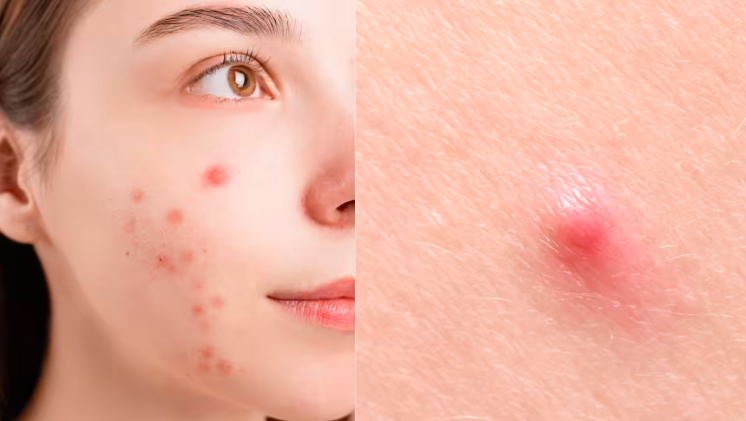
Fever does not directly create pimples, but it changes internal body conditions that can trigger acne. Increased heat, sweat, and stress during fever can make the skin more prone to breakouts.
Fever and Skin Inflammation
During fever, the body experiences increased inflammation as part of the immune response. This can make existing acne more red, sensitive, and noticeable. It may also slow down the healing of current pimples.
Sweat and Bacteria Buildup
Fever often causes excessive sweating, which mixes with oil and dirt on the skin. This can block pores and create an environment for acne-causing bacteria to grow. As a result, small pimples or bumps may appear temporarily.
Hormonal Changes During Illness
When you are sick, your body temporarily changes hormone levels due to stress and recovery processes. These hormonal shifts can affect your skin’s oil balance, which we will discuss more in the points below.
- Cortisol and Oil Production: During illness, cortisol levels increase as a stress response in the body. This hormone signals the skin to produce more oil than normal. Excess oil can mix with dead skin cells and clog pores, leading to acne.
- Temporary Hormonal Imbalance: Illness can temporarily disturb the natural balance of hormones in your body. This imbalance makes the skin more reactive and sensitive. As a result, acne may appear or become more noticeable until the body fully recovers.
Does Dehydration Make Acne Worse?
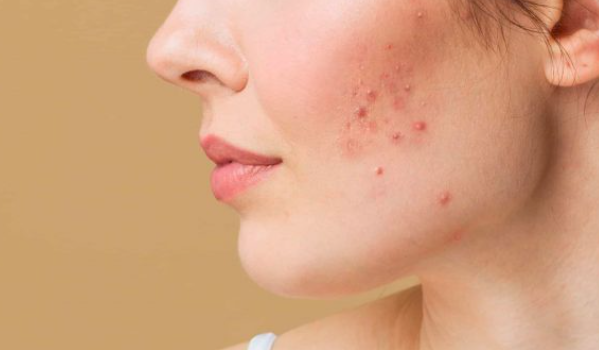
Yes, dehydration can make acne worse because it disturbs the skin’s natural moisture and oil balance. When the body lacks enough water, the skin may become dry and start producing extra oil to compensate.
This excess oil can mix with dead skin cells and clog pores more easily. Dehydrated skin also becomes more sensitive and less able to heal quickly from inflammation. As a result, existing acne may look more irritated and new breakouts can appear more easily.
Can Stress From Being Sick Cause Acne?
Yes, stress from being sick can contribute to acne because it affects hormones and skin oil production. When the body is under physical or emotional stress, it releases more cortisol, which can increase sebum production.
This extra oil can clog pores and create a better environment for acne-causing bacteria. Stress also slows down the skin’s natural healing process, making existing pimples take longer to recover. As a result, illness-related stress can temporarily worsen acne or trigger new breakouts.
How to Prevent Acne When You’re Sick?
When you are sick, your skin becomes more sensitive due to stress, dehydration, and hormonal changes. Taking simple care steps can help reduce the chance of breakouts and keep your skin balanced during recovery.
Stay Hydrated
Drinking enough water helps maintain your skin’s moisture balance. Proper hydration prevents the skin from becoming too dry or overproducing oil. This reduces the chances of clogged pores and acne.
Wash Your Face Gently
Clean your face with a mild cleanser to remove sweat, oil, and bacteria. Avoid harsh scrubbing because it can irritate already sensitive skin. Gentle cleansing helps keep pores clean without causing extra inflammation.
Change Pillowcases Regularly
Pillowcases can collect sweat, oil, and germs while you are sick. Sleeping on a clean pillowcase reduces contact with bacteria. This simple habit can help prevent acne flare-ups.
Avoid Heavy Creams and Oily Products
Thick or oily skincare products can block pores more easily during illness. Using lightweight, non-comedogenic products helps the skin breathe. This reduces the risk of new breakouts forming.
Best Skincare Tips During Illness
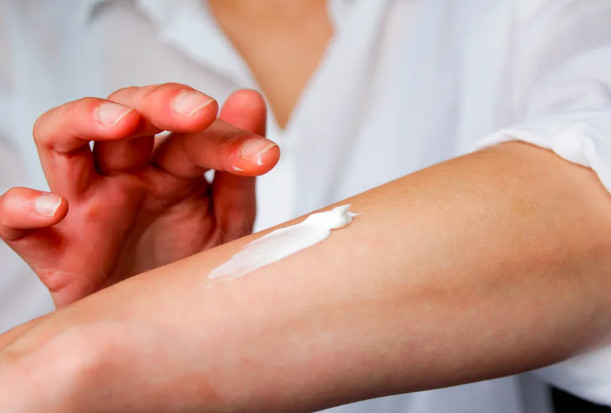
During illness, your skin becomes more sensitive due to hormonal changes, dehydration, and stress. Gentle skincare is important to avoid irritation and reduce the risk of breakouts while your body is recovering.
- Use a Gentle Cleanser: A mild cleanser helps remove dirt, sweat, and excess oil without damaging the skin barrier. Harsh face washes can increase dryness and irritation, which may worsen acne. Keeping cleansing simple helps maintain skin balance.
- Moisturize Properly: Even if your skin feels oily, it still needs hydration during illness. A lightweight, non-comedogenic moisturizer helps protect the skin barrier and prevents excess oil production. This balance reduces the chance of clogged pores.
- Spot Treatments for Pimples: If pimples appear, targeted spot treatments can help reduce inflammation and speed up healing. Ingredients like salicylic acid or benzoyl peroxide are commonly used for this purpose. They should be applied only on affected areas to avoid dryness.
When to See a Doctor?
Acne during illness is often temporary and improves as the body recovers. However, in some cases, it may become severe, persistent, or linked to medication, which requires medical attention for proper treatment.
Severe or Painful Acne
If acne becomes deep, cystic, or very painful, it may indicate a more serious skin inflammation. Such cases do not usually respond well to home care alone. A dermatologist can provide targeted treatment to reduce pain and prevent scarring.
Acne Caused by Medication
Sometimes breakouts appear after starting certain medicines like steroids or strong antibiotics. If you notice acne developing soon after medication use, it may be drug-related. A doctor can adjust the treatment or suggest alternatives.
Persistent Breakouts After Recovery
If acne continues even after you recover from illness, it may not be temporary. Ongoing breakouts can be linked to hormonal imbalance or underlying skin issues. In such cases, professional evaluation is important for long-term skin control.
FAQs
Can viral infections trigger acne breakouts?
Yes, viral infections can indirectly lead to acne by increasing stress levels and inflammation in the body. These changes affect hormone balance and skin oil production. As a result, temporary breakouts may appear during illness.
Does the flu make acne worse?
Flu can worsen acne because it causes dehydration, fatigue, and poor sleep. These factors disturb skin balance and increase oil buildup. This can make existing acne more noticeable.
Can antibiotics improve or worsen acne?
Antibiotics can sometimes improve acne by reducing bacteria, but they may also disturb skin microbiome balance. This imbalance can lead to short-term breakouts. Effects vary depending on the type of medicine and body response.
Why does my skin get oily when I’m sick?
When you are sick, stress hormones like cortisol increase in the body. These hormones stimulate oil glands to produce more sebum. This extra oil can make skin feel greasy and prone to acne.
Can coughing or wiping my nose cause acne?
Frequent wiping or touching of the face can transfer dirt and bacteria to the skin. This can clog pores and cause irritation. Over time, it may contribute to small breakouts around the nose and mouth area.
Does sweating during fever cause pimples?
Sweating during fever can mix with oil and dead skin cells. This mixture can block pores and lead to pimples. It may also increase skin irritation if not cleaned properly.
Can weak immunity affect skin health?
Yes, a weak immune system reduces the body’s ability to control acne-causing bacteria. This imbalance can make the skin more prone to inflammation. As a result, breakouts may become more frequent.
Conclusion
Can being sick cause acne is best understood as an indirect relationship. Illness does not directly produce acne, but it creates internal changes such as stress, dehydration, hormonal imbalance, and medication effects that can trigger breakouts.
With proper hydration, gentle skincare, good sleep, and stress management, acne during sickness can be controlled and minimized effectively.
Related Articles
Behavioral Health Billing: Complete Guide to Process, Coding, Claims, and Compliance
The American Worker Health Insurance Explained: Plans, Benefits, Costs, and Complete Guide
Are Allergies Hereditary? Understanding Genetics, Risk Factors & Evidence-Based Prevention
Heart Pain While Exercising: Causes, Warning Signs, and When to Call 911
Contributory Health Service Scheme: Benefits, Eligibility, Registration and Healthcare Coverage


