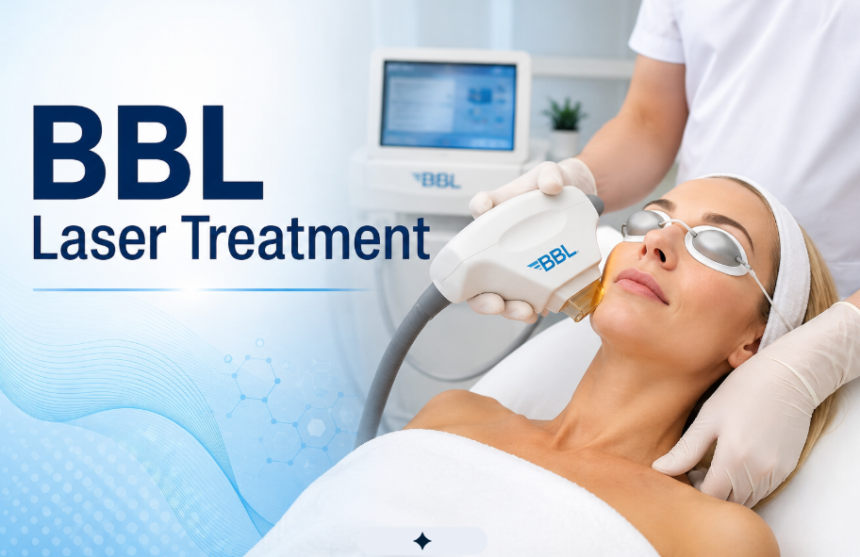
1. Introduction to BBL Laser Treatment
Skin care technology has come a long way, and one of the most talked-about advancements in recent years is the BBL laser. If you’ve ever scrolled through skincare forums or spoken to a dermatologist about fixing sun spots, redness, or uneven skin tone, chances are you’ve heard this term mentioned more than once. BBL laser treatment has quickly become a go-to solution for people who want smoother, more even-toned skin without going through surgery or long recovery periods.
This treatment was developed by Sciton, a well-known name in the medical aesthetics industry, and has since been adopted by skin clinics and dermatology practices around the world. Unlike some skin treatments that promise quick fixes but deliver little in the way of lasting results, BBL laser therapy is backed by real science and has built a reputation for producing visible, long-term improvements in skin health.
2. What Does BBL Stand For?
BBL stands for BroadBand Light. The name itself gives a clue about how the treatment works — it uses a broad spectrum of light wavelengths rather than a single, narrow beam like traditional lasers do.
Many people confuse BBL with standard IPL treatments, and while they share some similarities, they are not exactly the same. Traditional IPL machines have existed for years and are used in many salons and clinics. BBL, on the other hand, is considered a more advanced and refined version of this light-based technology, offering better precision, more comfort during treatment, and generally more consistent results.
The key difference lies in the way BBL delivers energy to the skin. It uses a patented technology that filters light more effectively, allowing practitioners to customize treatments for specific skin concerns and skin tones. This makes BBL laser treatment a more targeted and controlled option compared to older light-based therapies.
3. How Does BBL Laser Work?
Understanding the science behind BBL laser treatment can help you feel more confident about the procedure. At its core, BBL uses light energy that penetrates the skin and is absorbed by specific targets — such as melanin (the pigment responsible for skin color and spots) or hemoglobin (found in blood vessels).
When the light energy is absorbed by these targets, it converts into heat. This heat damages the targeted cells or vessels without harming the surrounding healthy skin. Over the following days and weeks, the body naturally breaks down and removes this damaged tissue, revealing fresher, more even-toned skin underneath.
BBL machines can adjust their wavelength settings depending on what’s being treated. For example, treating sun spots requires a different wavelength than treating redness or broken blood vessels. This adaptability is one of the main reasons dermatologists prefer BBL laser treatment over older, less flexible technologies.
Additionally, BBL treatments are known to stimulate collagen production. Collagen is the protein responsible for keeping skin firm and youthful. As the skin heals from the controlled heat exposure, it naturally ramps up collagen production, which can lead to smoother, plumper-looking skin over time.
4. What Skin Conditions Does BBL Treat?
One of the biggest reasons BBL laser treatment has become so popular is its ability to address a wide variety of skin issues in a single treatment plan. Below is a breakdown of the most common concerns it helps with:
- Sun damage and age spots: Years of sun exposure often lead to dark spots and uneven pigmentation. BBL targets these spots directly, breaking down excess pigment.
- Redness and rosacea: For those dealing with chronic facial redness, BBL can reduce the appearance of blotchy skin by targeting the blood vessels causing the discoloration.
- Broken capillaries and vascular lesions: Small, visible blood vessels on the face or body can be treated effectively using BBL’s vascular settings.
- Uneven skin tone and texture: Beyond pigmentation, BBL can also improve overall skin texture, making it feel smoother.
- Acne scars: While not a primary treatment for deep scarring, BBL can help soften the appearance of mild acne scars over time.
- Fine lines and early aging signs: Thanks to its collagen-boosting effects, BBL is often used as a preventative treatment against early signs of aging.
5. Who Is a Good Candidate for BBL?
Not everyone is an ideal candidate for BBL laser treatment, and understanding this beforehand can save time and set realistic expectations.
Generally, people with lighter to medium skin tones tend to see the best results, since the treatment relies on contrast between the pigment in spots or vessels and the surrounding skin. That said, advancements in technology have made it safer for a wider range of skin tones, though a consultation with a qualified professional is essential to avoid complications like hyperpigmentation.
BBL laser treatment tends to work well for adults dealing with early to moderate signs of sun damage, redness, or uneven texture. It’s often recommended as a maintenance treatment for those who want to keep their skin looking fresh over the years, rather than as a one-time fix for severe skin damage.
However, some people should avoid this treatment altogether. This includes individuals who are pregnant, have very dark or deeply tanned skin (due to higher risk of pigmentation issues), have active skin infections, or are taking certain medications that increase photosensitivity, such as some acne medications. A proper consultation with a dermatologist or licensed practitioner is always necessary before moving forward.
6. BBL Treatment Process – Step by Step
Knowing what to expect during a BBL laser session can ease any nervousness about the procedure. Here’s a simple breakdown of the typical process:
| Step | What Happens |
| Consultation | The practitioner examines your skin, discusses your goals, and determines the right settings for your skin type. |
| Preparation | Makeup and oils are removed, and a cooling gel is often applied to protect the skin during treatment. |
| Protective eyewear | You’ll be given goggles to protect your eyes from the light exposure. |
| Treatment | The device is passed over the target area, delivering pulses of light. Most people describe the sensation as a mild snapping feeling, similar to a rubber band flick. |
| Cooling | A cooling device or gel is used immediately after to soothe the skin. |
| Aftercare instructions | The practitioner will provide guidance on how to care for your skin in the following days. |
A typical BBL session can take anywhere from 20 to 45 minutes, depending on the size of the area being treated and the specific concerns being addressed.
7. Number of Sessions Needed
Most people don’t see dramatic results after just one BBL laser session — and that’s completely normal. Since this treatment works gradually by encouraging the body’s natural healing process, multiple sessions are usually recommended for the best outcome.
On average, practitioners suggest three to five sessions spaced about three to four weeks apart. This spacing allows the skin enough time to heal and regenerate between treatments. Factors such as the severity of sun damage, skin sensitivity, and individual healing speed can all influence how many sessions are ultimately needed.
Many people also choose to continue with maintenance sessions every few months even after achieving their desired results, especially if they want to keep ongoing sun damage or redness at bay.
8. Benefits of BBL Laser Treatment
There are several reasons BBL laser treatment continues to gain popularity among dermatology patients and skincare enthusiasts alike:
- Non-invasive procedure: There’s no cutting, no needles, and no surgery involved.
- Minimal downtime: Most people can return to their daily activities almost immediately after treatment.
- Long-term skin rejuvenation: Results tend to build over time, offering lasting improvements rather than a temporary glow.
- Boosts natural collagen production: This contributes to firmer, healthier-looking skin over time.
- Treats multiple concerns at once: Instead of needing separate treatments for redness, pigmentation, and texture, BBL can address several issues simultaneously.
9. Side Effects and Risks
Like any cosmetic treatment, BBL laser therapy does come with some potential side effects, although they are generally mild and temporary.
Right after treatment, it’s common to experience redness and slight swelling in the treated area, similar to a mild sunburn. Some people also notice that pigmented spots appear darker for a few days before flaking off naturally — this is actually a normal part of the healing process rather than a cause for concern.
In rare cases, more serious side effects can occur, including blistering, changes in skin pigmentation, or scarring, particularly if the treatment isn’t performed correctly or if aftercare instructions aren’t followed. This is why choosing an experienced, licensed practitioner is so important.
To minimize risks, it’s essential to disclose your full medical history during the consultation, avoid sun exposure before and after treatment, and strictly follow all aftercare guidelines provided by your practitioner.
10. Aftercare and Recovery Tips
Proper aftercare plays a huge role in how well your skin heals and how effective your BBL laser treatment ultimately is. In the days following treatment, it’s important to keep the skin gently moisturized and avoid harsh products like retinoids or exfoliating acids until the skin has fully healed.
Sun protection becomes non-negotiable after a BBL session. Since the skin is more sensitive to UV exposure during the healing process, applying a broad-spectrum sunscreen daily is crucial not just for comfort, but to prevent new pigmentation issues from forming.
It’s also best to avoid strenuous exercise, hot showers, saunas, and swimming pools for at least a few days after treatment, as excessive heat can irritate freshly treated skin. Makeup is usually safe to apply after 24 hours, though it’s wise to confirm this with your practitioner based on your specific skin reaction.
11. BBL vs Other Laser Treatments
It’s common to wonder how BBL laser treatment compares to other popular skin treatments. Here’s a simple comparison:
| Treatment | Best For | Downtime | Key Difference |
| BBL Laser | Pigmentation, redness, texture | Minimal | Uses broad wavelengths for versatile treatment |
| Traditional IPL | Similar concerns, less advanced | Minimal | Less precise, older technology |
| Fractional Laser | Deep scarring, wrinkles | Moderate to significant | Creates micro-injuries for deeper skin remodeling |
| Chemical Peels | Surface-level texture and tone | Varies by peel strength | Uses chemical exfoliation instead of light energy |
While fractional lasers may be more effective for deep scarring or significant wrinkles, BBL laser treatment tends to be gentler and better suited for people looking for overall skin rejuvenation without extensive downtime.
12. Cost of BBL Laser Treatment
The cost of BBL laser treatment can vary widely depending on location, the clinic’s reputation, the size of the treatment area, and how many sessions are required. On average, a single session can range from around $300 to $600, though prices can be higher in metropolitan areas or with highly experienced practitioners.
Since most people need multiple sessions for optimal results, it’s worth asking clinics about package deals, which often reduce the overall per-session cost. While BBL laser treatment is considered an investment, many people find it worthwhile given the long-term improvements to skin tone, texture, and overall confidence.
13. Real Results – Before & After Expectations
It’s important to have realistic expectations when considering BBL laser treatment. Results tend to build gradually, with noticeable improvements often appearing within a few weeks after each session as the skin heals and regenerates.
Most people notice a reduction in the appearance of sun spots, more even skin tone, and a subtle glow following their treatment sessions. However, BBL isn’t a magic solution for deep wrinkles, significant scarring, or loose skin — those concerns typically require more intensive treatments.
Setting realistic goals and understanding that BBL laser treatment works best as part of an ongoing skincare routine, rather than a one-time miracle fix, will help you feel more satisfied with your results.
14. Frequently Asked Questions (FAQs)
Is BBL painful? Most people describe the sensation as a mild snapping feeling rather than significant pain. Numbing cream can be applied for those with lower pain tolerance.
How long do results last? Results can last several months to a few years, depending on lifestyle factors like sun exposure and skincare habits. Maintenance sessions can help prolong results.
Can BBL be combined with other treatments? Yes, many practitioners combine BBL with other treatments like microneedling or laser resurfacing for enhanced results, though this should always be discussed during a consultation.
Is BBL safe for all skin tones? While BBL can be adjusted for various skin tones, those with darker skin should proceed cautiously and consult an experienced practitioner to minimize the risk of pigmentation changes.
15. Conclusion
BBL laser treatment has earned its place as one of the most effective, versatile options for people looking to improve sun damage, redness, and overall skin texture without invasive procedures. Its ability to target multiple skin concerns at once, combined with minimal downtime and long-term benefits, makes it an appealing choice for many people seeking healthier, more radiant skin.
That said, like any cosmetic treatment, success largely depends on choosing a qualified, experienced practitioner and following proper aftercare guidelines. If you’re considering BBL laser treatment, scheduling a consultation with a licensed dermatologist or skincare professional is the best first step toward understanding whether it’s the right fit for your unique skin needs.
RELATED ARTICLES
Can Wisdom Tooth Regrow After Removal?
Can You Get Disability for Depression? Here’s What You Need to Know
Could Asthma Kill You? The Warning Signs Most People Ignore
Can Dry Eyes Cause Blindness? Causes, Symptoms, Treatment, and Prevention
Why Is My Root Canal Tooth Hurting After Years? Causes & Fixes