Introduction
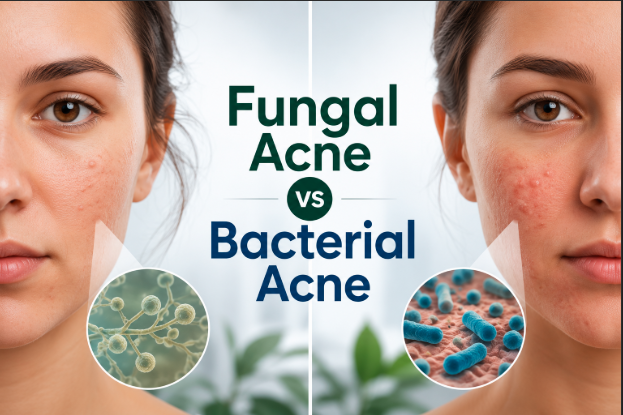
Many people struggle with recurring breakouts and assume that every pimple is caused by traditional acne. However, not all acne-like bumps are the same. One of the most common sources of confusion is fungal acne vs bacterial acne. Although these two skin conditions may appear similar at first glance, they have different causes, symptoms, and treatment methods.
Understanding the difference between fungal acne and bacterial acne is important because using the wrong treatment can make your skin worse instead of better. A product that works well for bacterial acne may not improve fungal acne at all. In some cases, it can even trigger more breakouts.
This guide explains everything you need to know about fungal acne vs bacterial acne in simple and easy-to-understand language, helping you identify the condition and choose the right treatment approach.
Understanding Fungal Acne
What Is Fungal Acne?
Fungal acne is a skin condition medically known as Malassezia folliculitis. Despite its name, it is not actually a type of acne. Instead, it occurs when a naturally occurring yeast called Malassezia grows excessively inside hair follicles.
When this yeast multiplies beyond normal levels, it causes inflammation and creates small acne-like bumps on the skin. Because these bumps resemble traditional acne, fungal acne is often mistaken for bacterial acne.
What Causes Fungal Acne?
Several factors can create an environment where yeast thrives and multiplies. Warm temperatures, excessive sweating, and humid climates are among the most common triggers. Tight clothing that traps moisture against the skin can also contribute to the condition.
Other contributing factors include:
- Oily skin.
- Excessive sweating.
- Humid weather conditions.
- Long-term antibiotic use.
- Weakened immune function.
- Poor ventilation around the skin.
The yeast feeds on skin oils, making oily areas particularly vulnerable to fungal acne breakouts.
Common Symptoms of Fungal Acne
One of the easiest ways to recognize fungal acne is by its appearance. The bumps usually look almost identical in size and shape. They often appear in clusters and may be accompanied by itching.
Common symptoms include:
- Small uniform bumps.
- Persistent itching.
- Redness around affected follicles.
- Sudden outbreaks.
- Clusters of tiny pustules.
Unlike traditional acne, fungal acne rarely forms blackheads or deep cysts.
Areas Commonly Affected
Fungal acne tends to appear in areas where sweat and oil accumulate. Common locations include:
- Forehead.
- Hairline.
- Chest.
- Upper back.
- Shoulders.
- Neck.
People who exercise frequently may notice flare-ups in these regions after intense workouts.
Understanding Bacterial Acne
What Is Bacterial Acne?
Bacterial acne, also known as acne vulgaris, is the most common form of acne. It develops when pores become clogged with excess oil, dead skin cells, and bacteria.
As the pore becomes blocked, inflammation develops, leading to different types of blemishes such as whiteheads, blackheads, pimples, nodules, and cysts.
What Causes Bacterial Acne?
Bacterial acne is influenced by multiple factors. Hormonal changes often increase oil production, creating ideal conditions for clogged pores.
The most common causes include:
- Excess sebum production.
- Dead skin cell buildup.
- Bacterial growth inside pores.
- Hormonal fluctuations.
- Genetic predisposition.
- Stress-related inflammation.
Because several factors contribute simultaneously, bacterial acne can vary greatly in severity from person to person.
Types of Bacterial Acne
Bacterial acne can appear in multiple forms, including:
| Acne Type | Description |
|---|---|
| Blackheads | Open clogged pores that appear dark |
| Whiteheads | Closed clogged pores beneath the skin |
| Papules | Small red inflamed bumps |
| Pustules | Pimples containing pus |
| Nodules | Large painful lumps beneath the skin |
| Cysts | Deep, severe, inflamed lesions |
The presence of multiple lesion types is one of the strongest indicators of bacterial acne.
Fungal Acne vs Bacterial Acne: Key Differences
When comparing fungal acne vs bacterial acne, several important differences become apparent.
| Feature | Fungal Acne | Bacterial Acne |
| Cause | Yeast overgrowth | Clogged pores and bacteria |
| Itching | Common | Rare |
| Blackheads | Usually absent | Common |
| Bump Size | Uniform | Varies |
| Pain | Mild irritation | Can be painful |
| Location | Forehead, chest, back | Face, jawline, chin |
| Treatment | Antifungal products | Acne medications |
The itching factor is often one of the easiest ways to distinguish fungal acne from bacterial acne. While bacterial acne may be tender or painful, fungal acne is more likely to itch.
Visual Signs: How to Tell Which One You Have
Identifying fungal acne vs bacterial acne can be challenging because both conditions create red bumps on the skin. However, certain clues can help.
If every bump looks nearly identical and appears in dense clusters, fungal acne becomes more likely. The presence of itching strengthens this possibility.
On the other hand, bacterial acne typically creates a mixture of blemishes. You may see blackheads, whiteheads, inflamed pimples, and larger cystic lesions all at the same time.
A simple comparison can help:
Signs of Fungal Acne
- Uniform bumps.
- Itchy skin.
- Sudden outbreaks.
- Clusters on chest or back.
- No blackheads.
Signs of Bacterial Acne
- Mixed blemish types.
- Blackheads and whiteheads.
- Painful pimples.
- Hormonal flare-ups.
- Risk of scarring.
It is also possible for both conditions to exist simultaneously, making professional evaluation necessary in persistent cases.
Common Triggers
Triggers for Fungal Acne
Fungal acne often worsens when the skin becomes warm and moist. Sweating provides ideal conditions for yeast growth.
Common triggers include:
- Hot weather.
- Intense exercise.
- Tight athletic clothing.
- Oily skincare products.
- Excessive humidity.
Triggers for Bacterial Acne
Bacterial acne is influenced by a wider range of internal and external factors.
Common triggers include:
- Hormonal changes.
- Stress.
- Poor skincare habits.
- Heavy cosmetic products.
- Excess oil production.
Understanding triggers can help reduce future breakouts and improve long-term skin health.
Diagnosis
Proper diagnosis is essential because treatments differ significantly.
Dermatologists usually begin with a visual examination. The pattern of breakouts, the presence of itching, and lesion type often provide valuable clues.
In uncertain cases, a skin scraping or laboratory test may be performed to identify yeast overgrowth. This helps confirm fungal acne and rule out other skin disorders.
Many people self-diagnose incorrectly, which is why persistent acne-like symptoms should be evaluated by a skincare professional.
Treatment of Fungal Acne
Treating fungal acne requires targeting the yeast responsible for the condition.
Effective Treatment Options
Common treatments include:
- Antifungal shampoos used as body washes.
- Ketoconazole-based products.
- Selenium sulfide treatments.
- Prescription antifungal medications.
- Lifestyle modifications.
Improvement often occurs within a few weeks when the correct treatment is used consistently.
Ingredients That May Help
Several ingredients are commonly used to manage fungal acne:
- Ketoconazole.
- Zinc Pyrithione.
- Selenium Sulfide.
These ingredients help reduce yeast growth and minimize inflammation.
Lifestyle Adjustments
In addition to medication, lifestyle changes can support recovery. Showering after workouts, changing sweaty clothes quickly, and wearing breathable fabrics can reduce the likelihood of flare-ups.
Treatment of Bacterial Acne
Bacterial acne requires a different treatment strategy focused on unclogging pores and reducing inflammation.
Common Treatment Ingredients
Several ingredients are widely used to treat bacterial acne:
| Ingredient | Main Benefit |
| Benzoyl Peroxide | Reduces acne-causing bacteria |
| Salicylic Acid | Unclogs pores |
| Retinoids | Promote skin cell turnover |
| Antibiotics | Control bacterial growth |
| Hormonal Treatments | Manage hormone-related acne |
Consistency is crucial. Most treatments require several weeks before significant improvements become visible.
Professional Treatment Options
Dermatologists may recommend stronger solutions for severe acne, including prescription medications, chemical peels, laser therapies, or hormonal treatments.
Skincare Routine for Fungal Acne
A fungal acne-friendly skincare routine should focus on keeping the skin clean while avoiding products that encourage yeast growth.
A gentle cleanser can remove excess oil without disrupting the skin barrier. Lightweight, non-comedogenic moisturizers are generally preferred over heavy creams.
Regular cleansing after exercise is particularly important because sweat can contribute to fungal acne flare-ups.
Avoiding overly oily products may also help reduce recurring breakouts.
Skincare Routine for Bacterial Acne
A bacterial acne skincare routine should prioritize pore-clearing ingredients while maintaining skin hydration.
A basic routine typically includes cleansing, treatment products, moisturizing, and daily sunscreen use. Over-cleansing should be avoided because it may irritate the skin and worsen inflammation.
Patience is important, as bacterial acne often improves gradually rather than overnight.
Prevention Strategies
Preventing fungal acne vs bacterial acne requires addressing their unique triggers.
For fungal acne, reducing sweat buildup and maintaining good hygiene can make a significant difference. Wearing breathable clothing and showering after workouts are simple but effective measures.
For bacterial acne, consistent skincare, stress management, and choosing non-comedogenic products can help reduce the frequency of breakouts.
Healthy lifestyle habits often contribute to better overall skin health regardless of the type of acne.
Common Myths and Misconceptions
Many misconceptions exist regarding fungal acne vs bacterial acne.
One common myth is that fungal acne is simply another form of traditional acne. In reality, the two conditions have completely different underlying causes.
Another misconception is that stronger scrubbing removes acne faster. Excessive scrubbing can irritate the skin and worsen inflammation.
Some people also believe all acne products work for every breakout type. However, fungal acne often requires antifungal treatment rather than standard acne medications.
When to See a Dermatologist
Professional medical advice should be considered when breakouts do not improve despite consistent treatment.
You should consult a dermatologist if you experience:
- Severe itching.
- Painful cysts.
- Frequent recurrence.
- Significant inflammation.
- Permanent scarring.
- Failure of over-the-counter treatments.
Early diagnosis can prevent unnecessary frustration and help you achieve clearer skin more quickly.
Conclusion
Understanding fungal acne vs bacterial acne is essential for choosing the right treatment and achieving healthier skin. While both conditions may look similar, fungal acne results from yeast overgrowth within hair follicles, whereas bacterial acne develops due to clogged pores, excess oil, and bacterial activity.
Fungal acne typically presents as itchy, uniform bumps, while bacterial acne often includes blackheads, whiteheads, pimples, and cysts of varying sizes. Because the causes differ, treatment approaches must also differ.
By learning the signs, symptoms, triggers, and treatment options associated with fungal acne vs bacterial acne, you can make more informed skincare decisions and seek professional guidance when necessary.
Related Articles
Does Cataract Cause Headaches? Causes, Symptoms, Treatment, and Prevention Guide
Susquehanna Health and Wellness Center: Complete Guide to Rehabilitation, and Resident Care
Mercer Health Online Nursery: Features, Benefits, Access, and Newborn Announcements Guide
Headache After Chiropractor: Causes, Symptoms, Relief, and Recovery Guide
Does Cataract Cause Headaches? Causes, Symptoms, Treatment, and Prevention Guide