
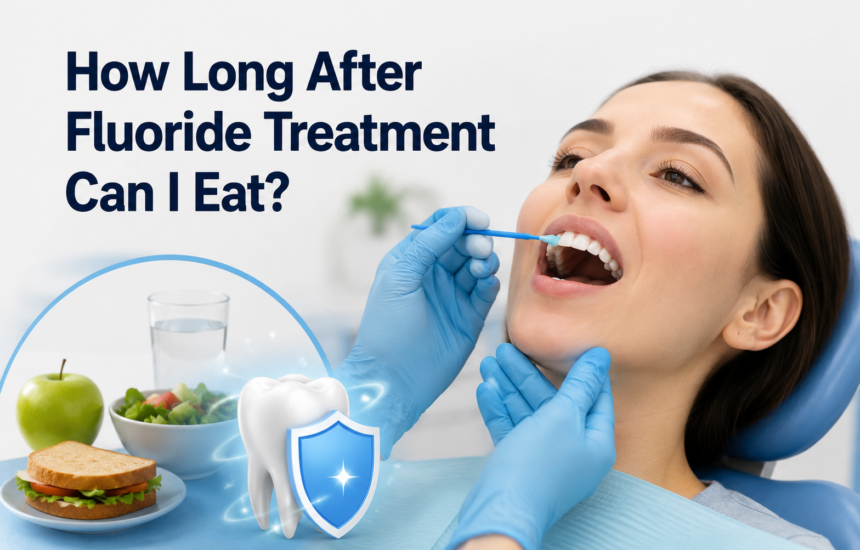
The short answer to how long after fluoride treatment can I eat is at least thirty minutes, though many dentists recommend waiting a full hour for the best results. This waiting period gives the fluoride enough time to bond properly with the enamel surface.
Eating or drinking too soon can wash away the protective layer before it has finished absorbing. The exact wait time can vary slightly depending on whether you received a varnish, gel, or foam application.
Children and adults follow the same general guideline, though dentists often remind parents to watch young kids closely during this window. Once the waiting period passes, easing back into food with soft, non-irritating choices is the safest approach.
What Happens During a Fluoride Treatment?
A fluoride treatment is a quick, painless procedure usually done at the end of a routine dental cleaning. The dentist applies a concentrated fluoride product directly onto the surface of the teeth, and the sections below explain how this is typically done and why it strengthens enamel.
How Fluoride Is Applied
Fluoride can be applied as a varnish painted onto the teeth with a small brush, a gel placed in a tray that sits over the teeth for a few minutes, or a foam applied the same way as gel. Varnish hardens quickly on contact with saliva, while gel and foam need a short holding period in the mouth before rinsing.
How Fluoride Strengthens Enamel
Fluoride works by bonding with the minerals in tooth enamel, forming a compound called fluorapatite that resists acid attacks better than natural enamel alone. This process, called remineralization, helps repair tiny areas of early decay before they turn into cavities. The longer the fluoride stays undisturbed on the tooth surface, the more effective this bonding process becomes.
How Long Should You Wait Before Eating or Drinking?
The general rule most dentists give is a thirty-minute minimum wait, though the exact timing depends on the type of fluoride used. The next sections cover the standard rule, the one-hour recommendation, and how varnish differs from gel or foam.
The Standard 30-Minute Rule
Most dental offices instruct patients to avoid eating or drinking for at least thirty minutes after treatment. This is considered the minimum safe window for the fluoride to set on the enamel surface. Rinsing the mouth with water is usually discouraged during this time as well, since it can dilute the treatment.
Why Some Dentists Recommend a Full Hour
Some dental professionals extend the recommendation to a full hour, especially after a stronger varnish application. A longer wait allows deeper absorption into the enamel, which can be particularly useful for patients with a higher risk of cavities. This extra time rarely causes inconvenience since it simply means finishing a meal beforehand.
Varnish vs. Gel or Foam Wait Times
Varnish hardens almost immediately after contact with saliva, so the thirty-minute window is usually enough before eating soft foods. Gel and foam treatments sit in a tray for several minutes and may need slightly longer to fully set, which is why some clinics recommend waiting closer to an hour after these applications.
Quick Comparison: Fluoride Type and Wait Time
| Fluoride Type | Application Method | Recommended Wait Time |
| Varnish | Painted on with a brush | 30 minutes |
| Gel | Held in a tray | 30–60 minutes |
| Foam | Held in a tray | 30–60 minutes |
Why Waiting Matters?
The waiting period isn’t just a precaution; it directly affects how well the fluoride protects your teeth. Understanding the science makes it easier to see why patience pays off here.
Fluoride Absorption Into Enamel
Fluoride ions need direct, undisturbed contact with the tooth surface to absorb properly into the enamel. This absorption process continues gradually during the waiting window, strengthening weak spots and building resistance against future acid exposure. Interrupting this contact too early reduces how much fluoride actually gets absorbed.
Risk of Washing the Treatment Away Too Soon
Eating, drinking, or rinsing before the recommended time can physically remove fluoride from the tooth surface before it fully sets. Chewing motion, saliva mixing with food, and liquid rinsing all speed up this removal. When this happens, the treatment’s effectiveness drops significantly, sometimes making the visit less beneficial than intended.
What You Can Eat After the Waiting Period?
Once the waiting time is over, food choices still matter for the rest of the day. The following sections list safe options and foods worth avoiding temporarily.
Soft, Non-Acidic Food Recommendations
Foods such as mashed potatoes, yogurt, scrambled eggs, soft pasta, and smoothies are gentle on freshly treated teeth. These options require minimal chewing pressure and are low in acidity, which helps protect the enamel while it continues to strengthen after the appointment.
Foods and Drinks to Avoid for 24 Hours
Hot beverages, hard or crunchy snacks, sticky candy, citrus fruits, and carbonated or alcoholic drinks are best avoided for the rest of the day. These items can irritate the treated surface, dissolve residual fluoride, or introduce acids that counteract the treatment’s benefits.
Safe Foods vs. Foods to Avoid (First 24 Hours)
| Safe to Eat | Better to Avoid |
| Mashed potatoes | Hot coffee or tea |
| Yogurt | Crunchy chips or nuts |
| Scrambled eggs | Citrus fruits or juice |
| Soft pasta | Carbonated soda |
| Smoothies | Sticky candy |
What Happens If You Eat Too Soon?
Eating before the recommended window has passed isn’t dangerous, but it does reduce the value of the treatment. Here’s what typically happens and when it’s worth reaching out to your dentist.
Reduced Fluoride Effectiveness
Eating too early simply lowers how much fluoride the enamel absorbs, rather than causing harm. The protective benefit of the visit becomes weaker, which may mean the enamel gets less resistance to decay than it would have with a full waiting period.
When to Contact Your Dentist
If eating happened only a few minutes early, there is usually no need to worry or call the office. However, if a child swallowed a large amount of fluoride gel or foam, or if unusual symptoms like nausea or stomach discomfort appear, contacting the dentist or a poison control line is a reasonable precaution.
Fluoride Treatment Aftercare Tips
A few simple habits after the appointment help the fluoride treatment work as effectively as possible, for both adults and children.
Brushing and Flossing Timing
It’s best to avoid brushing or flossing for several hours after treatment, and many dentists recommend waiting until the next morning. Brushing too soon can physically scrub away the fluoride layer before it has finished bonding with the enamel.
Drinking Water vs. Other Beverages
Plain water is generally the safest option once the waiting period ends, since it doesn’t carry acids or sugars that could interfere with the treatment. Other beverages, especially hot drinks, juice, or soda, are better saved for later in the day.
Tips for Children After Fluoride Treatment
Parents should keep an eye on young children immediately after treatment, since kids may forget the instructions and reach for a snack too soon. Packing a soft snack for after the waiting period, like applesauce or a banana, makes it easier to stick to the guidelines without a fuss.
What Dental Guidance Generally Agrees On
Across most dental clinics and professional guidance, the consistent advice is a thirty-minute to one-hour wait after fluoride treatment, avoiding hot or acidic foods for the rest of the day, and delaying brushing until several hours later.
Minor differences exist between practices mainly based on the fluoride product used, but the core waiting-time advice remains the same everywhere.
Frequently Asked Questions
Can I drink water right after fluoride treatment?
It’s best to wait at least thirty minutes before drinking anything, including water, so the fluoride has time to bond with the enamel.
Can I brush my teeth after fluoride treatment?
Brushing should be delayed for several hours, and many dentists suggest waiting until the next morning to avoid scrubbing off the fluoride layer.
How long does fluoride stay on teeth?
The visible varnish or gel layer wears off within a few hours, but the absorbed fluoride continues strengthening enamel for weeks afterward.
Is it safe to eat immediately if I forget the waiting time?
It isn’t harmful, but the treatment becomes less effective, so it’s worth being more careful next time.
How often should fluoride treatments be done?
Most dentists recommend fluoride treatments every three to six months, depending on individual cavity risk.
Conclusion
Knowing how long after fluoride treatment can I eat comes down to one simple rule: wait thirty minutes to an hour before eating or drinking anything. Stick to soft, non-acidic foods for the rest of the day, delay brushing for several hours, and keep an eye on children right after their appointment.
Following these small steps helps the fluoride bond properly with enamel and gives the treatment its full protective effect. When in doubt, a quick check with your dental office can confirm the exact timing for the product they used.
Related Posts
How to Speed Up Bone Graft Healing: What Actually Works
Can a Gum Infection Kill You? Symptoms, Risks, Treatment & Prevention
Bone Spur Inside Nose: Causes, Symptoms & Treatment