


Bowel leakage, or fecal incontinence, can be an unsettling and embarrassing symptom that many people hesitate to discuss with their doctor — but it’s important not to ignore it.
While it is often caused by non-cancerous conditions like muscle damage or nerve issues, in some cases it may signal something more serious, including certain types of cancer.
In this article, we’ll explore what types of cancer can cause bowel leakage and the key risk factors for colon, rectal, and anal cancer that everyone should be aware of.
What Is Bowel Leakage?

Bowel leakage, medically known as fecal incontinence, refers to the involuntary loss of solid or liquid stool, mucus, or gas from the rectum — occurring without intention or control.
It happens when the muscles and nerves responsible for controlling bowel movements become weakened, damaged, or disrupted, making it difficult to hold in stool until reaching a toilet.
The condition ranges in severity from occasional minor leaks to a complete loss of bowel control, and can affect people of all ages, though it becomes more common with age.
Is Bowel Leakage a Sign of Cancer?
Bowel leakage is not always a sign of cancer — most cases stem from benign conditions like diarrhea, constipation, nerve damage, or childbirth-related injuries. However, it should never be ignored, as it can sometimes signal a more serious underlying condition.
When It Is and When It Isn’t Linked to Cancer
When it likely isn’t cancer, bowel leakage is commonly traced to treatable causes such as IBS, hemorrhoids, rectal prolapse, or weakened sphincter muscles with no other accompanying symptoms.
When it may be linked to cancer, the concern grows if leakage is accompanied by unexplained weight loss, blood in the stool, persistent bowel changes, or rectal pain. Tumors in the colon, rectum, or anal canal can press on surrounding nerves and muscles, disrupting bowel control — making prompt medical evaluation essential.
What Types of Cancer Can Cause Bowel Leakage?
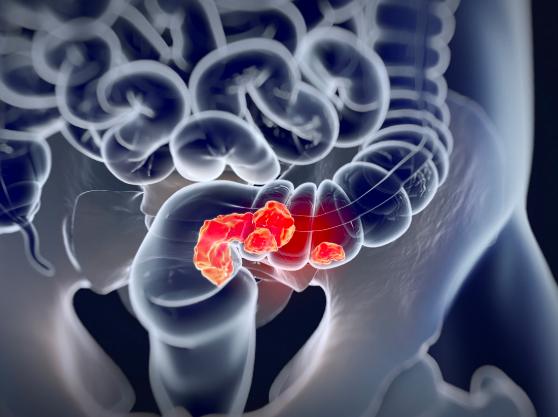
Several cancers can disrupt bowel control by damaging rectal muscles, nerves, or surrounding pelvic structures — here’s what you need to know.
Colon Cancer
Colon cancer can partially block the intestine, altering bowel habits and causing leakage or urgency. It is often accompanied by cramping, bloating, and blood in the stool.
Rectal Cancer
Rectal cancer directly weakens the sphincter muscles responsible for bowel control, leading to involuntary leakage of stool or mucus. Persistent rectal pressure and incomplete evacuation are common accompanying signs.
Anal Cancer
Anal cancer physically damages the sphincter muscle, causing leakage of stool, mucus, or gas. Anal pain, itching, and unusual discharge frequently appear alongside incontinence.
Other Cancer-Related Causes
Tumors in nearby pelvic organs like the bladder, prostate, or ovaries can press against the rectum and disrupt bowel control. Radiation therapy used to treat these cancers can also cause lasting nerve and tissue damage, leading to long-term leakage even after treatment ends.
10 Other Common Causes of Bowel Leakage
Beyond cancer, bowel leakage is most commonly triggered by physical, neurological, or inflammatory conditions that interfere with normal bowel control — here are the key causes.
Nerve Damage (Diabetes & Multiple Sclerosis)
Diseases like diabetes and MS can damage the nerves that control the sphincter and rectal muscles, reducing the ability to sense or hold stool effectively.
Rectal Inflammation (IBD)
Inflammatory bowel diseases like Crohn’s disease and ulcerative colitis cause chronic inflammation that weakens rectal walls and reduces the bowel’s ability to retain stool.
Hemorrhoids
Enlarged hemorrhoids prevent the anal canal from closing completely, allowing stool, mucus, or liquid to leak out unintentionally.
Rectocele
A rectocele occurs when the rectal wall bulges into the vagina, disrupting normal bowel function and making complete evacuation difficult, often leading to leakage.
Neurological Disorders (Dementia & Stroke)
Conditions like dementia and stroke impair the brain’s ability to send proper signals to the bowel, reducing awareness and control over bowel movements.
Muscle Damage
Injury to the sphincter muscles — often from childbirth, surgery, or trauma — directly weakens the ability to hold stool, leading to involuntary leakage.
Chronic Diarrhea
Frequent loose stools put excessive pressure on the sphincter muscles, making it harder to control bowel movements and increasing the risk of leakage.
Chronic Constipation
Severe constipation causes stool to harden and become impacted, forcing liquid stool to leak around the blockage — a condition known as overflow incontinence.
Rectal Prolapse
Rectal prolapse occurs when the rectum slips outside the anal opening, weakening the sphincter and making it nearly impossible to maintain proper bowel control.
Aging
As the body ages, the sphincter muscles naturally lose strength and elasticity, making older adults significantly more susceptible to bowel leakage over time.
Warning Signs That Your Bowel Leakage May Be Serious
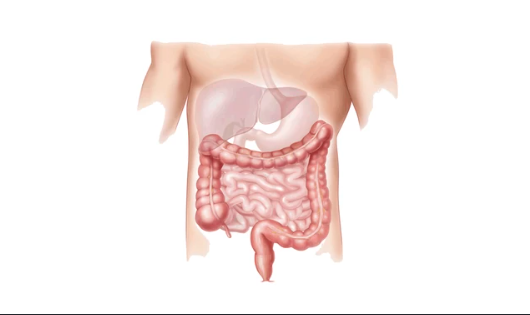
Bowel leakage becomes a serious concern when it is persistent, worsening, or accompanied by specific red flags that may indicate nerve damage, severe infection, or tumors — never ignore these signs.
Blood in the Stool
Noticeable blood in or around the stool is one of the most alarming red flags, potentially signaling colorectal or anal cancer, severe inflammation, or internal bleeding that requires immediate evaluation.
Unexplained Weight Loss
Sudden and unintentional weight loss alongside bowel leakage can indicate an underlying malignancy or serious gastrointestinal condition draining the body’s resources.
Persistent Change in Bowel Habits
A lasting shift in stool consistency, frequency, or appearance that does not resolve on its own may point to a structural problem such as a tumor or advanced nerve damage.
Severe or Worsening Rectal Pain
Ongoing or intensifying pain in the rectal area alongside leakage can suggest tumor growth, abscess formation, or significant nerve involvement requiring urgent medical attention.
Mucus or Pus in the Stool
The presence of mucus or pus alongside leakage often signals active infection, inflammatory bowel disease, or in more serious cases, a cancerous growth in the rectal lining.
Feeling of Incomplete Evacuation
A persistent sensation that the bowel has not fully emptied after a movement can indicate a rectal tumor obstructing normal passage or significant muscle and nerve dysfunction.
Swollen Abdomen or Bloating
Chronic bloating or a visibly swollen abdomen accompanying bowel leakage may point to intestinal obstruction, fluid buildup, or tumor-related pressure on surrounding organs.
Fatigue and Weakness
Unusual and ongoing fatigue without a clear cause, when paired with bowel leakage, can be an early indicator of cancer or chronic blood loss leading to anemia.
Risk Factors for Colon, Rectal & Anal Cancer
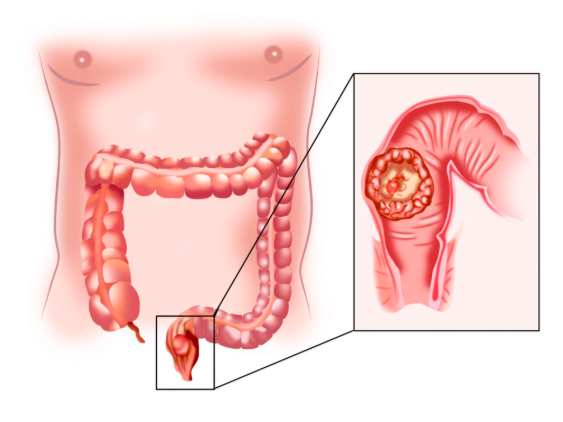
Certain lifestyle, age-related, and health conditions can significantly raise your risk of developing colon, rectal, or anal cancer — here’s what to watch for.
- Age Over 50: Risk increases significantly after 50 as cells become more prone to mutations over time. Regular screening is strongly recommended even without visible symptoms.
- High Red & Processed Meat Intake: Frequent consumption of bacon, sausage, and red meat introduces harmful compounds that damage the colon and rectal lining. Long-term dietary patterns like these are consistently linked to higher colorectal cancer rates.
- Obesity: Excess body weight triggers chronic inflammation and hormonal imbalances that create conditions favorable for cancer cell development. Obese individuals face a significantly higher colorectal cancer risk compared to those at a healthy weight.
- Smoking: Tobacco exposes the digestive system to carcinogens that accumulate over time, raising the risk of anal and colorectal cancers. Risk grows proportionally with the duration and frequency of smoking.
- Inflammatory Bowel Disease (IBD): Chronic inflammation from Crohn’s disease or ulcerative colitis continuously damages the bowel lining, increasing the chance of abnormal cell changes. Long-term IBD patients are considered high-risk and require more frequent cancer screenings.
How Is Bowel Leakage Diagnosed?
Bowel leakage is diagnosed through a combination of medical history, physical exams, and specialized tests to identify the root cause — here’s what the process typically involves.
Medical History & Physical Exam
A doctor begins by reviewing your symptoms, bowel habits, and medical background to identify patterns or underlying conditions. A physical examination of the anal and rectal area is then performed to assess visible damage or abnormalities.
Anorectal Manometry
This specialized test measures the strength and coordination of the sphincter and rectal muscles responsible for bowel control. It helps determine whether muscle weakness or nerve dysfunction is contributing to the leakage.
Anorectal Ultrasound
An anorectal ultrasound uses sound waves to produce detailed images of the sphincter muscles and surrounding tissue. It is particularly effective at identifying tears, thinning, or structural damage that may not be visible during a physical exam.
Endoscopy & Colonoscopy
A colonoscopy or other endoscopic procedure allows the doctor to visually examine the inside of the digestive tract for abnormalities. This is especially important for ruling out tumors, inflammation, polyps, or other serious conditions that may be causing the leakage.
Additional Tests
Depending on findings, doctors may also order MRI scans, nerve conduction studies, or stool tests to further assess nerve damage, structural issues, or the presence of infection and cancer markers.
Treatment Options for Bowel Leakage

Treatment ranges from simple lifestyle adjustments and pelvic floor exercises to medication and surgical procedures — the right approach depends on the underlying cause and severity.
- Lifestyle Adjustments: Increasing fiber intake, staying hydrated, and avoiding trigger foods can significantly reduce leakage episodes. Establishing a consistent bathroom routine also helps train the bowel for better control.
- Pelvic Floor Exercises: Kegel exercises and biofeedback therapy strengthen the sphincter and pelvic floor muscles responsible for bowel control. Performed consistently, they improve muscle coordination and reduce involuntary leakage over time.
- Medication: Anti-diarrheal medications help firm loose stools while laxatives address constipation-related overflow leakage. Both work to regulate bowel consistency, making it easier to maintain control throughout the day.
- Nerve Stimulation Therapy: Sacral nerve stimulation delivers mild electrical impulses to improve communication between the brain and bowel muscles. It is typically recommended when conservative treatments have not produced sufficient improvement.
- Surgical Procedures: Sphincteroplasty repairs damaged sphincter muscles while a colostomy may be considered in more severe cases. Surgery is generally reserved for situations where other treatments have failed or structural damage is significant.
How to Manage Bowel Leakage Day-to-Day?

Daily management of bowel leakage comes down to dietary adjustments, pelvic floor exercises, specialized products, and smart planning — here’s how to regain confidence and control.
Dietary Adjustments
Avoiding trigger foods like caffeine, alcohol, and spicy meals can noticeably reduce leakage episodes throughout the day. A high-fiber diet helps regulate stool consistency, making bowel movements more predictable and manageable.
Pelvic Floor Exercises
Daily Kegel exercises strengthen the sphincter muscles and improve the ability to delay bowel movements when needed. Even small gains in muscle strength can make a significant difference in day-to-day confidence.
Specialized Products
Absorbent pads, protective underwear, and anal plugs are discreet options designed specifically for managing leakage in daily life. These products provide a practical safety net, reducing anxiety and allowing a more normal routine.
Bowel Routine Planning
Following a fixed bathroom schedule after meals takes advantage of the body’s natural digestive rhythm to reduce unexpected leakage. Planning outings around restroom availability and keeping a spare change of clothing nearby adds an extra layer of preparedness.
Skin Care
Frequent leakage can cause irritation and skin breakdown around the anal area, making proper hygiene essential. Gentle wipes, moisture barrier creams, and breathable underwear help protect the skin and prevent discomfort or infection.
Frequently Asked Questions
Can bowel leakage go away on its own?
Mild cases may improve with simple dietary and lifestyle changes. However, persistent or worsening leakage should always be evaluated by a doctor to rule out an underlying condition.
Is bowel leakage more common in women than men?
Yes, women are more prone due to sphincter damage from childbirth, particularly after difficult deliveries. Men can also develop it through prostate surgery, aging, or nerve damage.
Can stress or anxiety trigger bowel leakage?
Yes, stress overstimulates the gut through the brain-gut connection, accelerating bowel movements and reducing control. People with IBS are especially vulnerable to stress-triggered leakage.
At what point should I see a doctor about bowel leakage?
See a doctor if leakage occurs regularly, worsens over time, or is accompanied by blood, pain, or unexplained weight loss. Early evaluation is key to identifying the cause and preventing complications.
Can certain medications cause bowel leakage?
Yes, antibiotics, laxatives, stool softeners, and some diabetes medications can loosen stools or affect nerve signaling. Always inform your doctor about current medications when discussing this symptom.
Does bowel leakage affect mental health?
Yes, it commonly leads to shame, social withdrawal, anxiety, and depression. Seeking both medical treatment and emotional support is essential for overall wellbeing.
Can children experience bowel leakage?
Yes, most commonly due to chronic constipation causing overflow incontinence, known as encopresis. Addressing the underlying cause early prevents long-term physical and emotional effects.
Conclusion
Bowel leakage is far more common and treatable than most people realize, but knowing when it signals something serious is what truly matters.
Understanding the warning signs, risk factors, and differences between benign and cancer-related causes can be life-saving.
Whether the cause is a lifestyle factor, nerve damage, or an underlying condition like colorectal cancer, early medical evaluation always leads to better outcomes.
If you are experiencing persistent leakage alongside any of the red flags discussed in this article, do not wait — speak to a healthcare professional as soon as possible.
Related Articles
How Long Does Cataract Surgery Take? Complete Timeline & Recovery Guide
Contributory Health Service Scheme: Benefits, Eligibility, Registration and Healthcare Coverage
Does Wearing a Hat Cause Hair Loss? Here’s What Dermatologists Actually Say
Can Vaping Cause Acne? Understanding the Connection Between Vaping and Breakouts
The American Worker Health Insurance Explained: Plans, Benefits, Costs, and Complete Guide