


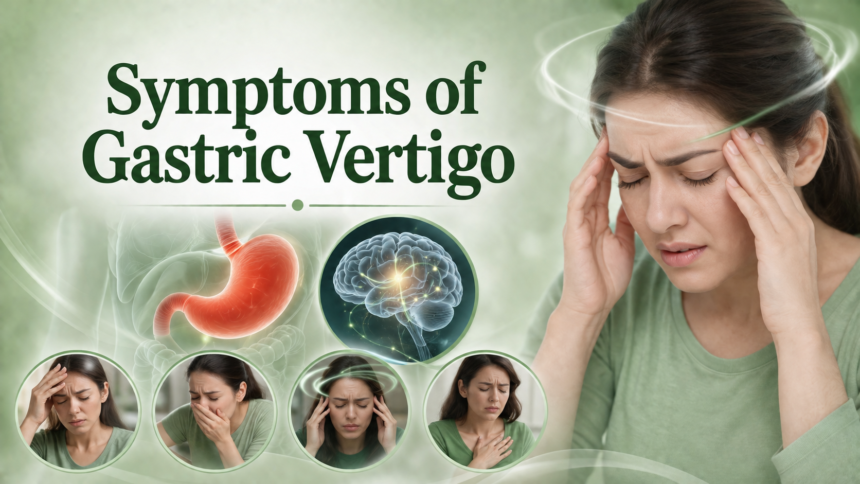
Feeling dizzy after a heavy meal or during a bout of acid reflux can be confusing, especially when standard vertigo treatments do not seem to help.
This article breaks down the symptoms of gastric vertigo in plain language, explains what may be causing them, and outlines when the dizziness could be a sign of something more serious.
Whether you are researching this for yourself or a family member, this guide walks through the full picture step by step.
Key Takeaways
- Gastric vertigo describes dizziness linked to digestive issues rather than inner ear disorders.
- Common symptoms include post-meal dizziness, nausea, bloating, and palpitations.
- Acid reflux, vagus nerve irritation, and blood sugar swings are frequent triggers.
- Certain warning signs, like chest pain or fainting, require urgent medical care.
- A proper diagnosis usually involves ruling out ear, heart, and neurological causes first.
What Is Gastric Vertigo?
Gastric vertigo is not a formal diagnosis but a descriptive term people use when dizziness seems tied to stomach or digestive problems. Below, we look at whether this term holds up medically and how the gut and brain interact to produce these sensations.
Is It a Recognized Medical Condition?
Medical professionals do not classify gastric vertigo as a standalone condition the way they do with vestibular disorders such as BPPV. Instead, it is generally understood as a symptom cluster arising from digestive distress. Doctors typically investigate the underlying digestive cause, such as reflux or food intolerance, rather than treating “gastric vertigo” as its own disease.
How the Gut-Brain Connection Triggers Dizziness
The gut and brain communicate constantly through the vagus nerve, which runs from the brainstem down into the digestive tract. When the stomach experiences irritation, bloating, or acid buildup, this nerve can send abnormal signals that affect blood pressure and balance. This is why some people feel dizzy specifically after eating or during digestive flare-ups, even though their ears and brain are otherwise healthy.
Common Symptoms of Gastric Vertigo
The symptoms of gastric vertigo often overlap with general digestive discomfort, making them easy to misattribute to something else. The list below breaks down the most frequently reported signs.
Dizziness and Lightheadedness After Eating
Many people report a spinning or lightheaded feeling that begins within thirty minutes to an hour after a meal. This often happens after large or heavy meals, particularly those high in fat or sugar, and may ease once digestion settles down.
Nausea and Stomach Discomfort
A queasy stomach frequently accompanies the dizziness, sometimes making it hard to tell which symptom started first. This nausea can range from mild discomfort to a strong urge to vomit, especially when combined with reflux.
Bloating and Gas-Related Pressure
Excess gas and bloating can create physical pressure in the abdomen, which some researchers believe may contribute to dizziness through nerve irritation. This symptom tends to build gradually over the day and worsen after certain trigger foods.
Heart Palpitations and Sweating
Some individuals notice a racing heartbeat or sudden sweating alongside the dizziness. This combination can resemble a panic attack, which is why anxiety and gastric vertigo are sometimes confused with one another.
Headache and Blurred Vision
A dull headache or temporary blurring of vision can accompany the other symptoms, particularly during more intense episodes. These usually resolve once the digestive upset settles, but persistent vision changes should always be checked by a doctor.
Common Causes Behind These Symptoms
Several underlying digestive and lifestyle factors are commonly linked to these symptoms. Understanding the root cause can help guide the right kind of treatment.
Acid Reflux (GERD) and Vagus Nerve Irritation
Chronic acid reflux can irritate the esophagus and, over time, affect the vagus nerve’s normal functioning. This irritation may interfere with blood pressure regulation, leading to brief dizzy spells that coincide with reflux flare-ups.
Food Intolerances and Blood Sugar Fluctuations
Certain foods can cause rapid blood sugar spikes followed by sharp drops, a pattern known to trigger lightheadedness. Food intolerances, such as to dairy or gluten, can also cause inflammation in the gut that indirectly affects balance and energy levels.
Anxiety-Related Digestive Dizziness
Anxiety and stress can slow digestion or cause rapid, shallow breathing, both of which may contribute to dizziness. Because anxiety often coincides with stomach upset, it can be difficult to separate a purely digestive cause from a stress-related one.
Gastric Vertigo vs. Other Types of Dizziness
The table below compares gastric vertigo with two other common causes of dizziness to help clarify the differences.
| Feature | Gastric Vertigo | Inner Ear Vertigo (BPPV) | Cardiovascular Dizziness |
| Main Trigger | Eating, reflux, bloating | Head position changes | Standing up quickly, heart issues |
| Typical Duration | Minutes, tied to digestion | Seconds to minutes | Seconds to several minutes |
| Associated Symptoms | Nausea, bloating, palpitations | Spinning sensation, nystagmus | Chest discomfort, fainting |
| Common Trigger Time | After meals | Rolling over in bed, tilting head | Sudden posture change |
| Recommended Specialist | Gastroenterologist | ENT or neurologist | Cardiologist |
Warning Signs You Shouldn’t Ignore
While most cases of gastric vertigo are linked to manageable digestive issues, certain symptoms point to a more urgent problem. This section outlines what to watch for and when emergency care is needed.
Symptoms Requiring Immediate Medical Attention
If dizziness is accompanied by chest pain, difficulty speaking, sudden weakness on one side of the body, or fainting, this is not typical of digestive-related dizziness and needs immediate evaluation. These signs may indicate a cardiovascular or neurological emergency rather than a stomach issue.
Warning: Seek emergency care immediately if dizziness occurs alongside chest pain, slurred speech, sudden confusion, or loss of consciousness, as these can indicate a stroke or heart-related emergency.
How Gastric Vertigo Is Diagnosed
Since gastric vertigo is not an official diagnosis, doctors typically work through a process of elimination. This section explains what that evaluation usually looks like.
Tests Doctors May Recommend
A doctor may start with a physical exam and detailed symptom history, followed by tests such as an upper endoscopy, blood sugar monitoring, or a hearing and balance evaluation to rule out inner ear causes. Blood pressure checks in different positions are also common to rule out orthostatic hypotension.
Pro Tip: Keep a simple daily log of what you eat, when dizziness occurs, and how long it lasts. This pattern can help your doctor pinpoint the trigger much faster than a one-time description of symptoms.
Managing and Preventing Symptoms
Once the underlying cause is identified, most people find relief through a combination of dietary and lifestyle changes. This section walks through practical steps for reducing symptoms.
Dietary Adjustments
Eating smaller, more frequent meals instead of large ones can reduce the digestive load that triggers dizziness. Cutting back on spicy, fatty, or highly processed foods often helps limit both reflux and bloating, which are common contributors.
Lifestyle and Posture Changes
Staying upright for at least thirty minutes after eating, rather than lying down immediately, can reduce reflux-related dizziness. Slow, deep breathing during a dizzy episode may also help regulate the nervous system response tied to digestion.
When Medication May Be Needed
For persistent reflux, doctors may recommend antacids or acid-reducing medication, while anti-nausea medication can help during severe episodes. Any medication should be guided by a healthcare provider based on the specific underlying cause.
Example: A person who regularly feels dizzy about twenty minutes after lunch, along with bloating and mild heartburn, may find that switching to smaller meals and avoiding fried foods significantly reduces these episodes within a few weeks. This kind of pattern often points toward a digestive rather than a neurological cause.
Frequently Asked Questions
Can gastric issues really cause vertigo?
Yes, digestive problems like reflux and bloating can trigger dizziness through vagus nerve irritation, though it is not classified as true vertigo in the medical sense.
How long does gastric vertigo last?
Episodes typically last a few minutes and often ease once digestion settles, though this can vary based on the underlying trigger.
What foods trigger it?
Fatty, spicy, and sugary foods are commonly reported triggers, along with any specific food intolerances a person may have.
Should I see a gastroenterologist or an ENT?
Starting with a primary care doctor is usually best, as they can determine whether a gastroenterologist, ENT, or cardiologist is the right next step.
Is it linked to anxiety?
Yes, anxiety can worsen digestive symptoms and dizziness together, making it an important factor to mention during diagnosis.
Conclusion
The symptoms of gastric vertigo often center around post-meal dizziness, nausea, bloating, and related digestive discomfort, most commonly tied to acid reflux or vagus nerve irritation.
While usually manageable through dietary and lifestyle changes, persistent or severe symptoms should always be evaluated by a doctor to rule out more serious causes.
Related Posts
Endometriosis Surgery Recovery Time: What to Expect Week by Week
Does PCOS Make You Tired? Understanding the Fatigue Connection
Dermatologist on Acne Scars: Causes, Types, and Proven Treatment Options
Mercer Health Online Nursery: Features, Benefits, Access, and Newborn Announcements Guide
Torn Tendon in Elbow: Symptoms, Causes, Treatment & Recovery Guide


