



White spots on gums can be a concerning yet common oral health issue that many people experience at some point in their lives. They often indicate minor irritation, injuries, or infections like canker sores and oral thrush, which are typically treatable with proper care. Understanding the underlying causes is essential to determining the right course of action and maintaining optimal oral hygiene.
We will be discussing white spots on gums during pregnancy, what causes white spots on gums, and how understanding these underlying causes is essential to determining the right course of action for maintaining optimal oral hygiene.
What Causes White Spots on Gums?
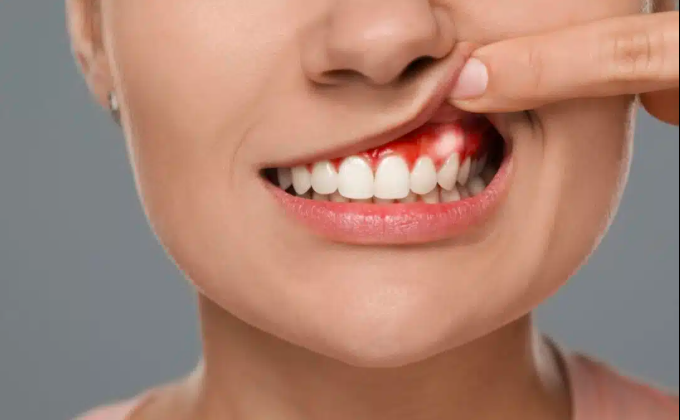
White spots on gums can develop due to a variety of reasons, from minor irritations to underlying health conditions — each with distinct characteristics that we will break down below.
Canker Sores
Canker sores are small, shallow ulcers that form on the soft tissues of the mouth, including the gums. They are typically triggered by stress, acidic foods, or minor injuries and usually resolve on their own within 7–14 days.
Oral Thrush
Oral thrush is a fungal infection caused by an overgrowth of Candida albicans, appearing as creamy white patches on the gums and inner cheeks. It commonly affects people with weakened immune systems, those on antibiotics, or individuals with uncontrolled diabetes.
Leukoplakia
Leukoplakia presents as thick, white or grey patches on the gums that cannot be wiped away and develop due to chronic irritation from tobacco use or rough teeth. It requires prompt dental evaluation as some cases carry a risk of developing into oral cancer.
Oral Lichen Planus
Oral lichen planus is a chronic inflammatory condition that causes lacy, white streaks or patches on the gums due to an abnormal immune response. While it has no permanent cure, symptoms can be effectively managed with prescribed medications and regular monitoring.
Dental Appliance Irritation
Ill-fitting dentures, braces, or retainers can create constant friction against the gum tissue, leading to white irritated sores at the contact points. Adjusting or replacing the appliance typically resolves the irritation without any further treatment.
Poor Oral Hygiene and Plaque Buildup
Neglecting regular brushing and flossing allows plaque and bacteria to accumulate along the gum line, causing inflammation and white discoloration of the gum tissue. Over time, this can progress into gingivitis or more serious periodontal disease if left unaddressed.
Autoimmune Conditions (Lupus)
Systemic lupus erythematosus can manifest in the mouth as white, painless ulcers or patches on the gums as part of its broader inflammatory attack on body tissues. These oral symptoms often flare alongside other lupus symptoms and require coordinated care between a dentist and a rheumatologist.
White Spots After Tooth Extraction
White spots appearing after a tooth extraction are commonly a sign of normal healing tissue or, in some cases, a dry socket where the blood clot has been dislodged. If the white spot is accompanied by severe pain or a foul taste, immediate dental attention is necessary to prevent infection.
White spots on gums in babies and children
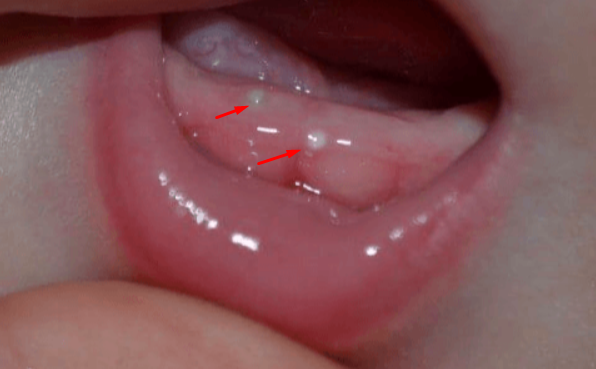
White spots on gums in babies and children are usually caused by benign conditions like Epstein pearls, teething, or common infections like oral thrush, most of which resolve on their own without medical intervention.
Epstein pearls, for example, are harmless keratin-filled cysts that commonly appear in newborns and disappear within a few weeks after birth.
However, if white spots persist, spread, or are accompanied by discomfort and feeding difficulties, consulting a pediatric dentist is always the safest step.
White spots on gums during pregnancy
White spots on gums during pregnancy are often caused by oral thrush, a common fungal infection affecting 20–38% of pregnant women due to hormonal changes, or by conditions like canker sores, localized trauma, or leukoplakia.
The hormonal shifts during pregnancy significantly alter the oral environment, making gums more susceptible to infections, inflammation, and unusual tissue growths.
Since certain treatments may not be safe during pregnancy, it is essential to consult a dentist promptly to ensure both maternal and fetal health are fully protected.
White spots on gums by location
White spots can appear in different areas of the mouth, and their location often provides the first clue toward identifying the underlying cause.
- Front Gums (Upper) — Canker sores are the most common culprit here, appearing as painful, round white or yellow ulcers with a distinct red border, usually triggered by stress or minor trauma.
- Front Gums (Lower) — Oral thrush tends to show up as creamy, removable white patches that wipe away to reveal red, irritated tissue underneath.
- Back Gums (Near Molars) — Leukoplakia is frequently found in this area, presenting as thick, non-removable white-grey patches that persist without any obvious irritation.
- Along the Gum Line — Oral lichen planus typically runs along the gum line in a distinctive lace-like or net-patterned white streak linked to chronic immune system activity.
- Around Wisdom Teeth Area — Canker sores or trauma-induced white spots are common here due to constant friction, food impaction, or accidental biting.
- Near a Tooth Extraction Site — White spots in this area usually indicate normal healing tissue, though a dry socket should be ruled out if severe pain or bad taste is also present.
- Entire Gum Surface — Widespread white or pale discoloration across the gums often points to oral thrush or advanced gingivitis, particularly in individuals with weakened immunity or poor oral hygiene.
- Baby’s Gum Ridge — Tiny, pearly white cysts known as Epstein pearls appear along the gum ridge in newborns and are completely harmless, resolving naturally within a few weeks.
Symptoms to Watch For
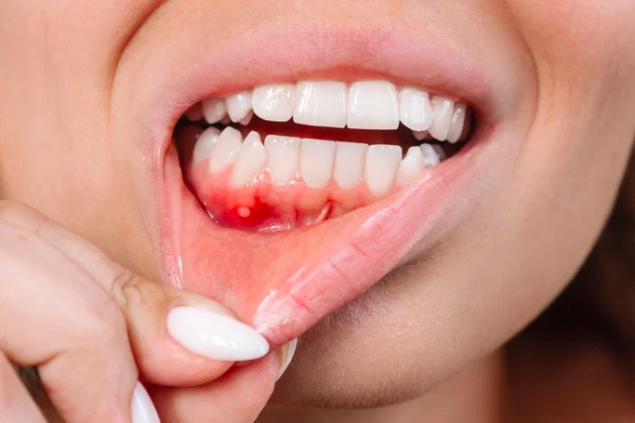
White spots on gums are not always painless — certain accompanying symptoms can signal a more serious underlying condition that requires prompt dental attention.
Pain or Tenderness
Persistent soreness or throbbing pain around the white spot, especially when eating or drinking, may indicate an abscess, canker sore, or active infection.
Bleeding Gums
Unexplained bleeding around the white spot during brushing or eating is often a warning sign of gingivitis, gum disease, or traumatic injury.
Burning Sensation
A constant burning or tingling feeling on the gums, particularly with creamy white patches, is a hallmark symptom of oral thrush or oral lichen planus.
Difficulty Swallowing
White spots accompanied by pain or discomfort while swallowing may suggest a spreading fungal infection or a deeper oral health issue requiring immediate evaluation.
Swelling or Puffiness
Noticeable swelling around the white spot can point toward a gum abscess, allergic reaction, or an advancing infection beneath the gum tissue.
How Dentists Diagnose White Spots
Dentists use a combination of visual exams, medical history reviews, and advanced light-based technologies to accurately identify the cause of white spots and determine the most effective treatment plan.
Visual Examination
A dentist begins by closely inspecting the white spots under bright dental lighting, assessing their size, texture, color, and exact location on the gums to narrow down potential causes.
Medical History Review
Reviewing the patient’s full medical and dental history helps identify contributing factors such as tobacco use, medication history, autoimmune conditions, or recent dental procedures that may explain the white spots.
Light-Based Technologies
Advanced tools like VELscope or fluorescence-based devices emit specific wavelengths of light onto the gum tissue, causing abnormal or potentially cancerous cells to appear distinctly different from healthy tissue.
Oral Swab or Culture Test
If oral thrush or a fungal infection is suspected, a dentist may take a swab of the white patch and send it for laboratory culture testing to confirm the presence of Candida or other pathogens.
Treatment Options by Cause
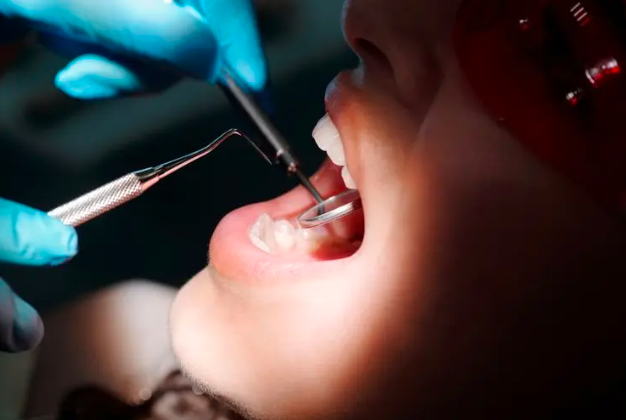
Below are the most effective treatment approaches for white spots on gums, each tailored specifically to the underlying cause behind them.
Canker Sores
Canker sores typically heal on their own within 7–14 days, but over-the-counter topical gels containing benzocaine or antimicrobial mouthwashes can help reduce pain and speed up recovery.
Oral Thrush
Oral thrush is treated with antifungal medications such as nystatin oral rinse or fluconazole tablets, prescribed by a dentist or doctor to eliminate the Candida overgrowth effectively.
Leukoplakia
Mild leukoplakia is managed by eliminating triggers such as tobacco or alcohol, while persistent or high-risk patches may require surgical removal, laser therapy, or cryotherapy to prevent cancerous progression.
Oral Lichen Planus
Oral lichen planus has no permanent cure but is managed with corticosteroid gels or rinses to reduce inflammation, along with regular monitoring to detect any early signs of malignant changes.
Dental Appliance Irritation
The primary treatment involves adjusting or replacing the ill-fitting denture, brace, or retainer causing the irritation, after which the white spots typically resolve on their own within a few days.
Poor Oral Hygiene and Plaque Buildup
Professional dental cleaning combined with an improved daily oral hygiene routine of brushing, flossing, and antibacterial mouthwash use is the most effective treatment for hygiene-related white spots.
Autoimmune Conditions (Lupus)
White spots caused by lupus require coordinated treatment between a dentist and a rheumatologist, typically involving systemic immunosuppressants or corticosteroids to control the autoimmune flare-up.
Home Remedies for White Spots on Gums
Below are some simple yet effective home remedies that can help soothe white spots on gums and support the natural healing process.
Warm Salt Water Rinse
Dissolve half a teaspoon of salt in a glass of warm water and rinse gently for 30 seconds, two to three times daily. Salt water naturally reduces inflammation, draws out bacteria, and creates an environment that promotes faster gum healing.
Avoid Spicy and Acidic Foods
Spicy seasonings, citrus fruits, tomatoes, and vinegar-based foods can aggravate white spots and significantly delay the healing process. Switching to a bland, soft diet until the spots heal prevents further irritation and reduces pain during eating.
Gentle Oral Hygiene with a Soft Brush
Using a soft-bristled toothbrush and brushing with light, circular motions prevents additional trauma to the already sensitive gum tissue. Pairing gentle brushing with a mild, alcohol-free mouthwash keeps the area clean without causing further irritation or burning.
Over-the-Counter Oral Pain Relief
Topical gels containing benzocaine, such as Orajel, can be applied directly to the white spot to provide immediate temporary pain relief. OTC anti-inflammatory medications like ibuprofen can also help manage pain and reduce swelling associated with white spots on gums.
When to See a Dentist?

Knowing when to seek professional dental care for white spots on gums can make a critical difference in preventing a minor issue from developing into a serious condition.
Spots That Do Not Heal Within Two Weeks
Any white spot or patch on the gums that persists beyond two weeks without showing signs of improvement should be professionally evaluated to rule out leukoplakia or early-stage oral cancer.
Severe or Worsening Pain
If the pain around the white spot becomes increasingly intense, throbs persistently, or spreads to the jaw and ear, it may indicate a developing abscess or deep infection requiring urgent dental treatment.
Difficulty Swallowing or Breathing
White spots accompanied by difficulty swallowing, speaking, or breathing are a serious warning sign of a rapidly spreading infection or severe allergic reaction that demands immediate medical attention.
Bleeding That Does Not Stop
Unexplained or persistent bleeding around the white spot, especially without any obvious cause such as brushing, should be assessed by a dentist as it may indicate advanced gum disease or a more serious condition.
Spots Spreading or Multiplying
If white spots are visibly growing in size, spreading to other areas of the mouth, or increasing in number, a dentist should be consulted promptly to identify and address the underlying cause.
White Spots During Pregnancy
Pregnant women who develop white spots on their gums should consult a dentist without delay, as hormonal changes make them more vulnerable to infections that can potentially affect both maternal and fetal health.
Fever Accompanying Oral Symptoms
The presence of fever alongside white gum spots strongly suggests that a localized oral infection may have begun spreading systemically, requiring immediate professional evaluation and possibly antibiotic treatment.
Frequently Asked Questions
Can white spots on gums be a sign of oral cancer?
While most white spots are benign, persistent non-removable patches that do not heal within two weeks can in rare cases indicate early-stage oral cancer and should be evaluated by a dentist immediately.
Are white spots on gums contagious?
White spots caused by oral thrush can be mildly contagious through direct oral contact, but conditions like canker sores, leukoplakia, and oral lichen planus are not contagious at all.
Can stress cause white spots on gums?
Yes, stress is a common trigger for canker sores and also weakens the immune system, making the body more vulnerable to fungal infections like oral thrush.
Can certain medications cause white spots on gums?
Yes, antibiotics, corticosteroids, and chemotherapy drugs can disrupt the natural oral bacterial balance, creating conditions favorable for fungal overgrowth and white spot development.
How can white spots on gums be prevented?
Maintaining consistent oral hygiene, avoiding tobacco and alcohol, eating a vitamin-rich diet, staying hydrated, and attending regular dental checkups are the most effective preventive measures.
Can vitamin deficiencies cause white spots on gums?
Yes, deficiencies in vitamins B12, C, and folate can weaken gum tissue and impair immunity, making the gums more prone to ulceration and white spot formation.
How long does it take for white spots on gums to heal?
Canker sores resolve within 7–14 days, oral thrush clears within weeks with treatment, while chronic conditions like leukoplakia and oral lichen planus require ongoing long-term management.
Conclusion
White spots on gums can range from harmless minor irritations to conditions requiring professional treatment, making early recognition and timely dental care essential.
While many cases resolve on their own with simple home remedies, persistent or worsening spots should never be ignored.
Maintaining good oral hygiene and attending regular dental checkups remains the most reliable way to keep your gums healthy and catch any concerning changes early.
Related Articles
The American Worker Health Insurance Explained: Plans, Benefits, Costs, and Complete Guide
Susquehanna Health and Wellness Center: Complete Guide to Rehabilitation, and Resident Care
Mercer Health Online Nursery: Features, Benefits, Access, and Newborn Announcements Guide
Headache After Chiropractor: Causes, Symptoms, Relief, and Recovery Guide
Fungal Acne vs Bacterial Acne: Understanding the Key Differences, Symptoms, and Treatments


