


1. Introduction
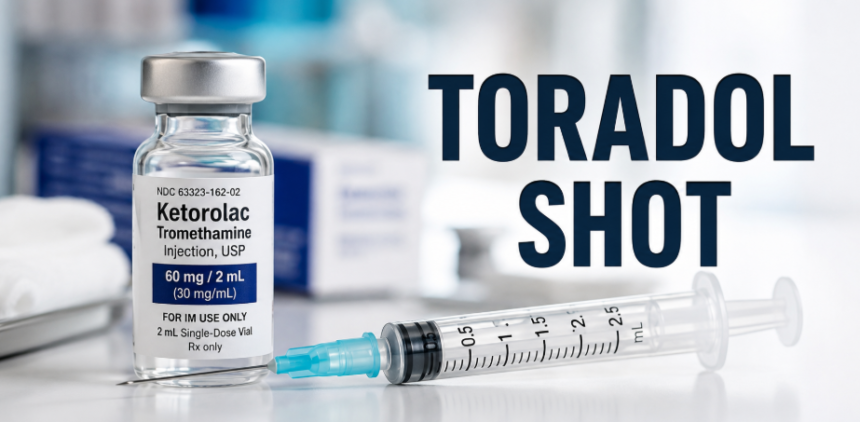
If you have ever visited an emergency room or urgent care center with severe pain, there is a good chance you have heard the term “Toradol shot.” This injectable medication has become a go-to option for doctors and nurses when a patient needs fast, effective pain relief without reaching for opioids. Unlike many painkillers that simply mask discomfort, the Toradol shot works by tackling inflammation at its source, which makes it especially useful for a wide range of painful conditions.
This guide breaks down everything you need to know about the Toradol shot in plain, easy-to-understand language — from how it works in the body to who should avoid it, and how it compares to other common pain relief options.
2. What Is Toradol (Ketorolac)?
Toradol is the brand name for a medicine called ketorolac. It belongs to a family of drugs known as nonsteroidal anti-inflammatory drugs, commonly shortened to NSAIDs. While many people are familiar with NSAIDs in pill form — think ibuprofen or naproxen — Toradol stands out because it is available as an injectable medication, making it far more potent and fast-acting than typical over-the-counter options.
The generic name “ketorolac” refers to the actual chemical compound, while “Toradol” is simply the commercial name under which it was originally marketed. Today, both generic ketorolac and brand-name Toradol are used interchangeably in clinical settings.
3. How Toradol Works
To understand why a Toradol shot works so well for pain, it helps to know a little about how the body creates pain and swelling in the first place. When tissue is damaged, whether from surgery, injury, or inflammation, the body produces chemicals called prostaglandins. These compounds are responsible for triggering pain signals, swelling, and fever.
Toradol works by blocking the enzymes responsible for producing prostaglandins. With fewer prostaglandins circulating, the body experiences less pain, less swelling, and lower fever. Because ketorolac is delivered directly into the muscle or bloodstream rather than passing through the digestive system first, it tends to act faster than oral pain relievers.
Patients who receive a Toradol shot often notice pain relief within fifteen to thirty minutes, with effects lasting anywhere from four to six hours depending on the individual and the severity of their condition.
4. Common Uses of Toradol Shot
The Toradol shot is versatile and is used across many different medical situations. Below is a breakdown of its most common applications:
| Condition | Why Toradol Is Used |
| Post-surgical pain | Reduces inflammation and pain after operations, often as an alternative to opioids |
| Kidney stones | Provides fast relief from the intense, cramping pain associated with stone passage |
| Migraines and severe headaches | Targets inflammation that contributes to headache pain when oral medications aren’t effective |
| Musculoskeletal injuries | Helps with back pain, sprains, strains, and muscle-related injuries |
| Dental pain | Used after extractions or oral surgery for quick pain control |
| Emergency room settings | A common first-line injectable for acute pain when opioids are best avoided |
Because it does not carry the addiction risks associated with opioid medications, many healthcare providers prefer starting with a Toradol shot before considering stronger narcotic options.
5. Administration Methods
A Toradol shot is only given in a clinical setting by a trained healthcare professional. It is not something patients administer themselves at home. There are two primary ways it can be delivered:
- Intramuscular (IM) injection: Administered directly into a large muscle, typically the upper arm or buttock. This is the most common method used in ER and urgent care settings.
- Intravenous (IV) injection: Delivered directly into the bloodstream through a vein, often used in hospital settings where an IV line is already in place, such as after surgery.
Both methods allow the medication to bypass the digestive system, which is part of why the Toradol shot acts more quickly than an oral NSAID tablet.
6. Dosage Guidelines
Dosing for a Toradol shot depends on the patient’s age, health status, and the severity of pain being treated. That said, there are some general guidelines that healthcare providers commonly follow.
For most healthy adults, an initial dose is given, sometimes followed by additional doses at set intervals if pain persists. However, ketorolac is never intended for long-term use. Medical guidelines strongly recommend that treatment — whether by injection, and later transitioning to oral tablets if continued — should not exceed a combined total of five days.
Older adults, patients with lower body weight, or those with reduced kidney function typically receive a lower dose, since their bodies process the medication more slowly. Toradol is generally not recommended for children, and its use in pediatric patients is limited to very specific circumstances under close medical supervision.
7. Onset, Duration & Effectiveness
One of the biggest advantages of the Toradol shot is how quickly it takes effect compared to swallowing a pill. Because the medication does not need to be broken down in the stomach first, patients often start feeling relief within fifteen to thirty minutes of receiving the injection.
The effects typically last between four and six hours, though this can vary based on individual metabolism and the severity of the condition being treated. For patients dealing with sudden, intense pain — such as a kidney stone attack or post-surgical discomfort — this rapid onset can make a significant difference in comfort and recovery.
8. Who Should Avoid Toradol
While the Toradol shot is highly effective, it is not suitable for everyone. Certain groups of people face a higher risk of complications and should avoid this medication unless specifically advised otherwise by their doctor:
- Individuals with kidney disease or reduced kidney function, since ketorolac can further stress the kidneys.
- Patients with active gastrointestinal bleeding or a history of stomach ulcers, as NSAIDs can worsen bleeding risk.
- Pregnant or breastfeeding women, particularly in the later stages of pregnancy.
- People currently taking blood thinners such as warfarin, since combining these increases bleeding risk.
- Patients with cardiovascular disease or those at high risk of heart attack or stroke.
- Individuals with asthma who have a known sensitivity to NSAIDs or aspirin.
Doctors typically review a patient’s full medical history before administering a Toradol shot to rule out these risk factors.
9. Side Effects
Like any medication, Toradol carries the possibility of side effects. Most are mild and temporary, but some can be more serious and require immediate medical attention.
Common, milder side effects include:
- Nausea or upset stomach
- Dizziness or lightheadedness
- Pain or soreness at the injection site
- Headache
- Drowsiness
More serious side effects that require prompt medical attention include:
- Signs of gastrointestinal bleeding, such as black or bloody stools
- Sudden decrease in urination, which may indicate kidney problems
- Chest pain, shortness of breath, or swelling in the legs
- Signs of an allergic reaction, including hives, facial swelling, or difficulty breathing
Patients should always inform their healthcare provider immediately if they notice any unusual or severe symptoms after receiving a Toradol shot.
10. Drug Interactions
Toradol can interact with a number of other medications, which is why doctors always review a patient’s current prescriptions before administering it. Some of the most significant interactions include:
| Medication Type | Potential Interaction |
| Blood thinners (warfarin, aspirin) | Increased risk of bleeding |
| Other NSAIDs (ibuprofen, naproxen) | Higher risk of stomach ulcers and kidney strain |
| ACE inhibitors and diuretics | Reduced effectiveness and increased kidney stress |
| Lithium | Elevated lithium levels in the blood, raising toxicity risk |
| Methotrexate | Increased risk of methotrexate toxicity |
Because of these interactions, patients should always disclose their full list of current medications, including over-the-counter drugs and supplements, before receiving a Toradol shot.
11. Precautions & Warnings
Ketorolac carries a boxed warning from regulatory health authorities, which is the strongest safety warning a medication can receive. This warning highlights the increased risk of serious gastrointestinal bleeding, kidney damage, and cardiovascular events, especially with prolonged use or higher-than-recommended doses.
For this reason, a Toradol shot is intended strictly for short-term pain management. It is not designed for chronic conditions like long-term arthritis pain or ongoing lower back issues. Healthcare providers typically monitor patients closely during treatment, particularly those with pre-existing health conditions, to catch any early signs of complications.
12. Toradol vs. Other Pain Relievers
Understanding how Toradol compares to other common pain relief options can help clarify why it’s chosen in certain situations over others.
Toradol vs. Ibuprofen: Both belong to the same drug family, but Toradol is significantly more potent and works faster since it is injected rather than swallowed. Ibuprofen is better suited for mild to moderate pain managed at home over a longer period.
Toradol vs. Opioids: Unlike opioids, Toradol is non-addictive and does not carry the risk of dependency or overdose in the same way narcotics do. However, opioids may be more effective for extremely severe pain, particularly in cases where inflammation isn’t the primary driver of discomfort.
Toradol vs. Acetaminophen: Paracetamol(Tylenol) reduces pain and fever but does not have significant anti-inflammatory properties like Toradol. This makes Toradol more effective for pain caused by swelling or tissue inflammation, while acetaminophen may be gentler on the stomach and kidneys.
13. What to Expect During and After the Shot
Receiving a Toradol shot is a quick process, usually taking just a few seconds for the actual injection. Patients may feel a brief pinch or stinging sensation at the injection site, followed by mild soreness that typically fades within a day or two.
After the injection, most patients are able to resume normal activities relatively quickly, though drowsiness or dizziness can occur in some cases. It’s generally a good idea to avoid driving or operating heavy machinery immediately after receiving the shot until you know how your body responds. Staying hydrated and avoiding alcohol in the hours following the injection can also help minimize any mild side effects.
14. Frequently Asked Questions (FAQ)
Is Toradol addictive? No, Toradol is not an opioid and does not carry addictive properties. It works through anti-inflammatory action rather than affecting the brain’s reward system.
Can I drive after getting a Toradol shot? It depends on how your body reacts. Some patients experience mild dizziness or drowsiness, so it’s wise to wait until you feel fully alert before driving.
How often can you get a Toradol injection? Toradol is meant for short-term use only, generally not exceeding five days total, including any oral ketorolac taken afterward. It is not intended for repeated or frequent use over long periods.
Is it safe for chronic pain? No, Toradol is not recommended for chronic or long-term pain management due to the increased risk of serious side effects with prolonged use. It is best suited for acute, short-term pain relief.
15. Conclusion
The Toradol shot offers a fast, effective, and non-addictive option for managing moderate to severe pain in a wide variety of situations, from post-surgical recovery to kidney stones and migraines. Its ability to target inflammation directly makes it a valuable tool in emergency and clinical settings where quick relief is needed.
That said, it is not without risks, and it is not suitable for everyone. Patients with kidney issues, bleeding disorders, cardiovascular disease, or those taking certain medications should discuss alternatives with their doctor. As with any medication, the safest approach is always to follow your healthcare provider’s guidance closely and report any unusual symptoms right away.
This article is for informational purposes only and is not a substitute for professional medical advice. Always consult a licensed healthcare provider before starting or stopping any medication.
Related Posts
Are Numb Lips a Sign of Stroke? What You Need to Know
How Do You Get a Crick Out of Your Neck? Fast Relief Guide
How Long Does Hip Bursitis Take to Heal? Recovery Timeline
Eyes in Concussion: Symptoms, Vision Problems, and Recovery
Can a Urine Infection Delay Your Period? What You Need to Know


