



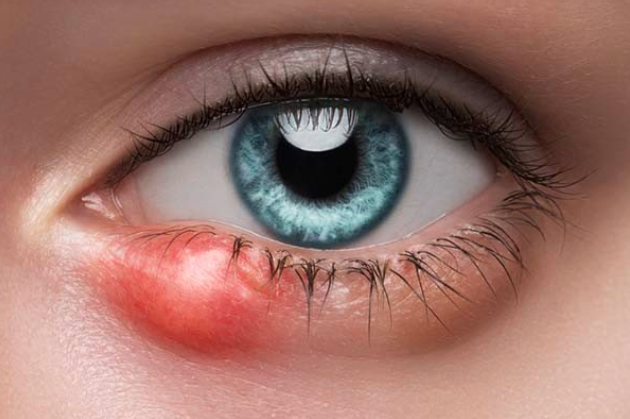
A stye — clinically called a hordeolum — is a painful, red bump on the eyelid caused by a Staphylococcus aureus bacterial infection in an eyelid oil gland.
So, are styes contagious? The short answer is no — styes are not contagious in the way colds or flu are. However, the bacteria responsible can spread to your other eye or another person through shared items and poor hand hygiene.
Styes cause localized pain, eyelid swelling, tearing, and a gritty sensation that usually resolves within 7–10 days with proper care.
In this guide, you will learn how styes form, how to get rid of a stye fast at home, when to seek medical treatment, and how to stop them from coming back.
What Is a Stye?
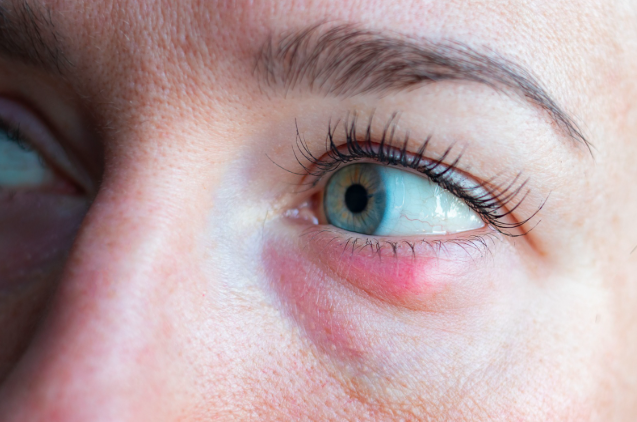
A stye (hordeolum) is a painful, red, pus-filled lump along the eyelid edge, formed when Staphylococcus aureus bacteria infect a blocked meibomian gland or eyelash follicle. It can develop near the base of the eyelashes or inside the eyelid and often causes tenderness, mild swelling, and discomfort while blinking.
Styes are usually small but may grow larger over time as the infection progresses. Most cases are temporary and improve within a few days with proper eye care.
There are two types: an external stye, which forms on the outer eyelid near the lash base, and an internal stye, which develops inside the eyelid. Both are temporary and usually resolve within one to two weeks.
Are Styes Contagious?
Styes are not contagious. They develop when bacteria already present on your skin — most commonly Staphylococcus aureus — infect a clogged eyelid gland. You cannot “catch” a stye from being near someone who has one.
That said, the bacteria themselves can transfer through direct contact — touching the stye then rubbing your own eyes, or sharing towels, pillowcases, or eye makeup with an infected person. This does not guarantee a stye will develop, but it does raise the risk.
How Do Styes Spread?
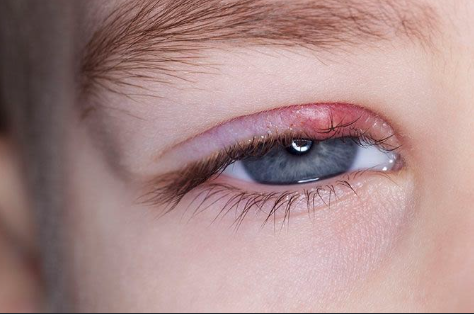
The bacteria linked to styes spread through contaminated contact — not through the air. Below are the most common routes of bacterial transfer, along with practical steps to block each one.
Sharing Towels or Pillowcases
Towels and pillowcases pick up bacteria and discharge from an infected eyelid. Anyone using the same fabric item can transfer those bacteria to their own eyelid. Wash pillowcases every two days and towels after each use during an active stye.
Touching the Eyes With Dirty Hands
Unwashed hands are the most common route for bacteria to reach the eyelid. Avoid touching your face entirely while a stye is active, and wash hands with soap for at least 20 seconds before applying any eye medication or compresses. Good hand hygiene is important to prevent bacteria from spreading.
Sharing Eye Makeup
Mascara, eyeliner, and eye brushes become contaminated almost immediately after contact with an infected eyelid. Discard all eye makeup used in the two weeks before a stye appeared — do not attempt to disinfect it. Never share eye makeup under any circumstance.
Contact Lenses and Poor Eye Hygiene
Contact lens wearers face an elevated stye risk because lens handling brings bacteria-laden fingers close to the eyelid repeatedly each day. Always wash hands before inserting or removing lenses, replace lens cases monthly, and switch to glasses until the stye is fully healed. Proper lens care and regular cleaning are essential for maintaining eye health.
Can a Stye Spread to Your Other Eye?
Yes — a stye can spread to your other eye, though not through the air. If you rub the infected eye and then touch the unaffected eye with the same fingers, the bacteria can seed a new infection in a blocked gland there. Using separate cloths for each eye and washing hands between any contact with the infected area significantly reduces this risk.
Risk Factors for Developing Styes
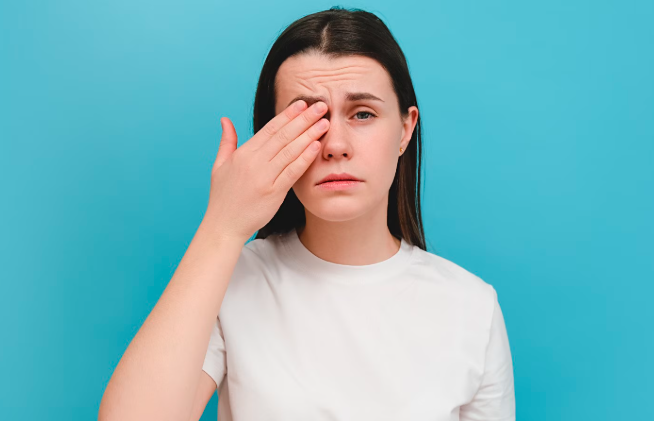
Certain health conditions, hygiene habits, and lifestyle factors make styes more likely to develop. Identifying your personal risk factors is the first step toward preventing recurrent infections. Below are some common risk factors linked to recurring or frequent styes.
Blepharitis
Blepharitis — chronic eyelid margin inflammation — is the single strongest risk factor for recurrent styes. The inflamed margins harbour excess bacteria and block meibomian glands, creating ideal conditions for infection. Managing blepharitis with daily lid hygiene routines is essential for stye prevention.
Rosacea
Ocular rosacea affects the eyelid’s oil glands, reducing the quality of the tear film and promoting bacterial overgrowth on the lid margin. People with rosacea should discuss regular lid hygiene and possible oral antibiotics with their dermatologist or ophthalmologist.
Diabetes
Elevated blood sugar impairs immune response and slows wound healing, making diabetic patients significantly more prone to styes that are larger, slower to resolve, and more likely to require medical intervention. Well-controlled blood sugar is protective.
Touching Eyes Frequently
Frequently rubbing or touching the eyes can transfer bacteria and dirt to the eyelids. This repeated contact may irritate the oil glands and increase the chance of infection. Poor hand hygiene further raises the risk of bacteria spreading to the eye area.
Sleeping With Makeup On
Overnight eye makeup is one of the most preventable stye risk factors. Mascara and eyeliner physically block meibomian gland openings and trap bacteria directly against the eyelid margin for hours. Always remove eye makeup completely before sleeping using a gentle oil-based remover.
Symptoms of a Stye
Stye symptoms develop as the blocked gland becomes inflamed and fills with pus. Severity varies by infection depth — internal styes tend to cause more pronounced swelling than external ones. Below are the key signs to watch for.
Intense Localized Pain or Tenderness
Styes cause sharp, localized pain at the exact site of the infected gland. The tenderness intensifies during blinking or when light pressure is applied. Unlike pink eye, which causes diffuse irritation, stye pain pinpoints to one spot.. In many cases, the area feels sore and sensitive before the bump becomes fully visible.
Eyelid Swelling
Eyelid swelling ranges from subtle puffiness to significant inflammation that can make the eye difficult to open. The skin over the stye often appears red and feels warm — classic signs of an active bacterial infection. Sometimes the swelling can make the eye feel heavy or uncomfortable to open fully.
Tearing
Excess tear production is the eye’s natural response to eyelid irritation. The inflamed lid margin disrupts the normal tear film, triggering reflex tearing throughout the day. This usually resolves once swelling decreases.
Grittiness
A persistent gritty or foreign-body sensation — as if sand is trapped under the eyelid — is one of the most reported stye symptoms. It results from the swollen lid margin rubbing against the eye’s surface during each blink.
Light Sensitivity
Photophobia (light sensitivity) develops when eyelid inflammation disrupts the tear film, leaving the eye’s surface more exposed. Wearing wraparound sunglasses outdoors can help during the healing period. Exposure to sunlight, screens, or strong indoor lighting may cause discomfort or the urge to squint. This sensitivity usually improves as the infection heals.
Crusting Along the Eyelid
Dried discharge from the infected gland forms a yellowish crust along the lash line, most visible in the morning. Gently clean the area with a warm, damp cotton pad — wipe from the inner corner outward in a single stroke to avoid spreading bacteria.
Stye vs Pink Eye: What’s the Difference?
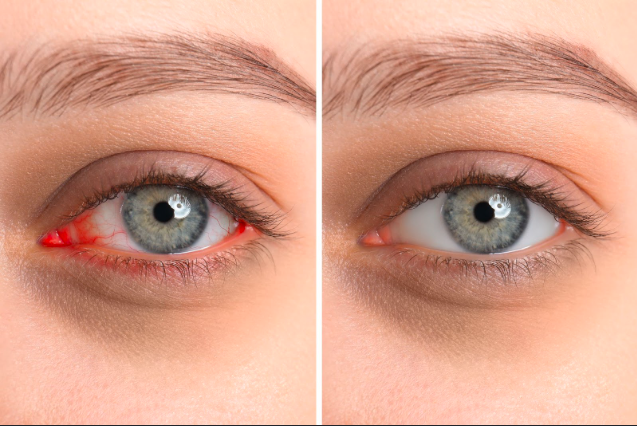
Styes and pink eye (conjunctivitis) are frequently confused because both cause a red, irritated eye. The distinction matters because their treatments differ significantly. A stye is a localized gland infection; pink eye is inflammation of the eye’s outer membrane. Use the table below to tell them apart.
| Feature | Stye | Pink Eye |
| Painful lump | Yes | No |
| Highly contagious | Usually no | Often yes |
| Cause | Blocked gland | Infection/allergy |
| Swelling | Localized | Diffuse |
How to Treat a Stye at Home?
Most styes resolve on their own within 7–10 days. Warm compress therapy remains the gold-standard home treatment — it softens the blocked gland opening and encourages natural drainage. Here is the correct technique:
- Apply a warm, clean compress to the affected eyelid for 10–15 minutes at a time.
- Repeat this process about 3–4 times daily to help open the blocked gland.
- Warm compresses may encourage natural drainage from the stye.
- This method can also help reduce pain, swelling, and eyelid discomfort.
- Use a clean cloth each time to avoid spreading bacteria around the eye area.
Medical Treatments for Persistent Styes
See a doctor if a stye has not improved after 7–10 days of consistent warm compress therapy, or sooner if swelling is spreading, vision is affected, or pain is increasing. Medical options include:
Antibiotic Ointments
Topical antibiotic ointments (commonly erythromycin or bacitracin) are applied directly to the eyelid margin twice daily to reduce bacterial load and prevent spread. They are most effective in early-stage styes or when cellulitis (skin redness spreading beyond the eyelid) is developing.
Eye Drops
Antibiotic eye drops may be prescribed if the infection shows signs of spreading to the conjunctiva (the eye’s outer surface). They complement ointments but cannot penetrate deeply enough to treat the stye gland directly — they primarily protect surrounding tissue.
Drainage Procedure
When a stye is large, fluctuant (feels fluid-filled), and has not drained after 2 weeks of treatment, a minor incision and drainage (I&D) procedure is performed under local anaesthetic in a clinical setting. This should never be attempted at home — improper drainage risks orbital cellulitis, a serious complication.
Steroid Injection
Intralesional steroid (triamcinolone) injections reduce inflammation in persistent styes or early-stage chalazia that have not responded to other treatments. This is typically a one-off procedure performed by an ophthalmologist.
What NOT to Do With a Stye?
Certain actions can worsen a stye, spread the infection, or cause complications. Avoid all of the following:
- Do not pop, squeeze, or attempt to drain a stye yourself.
- Avoid touching or rubbing the affected eye frequently.
- Do not share towels, pillowcases, or eye makeup with others.
- Avoid wearing contact lenses until the stye heals completely.
- Do not apply heavy eye makeup over the infected eyelid.
- Avoid using dirty hands or unclean cloths near the eye area.
- Do not ignore worsening swelling, pain, or vision changes.
How to Prevent Styes From Spreading?
Most styes are preventable. The following daily habits significantly reduce bacterial buildup on the eyelid margin and block the conditions that allow styes to develop. Below are some simple prevention methods that can reduce the risk of further infection.
Wash Your Hands Frequently
Wash hands with soap and water for at least 20 seconds before touching the face, applying eye medication, or handling contact lenses. Hand sanitiser is a useful backup but does not remove all bacterial matter as effectively as soap and water.
Avoid Eye Makeup Until Healed
Avoid all eye makeup until the stye has completely healed and the eyelid is no longer tender. Once healed, replace all eye cosmetics that were in use during the infection period, and never share them with others.
Avoid Contact Lenses Until Healed
Avoid contact lenses for the full duration of a stye. After recovery, clean your lens case with multipurpose solution (never water), let it air-dry face-down on a clean tissue, and replace it every 1–3 months.
When Should You See a Doctor?
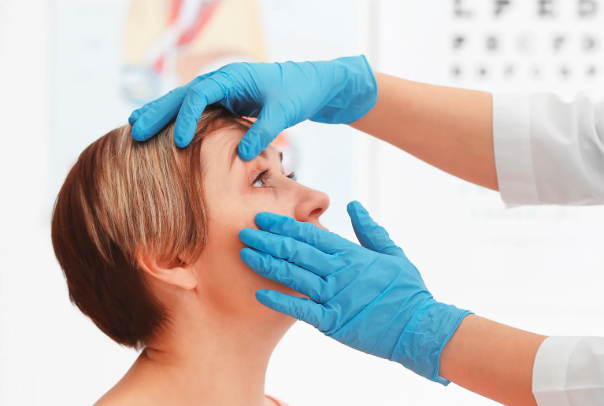
See a doctor or ophthalmologist promptly if: the stye has not improved after 7–10 days of warm compress therapy; the swelling is spreading beyond the eyelid; you develop a fever; your vision changes; or the stye recurs in the same spot multiple times (which may indicate a chalazion or, rarely, sebaceous gland carcinoma that requires biopsy).
Conclusion
Styes are not contagious, but the bacteria causing them can spread through shared items and poor eyelid hygiene. Most resolve within 7–10 days using warm compresses applied for 10–15 minutes, three to four times daily.
Replacing contaminated eye makeup, maintaining a daily lid hygiene routine, and avoiding contact lenses during active infection are the most effective preventive steps.
If your stye is not improving after one week, growing rapidly, or affecting your vision, seek prompt medical evaluation — persistent or recurrent styes occasionally indicate an underlying condition that requires treatment.
Frequently Asked Question
Can allergies increase the risk of styes?
Yes. Frequent eye rubbing caused by allergies can irritate the eyelids and introduce bacteria into the eye area.
Can dehydration contribute to styes?
Dehydration may affect tear production and eyelid health, which could indirectly contribute to blocked oil glands.
Can crying make a stye worse?
Crying does not usually worsen a stye, but rubbing the eyes afterward may increase irritation and swelling.
an weather changes trigger styes?
Dry, windy, or dusty environments may irritate the eyes and increase the chances of blocked eyelid glands.
Related Articles
Behavioral Health Billing: Complete Guide to Process, Coding, Claims, and Compliance
Does Mold Cause Headaches? Symptoms, Causes, Treatment and Prevention Explained
Could Asthma Kill You? The Warning Signs Most People Ignore
Eyes in Concussion: Symptoms, Vision Problems, and Recovery
Contributory Health Service Scheme: Benefits, Eligibility, Registration and Healthcare Coverage


