


If you’re experiencing cramps but no period, you’re not alone — and it’s completely understandable to feel confused or anxious about what your body is telling you. While menstrual cramps are common, experiencing similar pain without your period can happen for a wide range of reasons — many of them completely harmless.
In many cases, it may be linked to pregnancy, ovulation, or digestive issues like IBS or constipation — but it can also stem from conditions like pelvic inflammatory disease (PID) or, in rare cases, ectopic pregnancy, which requires immediate medical attention. Other underlying gynecological conditions — such as endometriosis, ovarian cysts, fibroids, or PCOS — can also cause this type of cramping.
Understanding the cause behind these cramps is important because not all situations are harmless. In this article, we’ll break down the most common causes of cramps without a period, explore early pregnancy signs you should watch for, and explain when it’s time to worry and seek professional help.
What Does It Mean to Have Cramps But No Period?
Having cramps without a period usually points to changes happening inside your body that aren’t directly tied to menstruation. One common reason is hormonal fluctuations — shifts in estrogen and progesterone can trigger uterine contractions even when bleeding doesn’t occur.
It can also be related to the digestive system—issues like bloating, gas, or bowel irregularities can create pain that feels very similar to menstrual cramps. In some cases, these sensations may signal early pregnancy, when the uterus begins to adjust after implantation.
Is It Normal to Have Cramps Without a Period?
Yes, it can be completely normal to experience cramps even when your period doesn’t arrive—sometimes referred to as a “phantom period.” This usually happens when your body goes through the typical hormonal cycle, but bleeding is delayed or skipped.
Mild cramping can occur around ovulation or due to temporary hormone shifts, especially during stress, changes in routine, or birth control adjustments. These cramps are often short-lived and not a cause for concern if they don’t come with severe pain or unusual symptoms.
Common Causes of Cramps But No Period
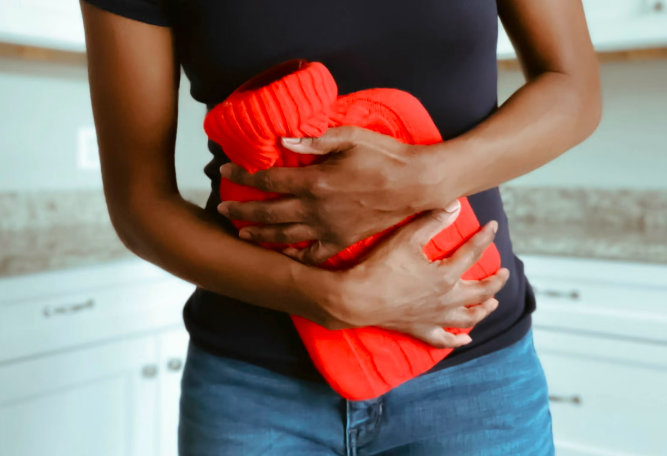
Cramps without a period can stem from a wide range of causes — from completely normal body processes to conditions that need medical attention. Below are 15 key possibilities, explained clearly so you can identify what your body may be signaling.
Early Pregnancy (Implantation)
In early pregnancy, cramps can occur when the fertilized egg attaches to the uterine lining. This implantation process may cause mild, pulling sensations similar to period pain. These cramps are usually lighter, shorter, and may come with subtle symptoms like spotting or fatigue.
Ectopic Pregnancy
In an ectopic pregnancy, the fertilized egg implants outside the uterus — usually in a fallopian tube. This can cause sudden, sharp cramping on one side of the lower abdomen, along with shoulder pain, dizziness, or vaginal bleeding. This is a medical emergency. If you experience these symptoms with a missed period, seek emergency care immediately.
Ovulation Pain
Ovulation can trigger one-sided lower abdominal pain when the ovary releases an egg. This happens mid-cycle and is known as mittelschmerz. The discomfort is typically brief but can feel sharp or cramp-like depending on your body’s sensitivity.
Digestive Issues (Constipation, IBS)
Digestive problems such as constipation or irritable bowel syndrome can mimic menstrual cramps. Gas buildup or irregular bowel movements create pressure in the lower abdomen. This type of pain often changes after eating, passing stool, or moving around.
Hormonal Imbalances That Cause Cramps But No Period
Hormones play a major role in regulating your menstrual cycle, so even slight imbalances can lead to cramping without bleeding. In this section, we’ll look at key hormonal causes that can trigger these symptoms.
Polycystic Ovary Syndrome (PCOS)
Polycystic Ovary Syndrome affects how the ovaries function, often leading to irregular or missed periods. Hormonal imbalance—especially higher androgens—can still trigger uterine cramping without actual menstruation. This condition is also linked with symptoms like acne, weight changes, and irregular cycles.
Thyroid Issues
The thyroid gland controls metabolism and hormone balance, so disorders can disrupt menstrual timing. Conditions like Hypothyroidism or Hyperthyroidism may cause delayed or absent periods while still producing cramp-like pain. These imbalances can also bring fatigue, mood changes, or weight fluctuations.
Perimenopause
Perimenopause is the transitional stage before menopause when hormone levels fluctuate unpredictably. These changes can lead to skipped periods while the uterus still responds with cramping. Women may also notice hot flashes, sleep issues, or cycle irregularity during this phase.
Excessive Prostaglandin Production
Prostaglandins are hormone-like chemicals that cause the uterus to contract. When produced in excess, they can trigger cramps even without menstrual bleeding. This can result in stronger, more noticeable pain despite the absence of a period.
Medical Conditions Linked to Cramps Without Period
Cramps without a period can sometimes be linked to underlying medical conditions, particularly those affecting the reproductive organs. Two of the most common causes are discussed below, as they can trigger pain even outside the menstrual cycle.
Endometriosis
Endometriosis occurs when tissue similar to the uterine lining grows outside the uterus, such as on the ovaries or pelvic lining. This misplaced tissue still responds to hormonal signals, which can lead to inflammation and cramping even when there’s no period. The pain may feel persistent and is often deeper or more intense than typical cramps.
Ovarian Cysts
Ovarian cysts are sacs filled with fluid that can develop on or inside an ovary. While many are harmless, larger or changing cysts can cause pressure or sharp cramping in the lower abdomen. The discomfort may come and go depending on the cyst’s size or if it affects surrounding tissues.
Pelvic Inflammatory Disease (PID):
PID is an infection of the female reproductive organs, often caused by sexually transmitted bacteria. It can cause persistent pelvic cramping, fever, unusual discharge, and pain during intercourse. Left untreated, PID can lead to serious complications including infertility — making early diagnosis important.
Digestive Issues That Mimic Period Cramps
Not all cramps come from the reproductive system—many digestive problems can create similar lower abdominal pain. In this section, we’ll look at common gut-related causes that are often mistaken for menstrual cramps.
Irritable Bowel Syndrome (IBS)
Irritable Bowel Syndrome affects how the intestines contract, leading to cramping, bloating, and irregular bowel habits. The pain can feel very similar to period cramps and often comes in waves. It may worsen after eating or during stress.
Constipation
Constipation occurs when bowel movements become infrequent or difficult, causing pressure in the abdomen. This buildup can lead to dull, persistent cramping that mimics menstrual pain. Relief often comes after passing stool or improving fiber and fluid intake.
Excessive Gas
Gas accumulation in the intestines can stretch the abdominal walls and trigger sharp or cramp-like discomfort. The pain may shift in location and intensity as gas moves through the digestive tract. It’s often temporary and linked to diet or swallowing air.
Food Intolerances
Food intolerances happen when your body struggles to digest certain foods, such as lactose or gluten. This can lead to bloating, inflammation, and cramping sensations in the lower abdomen. Symptoms usually appear after eating trigger foods and improve once they’re avoided.
Inflammatory Bowel Disease (IBD)
Inflammatory Bowel Disease includes conditions like Crohn’s disease and Ulcerative colitis, which cause ongoing inflammation in the digestive tract. This inflammation can result in recurring abdominal cramps that may feel similar to period pain. Symptoms are often more persistent and may include diarrhea or fatigue.
Lifestyle Factors That Affect Your Cycle
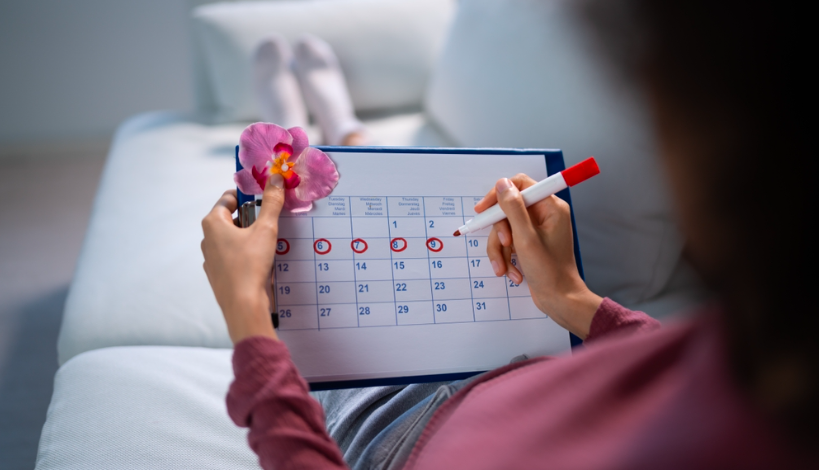
Your daily habits and routines can directly influence your hormonal balance and menstrual cycle. In this section, we’ll look at key lifestyle factors that can lead to cramps even when your period doesn’t occur.
Chronic Stress: Long-term stress increases cortisol levels, which can interfere with the hormones responsible for regulating your cycle. This disruption may delay or stop your period while still triggering uterine contractions, resulting in cramps without bleeding.
Extreme Weight Fluctuations: Rapid weight gain or loss can significantly affect estrogen production — a hormone critical for menstruation. When body fat levels shift dramatically, your cycle may become irregular or pause entirely, yet hormonal signals can still produce cramp-like sensations.
Intense Exercise: Excessive physical activity can put stress on the body and suppress reproductive hormones. This is common in athletes or those with very high training intensity. Even if periods become lighter or stop, the body may still produce sensations similar to menstrual cramps.
How to Relieve Cramps Without a Period?
There are several simple and effective ways to ease cramps even when your period isn’t present. These methods focus on relaxing muscles, reducing inflammation, and supporting overall body balance. Below are practical approaches that can help manage the discomfort.
Heat Therapy (Heating Pads)
Applying heat to the lower abdomen helps relax the uterine and surrounding muscles, which can reduce cramping. A heating pad or warm compress increases blood flow to the area, easing tension. This method is especially useful for dull, persistent pain.
OTC Anti-Inflammatory Medication
Over-the-counter options like Ibuprofen work by reducing inflammation and blocking pain signals. They can be effective for moderate cramps that interfere with daily activities. It’s important to follow the recommended dosage to avoid side effects.
Gentle Exercise (Yoga, Walking)
Light physical activity encourages blood circulation and helps release endorphins, which act as natural pain relievers. Activities like stretching, yoga, or short walks can ease tightness in the abdominal area. Regular movement may also prevent cramps from becoming more intense.
Hydration
Staying well-hydrated supports muscle function and can reduce the likelihood of cramping. Proper fluid intake helps minimize bloating and improves overall digestion, which may ease abdominal discomfort. Warm fluids like herbal teas can provide additional soothing effects.
Stress Reduction
Managing stress is key because high stress levels can worsen hormonal imbalances and muscle tension. Techniques such as deep breathing, meditation, or relaxation exercises can calm the body. Reducing stress may help decrease both the frequency and intensity of cramps.
When to Worry & Seek Medical Help?

While occasional cramps without a period can be harmless, certain warning signs should not be ignored. Knowing when to seek medical advice can help identify serious conditions early and prevent complications.
- Severe Pain
Intense or sharp cramps that disrupt daily activities may indicate more than normal body changes. This level of pain can sometimes be linked to conditions affecting the reproductive or digestive system. Immediate evaluation helps rule out urgent issues. - Fever
Cramps combined with fever may point to an infection in the body. This could involve the reproductive organs or digestive tract and may require prompt treatment. Ignoring it can lead to worsening symptoms. - Unusual Discharge
Changes in color, smell, or consistency of discharge along with cramps can indicate infection or imbalance. This type of symptom often needs medical evaluation for proper diagnosis. Early treatment can prevent further complications. - Unexpected Bleeding
Any bleeding outside your normal cycle paired with cramps should be taken seriously. It may be related to hormonal changes or other medical conditions that need investigation. A doctor can determine whether it’s a minor issue or something requiring treatment.
Conclusion:
Cramps without a period can stem from many causes — some routine (ovulation, stress, digestive issues) and some requiring prompt medical attention (ectopic pregnancy, PID, endometriosis). In most cases, occasional cramping without a period is nothing to worry about.
However, severe, one-sided, or persistent pain — especially when accompanied by fever, unusual discharge, dizziness, or shoulder pain — should never be ignored. Trust your body, track your symptoms, and when in doubt, consult a qualified healthcare provider. Early evaluation is always better than waiting.
Frequently Asked Questions
How long can cramps last without a period?
Cramps can last from a few minutes to several days, depending on the cause. If they persist longer than a week or worsen, you should seek medical advice.
Can ovulation cause cramps without bleeding?
Yes, ovulation can cause mild to moderate cramps (called mittelschmerz) without any bleeding. It usually happens mid-cycle and lasts a few hours to 1–2 days.
Why do I have cramps but no period and am not pregnant?
You may have cramps due to hormonal changes, ovulation, stress, digestive issues (like gas or IBS), or conditions such as PCOS, fibroids, or endometriosis. Sometimes your period is simply late.
Can dehydration cause cramps without a period?
Yes, dehydration can lead to muscle cramps and abdominal discomfort, which may feel similar to menstrual cramps.
Is it normal to have cramps after a missed period?
Yes, it can happen due to delayed menstruation, hormonal imbalance, or underlying conditions like PCOS.
Related Articles
Contributory Health Service Scheme: Benefits, Eligibility, Registration and Healthcare Coverage
Headache After Chiropractor: Causes, Symptoms, Relief, and Recovery Guide
Are Styes Contagious? Causes, Symptoms & Treatment (Hordeolum Guide)
Skin Cancer on the Scalp: Complete Guide to Signs, Causes & Treatment
How Long Does Cataract Surgery Take? Complete Timeline & Recovery Guide