


Allergies occur when the immune system mounts an exaggerated response to harmless substances — such as pollen, dust mites, pet dander, or specific foods. Environmental factors like diet, air quality, and early childhood exposure all influence when and how these reactions develop, but your genetic makeup is one of the most powerful underlying predictors.
So, are allergies hereditary? Yes. Research consistently shows that if one parent has allergies, a child faces a 30–50% increased likelihood of developing allergic conditions. When both parents are affected, that figure rises to 60–80%. Importantly, the child may not inherit the same specific allergy — rather, they inherit a heightened immune sensitivity known as atopy.
In this guide, you will find a clinically grounded answer to ‘are allergies hereditary,’ along with the genetic mechanisms behind hereditary allergies, early warning signs to watch for in children, evidence-based treatment options, and actionable prevention strategies — especially for families with a known allergy history.
How Do Genetics Increase Your Risk of Allergies?

Genetics shape allergy risk by determining how your immune system is ‘programmed’ to identify and react to foreign substances. This inherited tendency is called atopy — a predisposition to develop conditions like allergic rhinitis, asthma, eczema, and food allergies. Atopy runs in families because it is driven by variations in specific immune-regulatory genes.
Several genes — including STAT6, IL-4, and IL-13 — regulate the production of Immunoglobulin E (IgE), the antibody that drives allergic hypersensitivity reactions. When these genes carry certain variants, the immune system produces excess IgE in response to allergens it would otherwise ignore.
Genetic variants can also impair the skin barrier — most notably mutations in the filaggrin (FLG) gene, strongly linked to eczema — and increase respiratory tract sensitivity. It is important to understand that genetics do not determine which specific allergen will affect you; they simply elevate your overall immune reactivity, with environmental triggers determining the final expression of that risk.
How Family History Shapes Your Allergy Risk
Family history is one of the strongest predictors of allergy development. Clinical studies show a child has a 30–50% probability of developing allergic conditions when one parent is affected, rising to 60–80% when both parents have documented allergies.
Interestingly, research also suggests that the mother’s allergy history may carry slightly more weight than the father’s in determining the child’s risk.
Children may not develop the same type of allergy as their parents, but they carry a higher overall risk of allergic conditions. The level of genetic influence depends on how many family members are affected and the severity of their allergies.
Most Common Types of Hereditary Allergies (and Their Genetic Links)
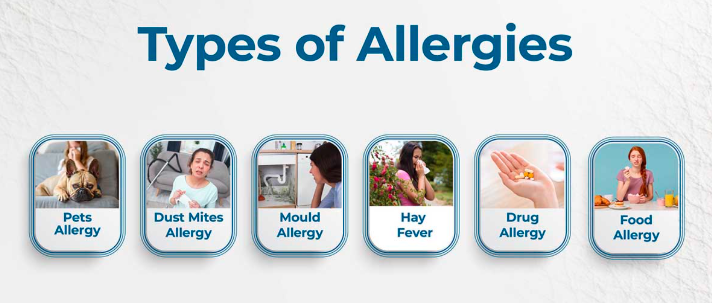
Genetic factors raise the risk of allergies — especially with a family history of atopy — and usually appear as different allergic conditions rather than the same one. Below are the most common types:
Asthma
A chronic inflammatory condition affecting the airways, asthma causes wheezing, chest tightness, shortness of breath, and persistent cough — particularly when triggered by allergens like dust mites, pollen, or pet dander.
Asthma has one of the strongest hereditary patterns among allergic conditions, with over 100 genetic variants identified as contributing factors.
Hay Fever (Allergic Rhinitis)
Allergic rhinitis is an IgE-mediated reaction that affects the nasal passages and eyes in response to airborne triggers such as tree pollen, grass, dust mites, or mold spores. Symptoms include persistent sneezing, nasal congestion, and itchy, watery eyes. It is among the most heritable of all allergic conditions, affecting up to 30% of adults globally.
Eczema (Atopic Dermatitis)
Eczema is a chronic inflammatory skin condition characterized by dryness, redness, and intense itching. It is directly linked to filaggrin (FLG) gene mutations that weaken the skin barrier, allowing allergens and irritants to penetrate more easily.
Children with eczema have a significantly elevated risk of later developing asthma or hay fever — a progression known as the ‘atopic march.’
Food Allergies
Food allergies occur when the immune system incorrectly identifies a food protein as a threat. The most common culprits are peanuts, tree nuts, milk, eggs, wheat, soy, fish, and shellfish. Reactions range from mild hives to anaphylaxis, a life-threatening emergency.
Notably, the landmark LEAP study (2015) demonstrated that early, controlled introduction of peanuts in high-risk infants can reduce peanut allergy risk by up to 81%.
Environmental Triggers That Activate Hereditary Allergy Risk

Environmental factors play a major role in triggering allergic reactions — especially in people with a genetic tendency. Below are the key triggers:
Outdoor Pollen
Tree, grass, and weed pollens are the primary drivers of seasonal allergic reactions. For genetically predisposed individuals, even brief pollen exposure can trigger significant symptoms. Pollen counts are highest on warm, dry, windy days — checking local pollen forecasts and limiting outdoor activity during peak hours (5–10 AM) can meaningfully reduce exposure.
Indoor Mold
Mold spores thrive in damp, poorly ventilated spaces — bathrooms, basements, and window frames are common hotspots. In genetically susceptible individuals, chronic mold exposure can trigger or significantly worsen asthma and rhinitis. Maintaining indoor humidity below 50% using a dehumidifier is one of the most effective control strategies.
Pet Dander
Pet dander — microscopic skin flakes shed by cats, dogs, and other animals — remains airborne for hours and embeds in fabrics and carpets for months. For those with hereditary allergy risk, HEPA air purifiers and keeping pets out of bedrooms can substantially reduce allergen load without requiring pet rehoming.
Dust Mites
Dust mites are microscopic organisms that colonize bedding, mattresses, carpets, and upholstered furniture. Their fecal particles and body fragments are among the most potent indoor allergens, capable of triggering asthma, rhinitis, and eczema flares.
Allergen-proof mattress and pillow covers, combined with washing bedding weekly at 60°C (140°F), are clinically recommended first-line interventions.
Chemical Irritants
Tobacco smoke, air pollutants, cleaning agents, and synthetic fragrances do not cause IgE-mediated allergies, but they significantly lower the threshold at which allergic reactions are triggered in sensitized individuals.
Research links prenatal tobacco smoke exposure to increased childhood asthma risk — making smoke-free environments especially important for families with hereditary allergy risk.
Can You Develop Allergies Without a Family History? Yes — Here’s Why
Yes — you can develop allergies even with no family history of the condition. Non-hereditary allergies are largely driven by environmental and lifestyle factors. The hygiene hypothesis, widely supported in immunological research, proposes that reduced childhood exposure to microbial diversity — common in modern, sanitized urban environments — leaves the immune system under-stimulated and more prone to misdirected reactions against harmless substances.
Moving to a new location, exposure to different climates, or increased contact with new allergens can also lead to sensitization over time. The immune system may begin to recognize previously tolerated substances as harmful after repeated exposure.
Early Allergy Signs to Watch for in Children
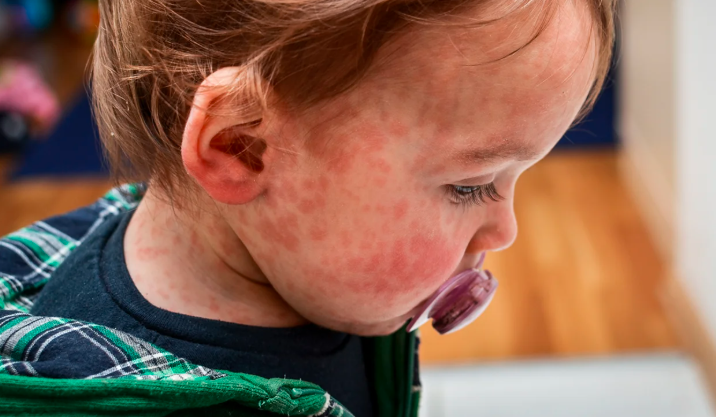
Early allergy symptoms in children are frequently subtle and may be misattributed to recurrent colds or infections. Knowing what to look for — especially if your family has a history of atopy — allows for earlier intervention and better long-term outcomes.
Chronic Cold-Like Symptoms
A runny nose, nasal congestion, and sneezing that persist beyond 10–14 days and occur without fever are hallmark signs of allergic rhinitis rather than a viral cold. Symptoms that worsen at specific times of year or in specific locations (near pets, outdoors) strongly suggest an allergic cause and warrant evaluation.
Itchy or Watery Eyes
Persistent bilateral itching, redness, or excessive tearing — particularly after outdoor exposure or contact with animals — is a reliable indicator of allergic conjunctivitis. Unlike eye infections, allergic eye symptoms typically improve when the trigger is removed and worsen in specific seasons.
Skin Manifestations (Eczema or Hives)
Skin manifestations of allergy include atopic dermatitis (eczema) — characterized by dry, inflamed, itchy patches typically in skin folds — and urticaria (hives), raised welts appearing within minutes of allergen contact.
Eczema appearing in infancy is one of the earliest and most reliable predictors that a child will develop other atopic conditions later in childhood.
Effective Treatment Options for Hereditary and Non-Hereditary Allergies
Antihistamines
Antihistamines work by blocking H1 receptors, preventing histamine from triggering the cascade of allergy symptoms. Second-generation antihistamines (cetirizine, loratadine, fexofenadine) are generally preferred over first-generation options as they cause significantly less drowsiness.
Available as tablets, syrups, eye drops, and nasal sprays, they offer rapid symptom relief but do not address the underlying immune sensitization.
Allergen Immunotherapy (Allergy Shots or Sublingual Drops)
Allergen immunotherapy (AIT) — delivered as subcutaneous injections or sublingual tablets/drops — is the only treatment that modifies the underlying allergic immune response rather than masking symptoms.
Over a 3–5 year course, AIT can reduce symptom severity by up to 90% in some patients and may prevent the progression of allergic rhinitis into asthma. It is especially valuable for individuals with a strong hereditary allergy background.
Environmental Control and Lifestyle Management
Environmental control measures play a critical supporting role alongside medical treatment. Practical steps include allergen-proof bedding covers, HEPA filtration, regular vacuuming with HEPA-filter vacuums, and avoiding outdoor activity during high pollen periods.
When combined with pharmacotherapy, environmental control can reduce medication requirements and significantly improve quality of life.
Can Hereditary Allergies Be Prevented? What the Evidence Shows

Hereditary allergies cannot be prevented by changing your genes — but mounting evidence shows that early-life interventions can significantly reduce both the likelihood and severity of allergic conditions in genetically at-risk children.
The immune system is most ‘trainable’ in the first years of life, making early childhood the critical window for prevention strategies.
Controlled allergen exposure during infancy — not avoidance — is increasingly supported by research. The LEAP trial demonstrated that introducing allergenic foods early dramatically reduces food allergy risk. Similarly, growing evidence suggests that exposure to a diverse range of microbes in early childhood may train the immune system to distinguish threats from harmless substances.
Breastfeeding for at least the first four to six months is associated with a reduced risk of early atopic conditions, particularly eczema, in high-risk infants. Beyond breastfeeding, introducing complementary foods — including common allergens — at around four to six months is now recommended by major allergy organizations including the AAAAI.
Evidence-Based Lifestyle Strategies to Reduce Allergy Risk
Strategic Allergen Avoidance
Informed allergen avoidance — based on your specific allergy test results — is more effective than generic avoidance. During high pollen seasons, keep windows closed, use air conditioning with HEPA filters, shower after outdoor activity to remove pollen, and wear wraparound sunglasses outdoors to protect eyes.
Allergen-Proof Your Bedroom First
The bedroom is the highest-priority area, since most people spend six to eight hours there nightly. Encase mattresses and pillows in allergen-proof covers, wash all bedding weekly at minimum 60°C (140°F), remove carpeting where possible in favor of hard flooring, and use a dehumidifier to maintain humidity below 50%.
Support Gut and Immune Health
Emerging research points to the gut microbiome as a key regulator of immune reactivity. Diets rich in fiber and fermented foods (yogurt, kefir, sauerkraut) support microbial diversity, which may reduce inflammatory immune responses.
Regular moderate exercise demonstrates anti-inflammatory effects that may benefit allergic individuals, while chronic sleep deprivation is associated with elevated IgE levels and worsened allergic symptoms.
When to See a Doctor

Consult a board-certified allergist — not just a general practitioner — if your symptoms are persistent, poorly controlled with over-the-counter medications, or significantly impacting sleep, work, or quality of life.
If you have a family history of allergies and begin experiencing new or recurring symptoms, early assessment can identify triggers and guide appropriate management before symptoms escalate.
Conclusion
Hereditary allergies are shaped by a complex interaction between genetic predisposition and environmental exposure — neither factor alone tells the complete story. Family history is a powerful risk indicator, and early identification of that risk creates an opportunity for meaningful prevention.
With the right combination of environmental controls, evidence-based medical treatment, and informed early-life choices, the impact of hereditary allergies can be significantly reduced — even in those with the strongest genetic risk.
Frequently Asked Questions
Are seasonal allergies inherited?
Yes, seasonal allergies are strongly heritable, particularly when one or both parents are affected. Genetic factors increase sensitivity to triggers like pollen or mold, though the severity and timing of symptoms can vary considerably between family members.
Can twins have different allergies?
Yes — even identical twins can develop different allergies, which demonstrates that genetics alone do not dictate specific allergic responses. Differences in environmental exposure, diet, and microbiome composition all contribute to different immune outcomes.
Can hereditary allergies disappear over time?
Yes. Many children outgrow food allergies, particularly to milk and eggs, though peanut and tree nut allergies tend to be more persistent. Allergic rhinitis and asthma can also improve with age or with immunotherapy. However, new allergies can develop at any stage of life.
Is allergy testing necessary if parents have allergies?
Testing is not required simply because parents have allergies — but it is strongly recommended if a child shows symptoms that interfere with daily life, sleep, or school performance. Skin prick tests and specific IgE blood tests can identify exact triggers, enabling targeted treatment.
Do food allergies run in families?
Yes. Food allergies cluster in families due to inherited immune sensitivity. A family history of any allergic condition increases a child’s risk for food allergies, even if the parents themselves are not food-allergic. The type of food allergy may differ across generations.
Related Articles
Behavioral Health Billing: Complete Guide to Process, Coding, Claims, and Compliance
Does Mold Cause Headaches? Symptoms, Causes, Treatment and Prevention Explained
Could Asthma Kill You? The Warning Signs Most People Ignore
Eyes in Concussion: Symptoms, Vision Problems, and Recovery
Contributory Health Service Scheme: Benefits, Eligibility, Registration and Healthcare Coverage