

To Buy Lopressor Online Visit Our Pharmacy ↓
 Lopressor Side Effects and How to Manage Them
https://pelmeds.com/wp-content/uploads/2024/08/jpg/clomiphene.html
Common Lopressor Side Effects to Watch for
Lopressor can leave some people feeling tired, dizzy, or a bit lightheaded, especially when they first start taking it. A slower pulse and mild nausea may also show up, making daily routines feel harder than usual.
Some notice cold hands, trouble sleeping, or an unusual sense of fatigue that lingers through the day. These effects are often manageable, but they can still be noticeable and frustrating.
Other reactions, like shortness of breath or swelling, are less common and deserve attention. Keeping track of changes helps you spot patterns early and decide when to call your doctor.
Why Lopressor Causes These Reactions
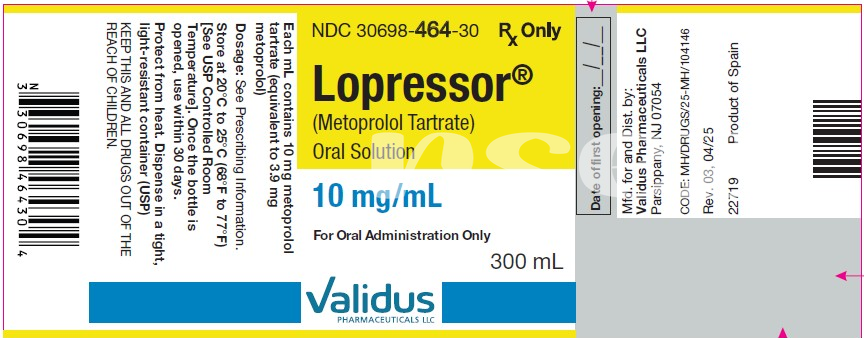
Lopressor works by slowing the heart and lowering blood pressure, so the body may need time to adjust. When that shift happens, people can feel tired, dizzy, or lightheaded, especially when standing too quickly. These reactions are often linked to the medicine’s effect on the heart’s pumping speed and the way blood flows through the body.
Some symptoms appear because the body is reacting to a lower workload than it is used to. lopressor can also affect circulation and, in certain people, make the pulse feel unusually slow or weak. If you notice fatigue, cold hands, or mild weakness, it may simply mean your system is adapting to a stronger cardiovascular effect.
For many patients, these changes are temporary and manageable. Staying hydrated, rising slowly, and tracking when symptoms occur can help you see patterns. But if the discomfort is sever, persistent, or interferes with daily life, it may signal that the dose is too strong or needs review.
Everyday Strategies to Ease Mild Symptoms
Simple habits can make lopressor easier to live with. Taking it at the same time each day, with food if your doctor approves, may help reduce dizziness or nausea. Rising slowly from chairs or bed can also prevent lightheaded spells, while drinking enough water supports steadier energy. If fatigue shows up, plan heavier tasks for later in the day and give yourself brief rest breaks so your body can adjust.
Keep track of how you feel, because small patterns often reveal what helps most. Some people notice fewer stomach upset episodes when they avoid alcohol and eat lighter meals. If symptoms feel persistent, a quick note in a calendar can help you and your doctor spot triggers and make smarter changes.
When Side Effects Become a Medical Concern
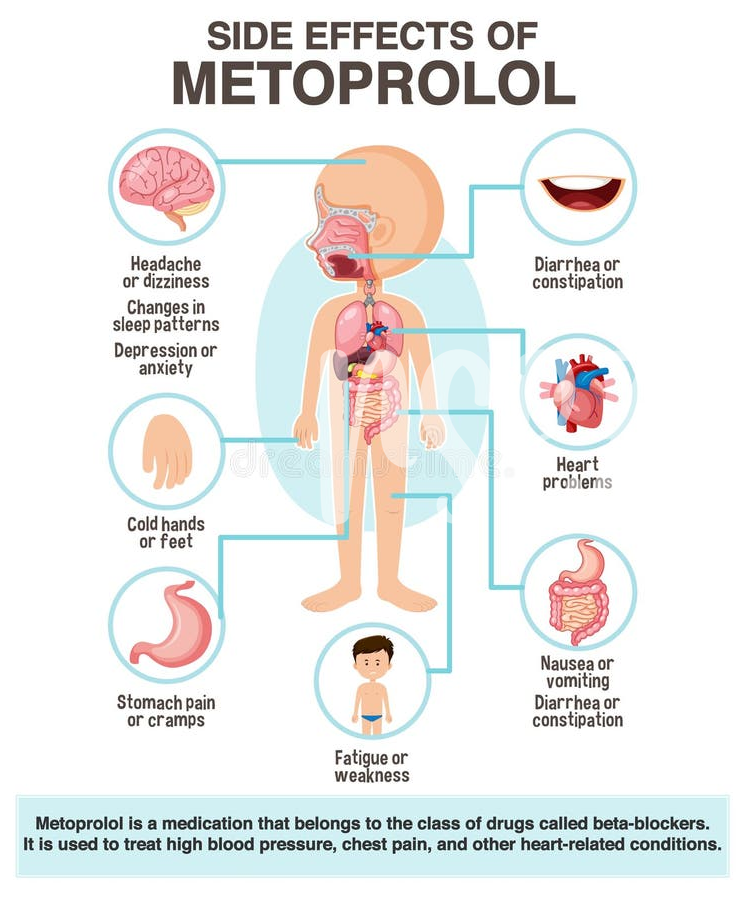
A few mild side effects may pass quietly, but some signal it is time to act. If lopressor causes dizziness, fainting, or a slow heartbeat that feels unusual, don’t brush it off as simple fatigue.
Trouble breathing, swelling, chest pain, or a sudden rash need prompt medical attention. These can point to a more serious reaction, and waiting can make the situation worse.
It is wise to call your doctor if side effects become persistent, severe, or start affecting daily tasks. Even a subtle change in energy, mood, or sleep can matter when it keeps growing.
Teh earlier you speak up, the easier it is to adjust treatment safely. A quick check-in can prevent a minor issue from becoming an emergency, while still protecting the benefits of lopressor.
Talking to Your Doctor about Safer Adjustments
A short note in your journal can help you notice patterns after taking lopressor. If dizziness, fatigue, or a slower pulse keeps showing up, tell your doctor what you felt and when it happened.
Bring details about dose, timing, and any other medicines or supplements. That makes it easier to separate normal adjustment from a dose that may be too strong.
Your doctor may suggest a smaller dose, a different schedule, or another beta-blocker. Never change treatment on your own, because sudden shifts can make symptoms worse.
If needed, ask about blood pressure checks, pulse monitoring, and a clear plan for what to do next. Teh right adjustment often improves comfort without losing control.
Lifestyle Habits That Support Better Tolerance
Daily habits can make Lopressor feel much easier to live with. Staying hydrated, eating regular meals, and standing up slowly may help reduce dizziness or fatigue. Light excercise, like walking, can support circulation and improve energy without pushing the body too hard. A steady sleep routine also matters, because rest gives your system time to adjust and can make side effects feel less intense.
It also helps to limit alcohol and watch caffeine, since both can worsen lightheadedness or heart-rate changes in some people. If Lopressor upsets the stomach, taking it with food may improve comfort, but follow your prescriber's directions. Keep a simple symptom journal so you can spot patterns between meals, activity, and how you feel. Small adjustments often make a big difference over time, especially when they are consistent.
Above all, think of tolerance as something you and your body build together. Good nutrition, moderate movement, stress reduction, and careful medication timing can all support better day-to-day experiance. If symptoms keep returning, bring your notes to your clinician so the plan can be refined safely. NCBI Bookshelf MedlinePlus
https://montgomeryanimal.com/wp-content/uploads/2023/10/jpg/cipro.html https://4naturalwellness.com/wp-content/uploads/2025/09/html/buy-phenergan.html