

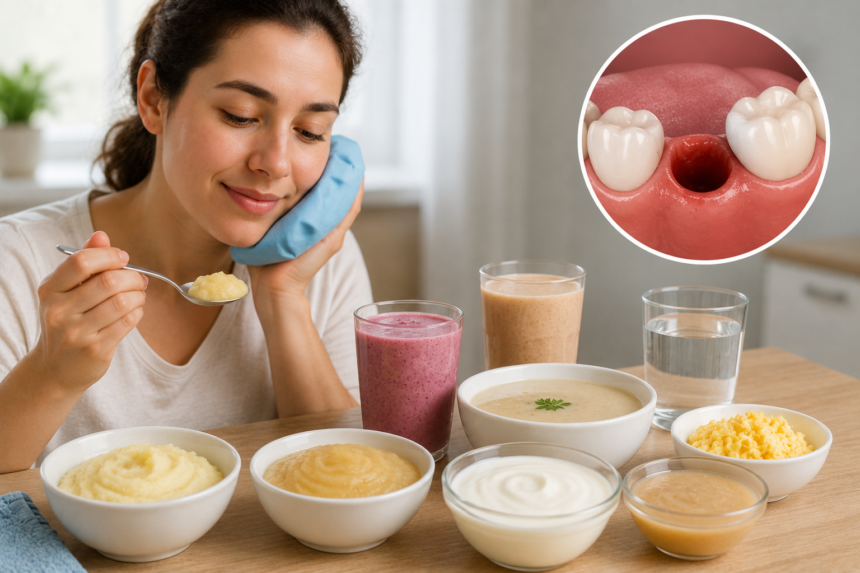
Getting a tooth pulled leaves most people with one urgent question: what can i eat after tooth extraction without slowing down healing or triggering complications? The socket left behind needs a stable blood clot to form, and the wrong food choice in the first few hours can dislodge that clot and cause a painful dry socket.
The good news is that eating well after an extraction does not mean starving yourself or living on ice chips alone. With the right sequence of soft, nourishing foods, you can stay comfortable, keep your energy up, and support faster gum healing.
This guide breaks the recovery period into clear stages, from the first 24 hours through the first week, so you always know exactly what is safe to put on your plate.
Why Food Choices Matter After a Tooth Extraction
What you eat right after an extraction directly affects how quickly the socket heals and whether complications develop. The following sections explain the two main reasons food choice matters so much during this window.
How Eating Affects Healing and Blood Clot Formation
Immediately after extraction, a blood clot forms inside the empty socket, and this clot acts as a protective barrier while new tissue grows underneath it. Chewing near the site, eating hard foods, or generating suction while eating can disturb or dislodge this clot before healing is complete. Sticking to soft foods in the early days lets the clot stay undisturbed and gives the gum tissue time to begin closing over the wound.
Risk of Dry Socket and Infection
Dry socket occurs when the protective blood clot is lost too early, exposing bone and nerve endings underneath, which causes intense pain that can radiate to the ear or jaw.
Certain foods and habits, such as crunchy snacks, hot beverages, or drinking through a straw, raise this risk considerably in the first two to three days.
Choosing gentle, non-irritating foods also lowers the chance of food particles becoming trapped in the socket, which can lead to infection if left uncleaned.
What to Eat Immediately After Extraction (First 24 Hours)
The first 24 hours call for the softest, coolest foods possible since the socket is at its most fragile. This is the stage where most people search specifically for what can i eat after tooth extraction, and the answer is simple, cold, no-chew options.
Best Foods for the First 24 Hours
During this stage, yogurt, mashed potatoes, blended soups that have cooled down, and smooth applesauce are excellent choices because they require no chewing at all. Protein shakes and smoothies also work well, though they should be eaten with a spoon rather than sipped through a straw. Cold foods like plain ice cream or chilled pudding can even help numb the area slightly and reduce swelling.
Why Cold and Room-Temperature Foods Are Preferred
Cold and lukewarm foods help constrict blood vessels near the extraction site, which naturally reduces swelling and mild bleeding during the first day. Hot foods and drinks, by contrast, increase blood flow to the area and can encourage the clot to break down before it has properly set. Keeping meals at a cool or neutral temperature for the first 24 hours is one of the simplest ways to protect the healing socket.
| Day 1 Recommended Foods | Day 1 Foods to Avoid |
| Yogurt, mashed potatoes | Chips, crackers |
| Blended cooled soups | Hot soups or tea |
| Applesauce, pudding | Nuts, seeds |
| Smoothies (spoon-fed) | Anything through a straw |
| Ice cream (plain) | Spicy or acidic foods |
What to Eat 2-3 Days After Extraction
By day two or three, swelling usually starts to settle and slightly firmer textures can be introduced carefully. The sections below cover which foods fit this transitional stage and how to plan meals around it.
Transitioning to Slightly Firmer Soft Foods
Foods like well-cooked pasta, scrambled eggs, soft-cooked vegetables, and mashed bananas can usually be added around this point without disturbing the healing socket. It is still important to chew on the opposite side of the mouth and avoid pressing food directly against the extraction site. Portions should remain small, and texture should stay soft enough to break apart easily with a fork.
Sample Meal Ideas for Days 2-3
Breakfast could include soft oatmeal or scrambled eggs, lunch might be a blended lentil soup with mashed potatoes, and dinner could feature soft pasta with a mild, non-acidic sauce.
Snacks such as ripe avocado, cottage cheese, or a smoothie help keep energy levels stable between meals. Spacing meals evenly throughout the day also prevents the temptation to rush into harder foods out of hunger.
What to Eat After 4-7 Days (As Healing Progresses)
Once the first few days have passed without complications, the diet can gradually widen to include soft solid foods. This stage still requires caution, but it marks real progress toward normal eating.
Reintroducing Semi-Solid and Soft Solid Foods
By day four or five, many people can comfortably manage soft bread, tender rice, well-cooked fish, and soft fruits like ripe peaches or bananas without discomfort. Foods should still be moist and easy to break down, avoiding anything that requires forceful biting or prolonged chewing. Introducing one new food at a time makes it easier to notice if a particular texture causes irritation.
Signs You’re Ready to Advance Your Diet
Reduced swelling, minimal or no pain when eating soft foods, and the absence of bleeding are all signs the socket is healing well enough to try firmer textures. If chewing near the site still causes sharp pain, it is better to stay on softer foods for another day or two rather than pushing through discomfort. Most people can return to a fairly normal diet within one to two weeks, though full bone healing takes longer.
Foods and Drinks to Avoid After Tooth Extraction
Certain foods and drinks consistently increase the risk of dry socket, irritation, or delayed healing and should be avoided during recovery. The following breakdown separates these risks into three practical categories.
Hard, Crunchy, and Chewy Foods
Chips, nuts, popcorn, hard candy, and tough cuts of meat can easily get lodged in the socket or require the kind of forceful chewing that disturbs the healing clot. Even small hard fragments, like seeds from bread or crackers, can become trapped and lead to irritation or infection. These foods are best avoided until the extraction site has fully closed.
Spicy, Acidic, and Hot Foods
Spicy dishes and acidic foods such as citrus fruits or tomato-based sauces can sting the open wound and cause noticeable discomfort during the first several days. Very hot foods and beverages increase blood flow to the area and can promote bleeding or clot breakdown. Keeping meals mild and lukewarm protects the socket while it heals.
Alcohol, Carbonated Drinks, and Straws
Alcohol can interfere with healing, interact with prescribed pain medication, and irritate the surgical site directly. Carbonated drinks introduce pressure and bubbles that can disturb the clot, while straws create a suction effect that is one of the most common causes of dry socket. Avoiding all three for at least three to five days significantly lowers the risk of complications.
Sample Meal Plan for the First Week
A simple day-by-day reference makes it easier to plan meals without second-guessing every choice.
| Day | Suggested Foods |
| Day 1 | Yogurt, mashed potatoes, cooled soup |
| Day 2-3 | Scrambled eggs, soft pasta, mashed banana |
| Day 4-5 | Soft rice, well-cooked fish, soft bread |
| Day 6-7 | Tender vegetables, soft-cooked meat, ripe fruit |
Tips for Eating Comfortably After Extraction
Beyond choosing the right foods, a few simple habits make mealtimes noticeably more comfortable during recovery. These practical tips apply throughout the healing period, not just in the first few days.
Chewing on the Opposite Side
Directing all chewing to the side away from the extraction site reduces pressure on the healing socket and lowers the chance of accidentally biting down on the wound. This habit should continue until the gum tissue has visibly closed over the area. It may feel awkward at first, but it becomes natural within a day or two.
Staying Hydrated Safely
Drinking plenty of water supports healing and helps flush away food particles, but it should be sipped gently rather than gulped or drawn through a straw. Room-temperature or cool water is generally more comfortable than ice-cold or hot water in the days immediately following surgery. Staying hydrated also helps prevent the dry mouth sensation that sometimes accompanies pain medication.
Oral Hygiene Around Mealtimes
Gently rinsing with warm salt water after meals, starting about 24 hours post-extraction, helps clear away food debris without disturbing the clot. Brushing should continue as normal for the rest of the mouth, while the extraction site itself is treated with extra care. Avoiding vigorous rinsing or spitting in the first day prevents accidental clot displacement.
When to Contact Your Dentist
Most recoveries proceed smoothly, but certain symptoms signal that professional attention is needed rather than home management alone.
Warning Signs Requiring Prompt Attention
Persistent or worsening pain after the third day, especially pain that radiates toward the ear, often points to dry socket rather than normal healing discomfort. Heavy bleeding that does not slow down with gentle pressure, fever, or visible pus around the extraction site are all reasons to contact a dentist promptly. Trusting these warning signs rather than waiting them out helps prevent minor issues from becoming more serious infections.
Frequently Asked Questions
Can I eat rice after tooth extraction?
Rice is generally fine after the first two to three days, but it should be soft and well-cooked, since loose grains can lodge in the socket if eaten too early.
When can I eat normally again?
Most people return to a fairly normal diet within one to two weeks, though the exact timeline depends on how quickly the socket heals.
Can I drink coffee after tooth extraction?
Coffee is best avoided for the first 24 hours because hot beverages increase blood flow to the site; once cooled to lukewarm, it can usually be reintroduced carefully.
Is ice cream safe right after extraction?
Plain ice cream without nuts, chips, or hard toppings is safe and can even help reduce swelling in the first day.
How long should I avoid straws?
Straws should be avoided for at least three to five days, since the suction they create is a leading cause of dry socket.
Conclusion
Recovering comfortably after a tooth extraction comes down to choosing soft, cool foods early on and gradually reintroducing firmer textures as healing progresses.
Paying attention to what can i eat after tooth extraction at each stage helps protect the blood clot, prevents dry socket, and keeps discomfort to a minimum.
Simple habits like chewing on the opposite side, staying hydrated, and rinsing gently after meals support the process further.
RELATED POSTS
Infected Wisdom Tooth Symptoms: Causes, Warning Signs, Treatment & Prevention
Does Mold Cause Headaches? Symptoms, Causes, Treatment and Prevention Explained
Skin Cancer on the Scalp: Complete Guide to Signs, Causes & Treatment
Can Yeast Infection Delay Period? Causes, Symptoms, Treatment & When to Worry
How to Fix Peeling Skin on Feet: Causes, Remedies & Treatment